Headline finding: I audited 17 AI Safety Talent programmes. Zero of 17 have published any comparison group, rejected-applicant follow-up, matched control or randomisation. Not one. Every programme that mentions a counterfactual does it by asking participants to self-report.
Background
At least $70 million...
Author: Grace Ryba (she/her), Executive Director
TL;DR:
* BluePerch is a new animal welfare grantmaker.
* Grant applications aren't open yet - we're aiming to open applications in roughly mid-2027.
* We welcome early expressions of interest from potential grantseekers so we can notify you when applications open - express your interest here or see further details below.
* We're also seeking boa...
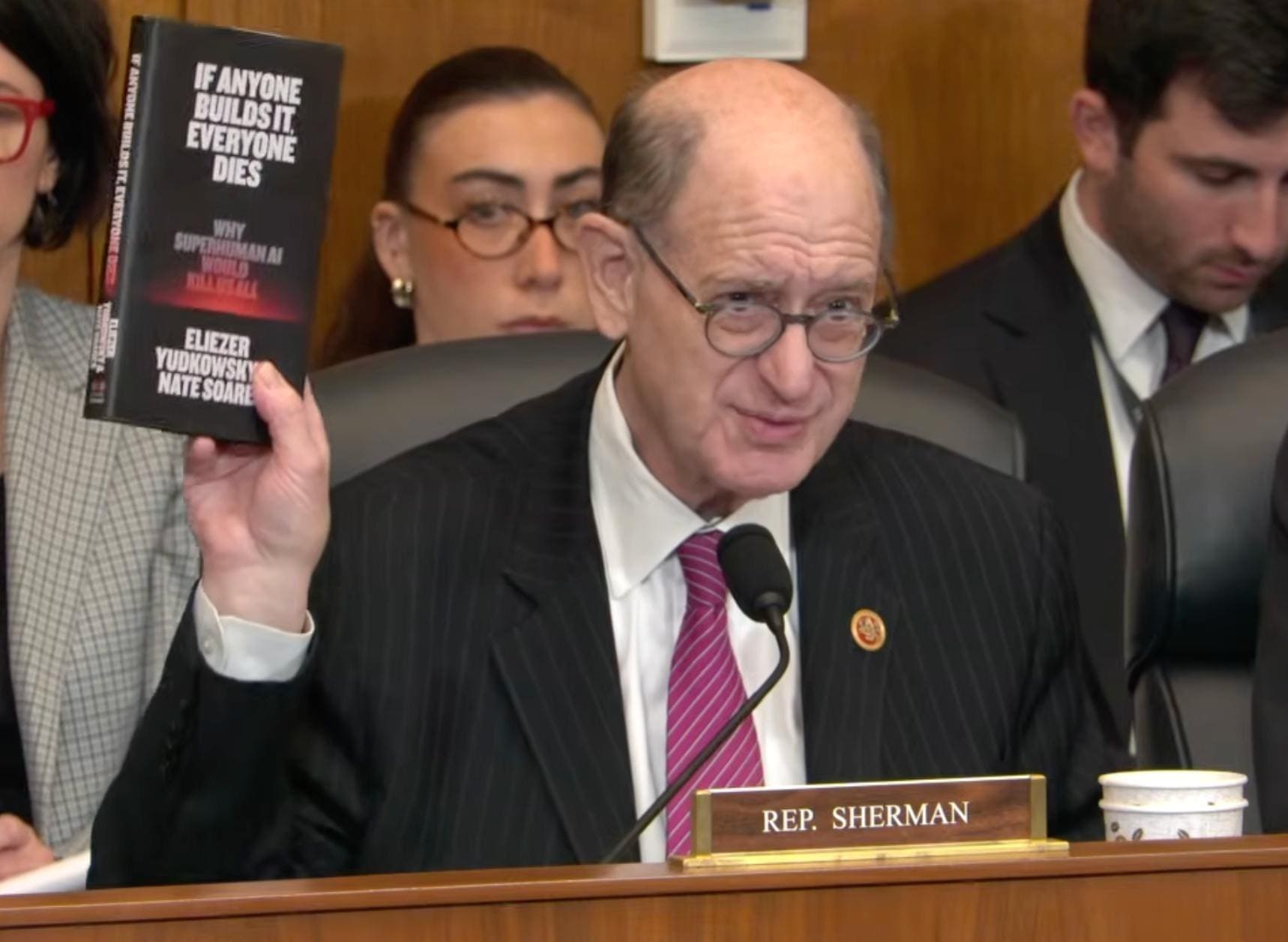
In celebration of still being alive and fighting, we are giving away 1,000 Amazon e-books of “If Anyone Builds It, Everyone Dies”. Feel free to send a copy to yourself, a loved one, or a friend—we need all hands on deck.
Today marks exactly one year since If Anyone Builds It, Everyone Dies: Why Superhuman AI Would Kill Us All, by Eliezer Yudkowsky and Nate Soare...


I don't think McMahan would find what you call a 'solution' very appealing: McMahan doesn't think that morality is demanding in the way e.g. Singer does. Further, what you suggest ought to be the default position - morality is really demanding - is something only a small percentage of philosophers (although many EAs) believe is correct.
He doesn't indicate that there is a reason to consider it unappealing. It's not a matter of whether he agrees, it's a matter of whether it's a substantive view that ought to be addressed.
The literature on moral demandingness is fairly split. The proposition that morality is demanding is different from the proposition that demandingness is not a moral problem. The majority of philosophers believe in theories which happen to not turn out to be very demanding in our current world; that does not necessarily mean that they did so because those theories are less demanding, so their views don't really diminish the viability of positing demanding moral principles in response to a new moral problem.