Comments
Disclaimer: This blog post focuses on a new piece of research from Rethink Priorities. I was not involved with the funding or execution of this research, and therefore write this piece merely as a consumer. However, I am the Executive Director of Giving Green and a board member of Rethink Priorities, and acknowledge that these affiliations may bias my...

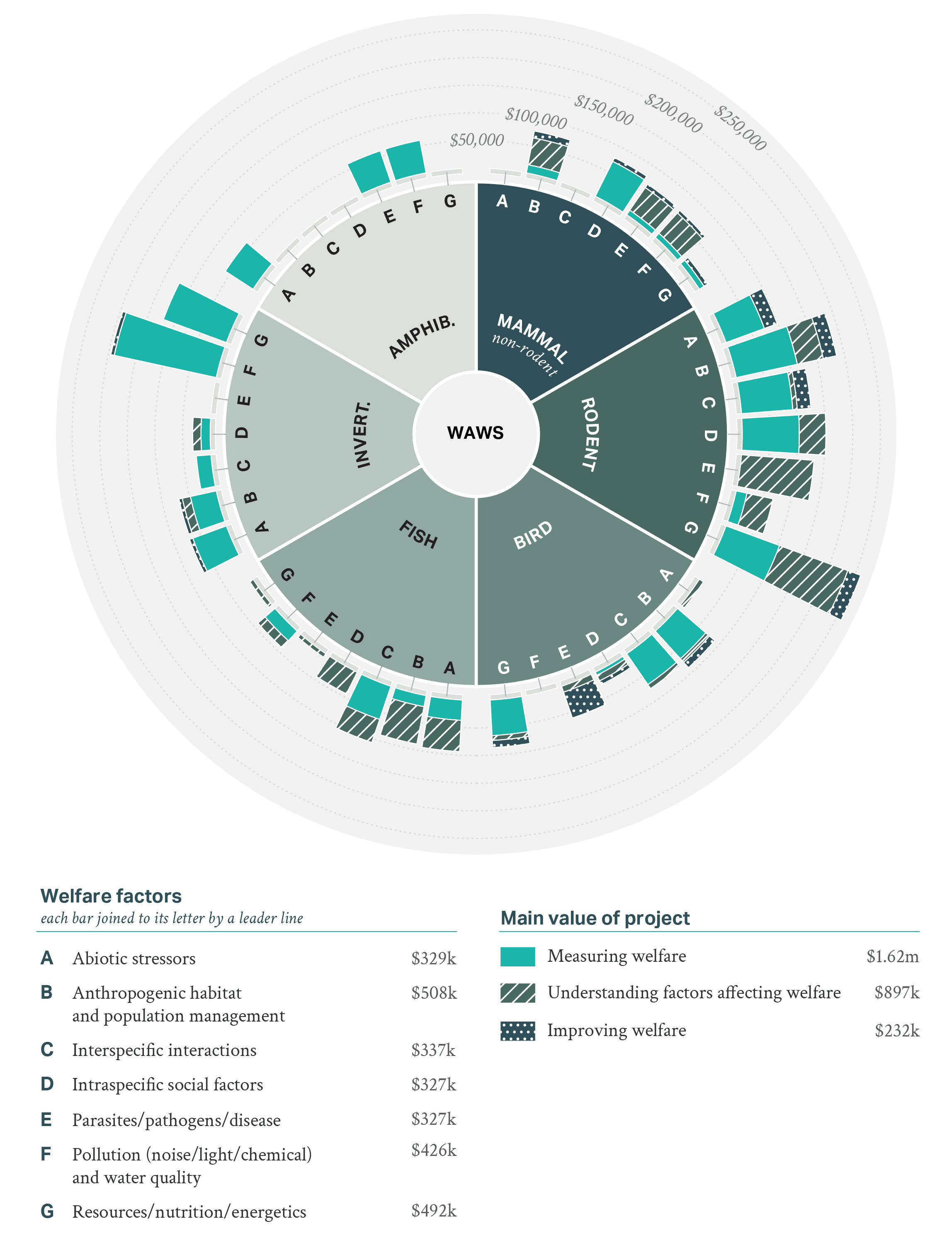
EA as a whole tends to maximize welfare (and you can see relevant discussion in the proposed definition of EA here). While suffering and well-being are possibly not simply opposites, something which I'm currently trying to understand, the analyses are arguably similar with the tools we have today. So ACE and GiveWell should be pretty safe bets.
Thinking about the long term, the Center on Long Term Risk is working with a suffering-focused ethics approach. This view can result in different cause prioritization.