Comments
How to get a job in EA (Unpractical guide to an impact-useful mindset)

TLDR: This is my 8th year as a member of the Effective Altruism community, and I thought I would share some observations on building a mindset that can help others get jobs at high-impact organizations. The tone of this post is very informal as I am mostly copying and pasting it from my blog. It's for the admins to decide if that is OK, I hope it is.
My story with working in EA-aligned organizations starts in 2018, when a friend of mine mentioned that some weird project she’d been working on in Vancouver was hiring for a position that could be a perfect fit. I applied, and it was. The project was called Charity Entrepreneurship, and I worked on its communications, outreach, and recruitment for 6 years, as well as on its rebrand to Ambitious Impact. I currently work at Rethink Priorities and the EA Animal Welfare Fund, so as you can see, I am pretty lucky to be working on amazing, impact-focused projects, and I hope this trajectory will continue.
As someone responsible for EA talent outreach for a few years, I spoke with many individuals at EAG conferences about their career trade-offs or about difficulty landing a job. In almost all cases, it was very obvious to me why some people were not succeeding and why others were. So here are a few thoughts on what I think characterizes successful applicants to high-impact projects, aside from luck (which I explain later).
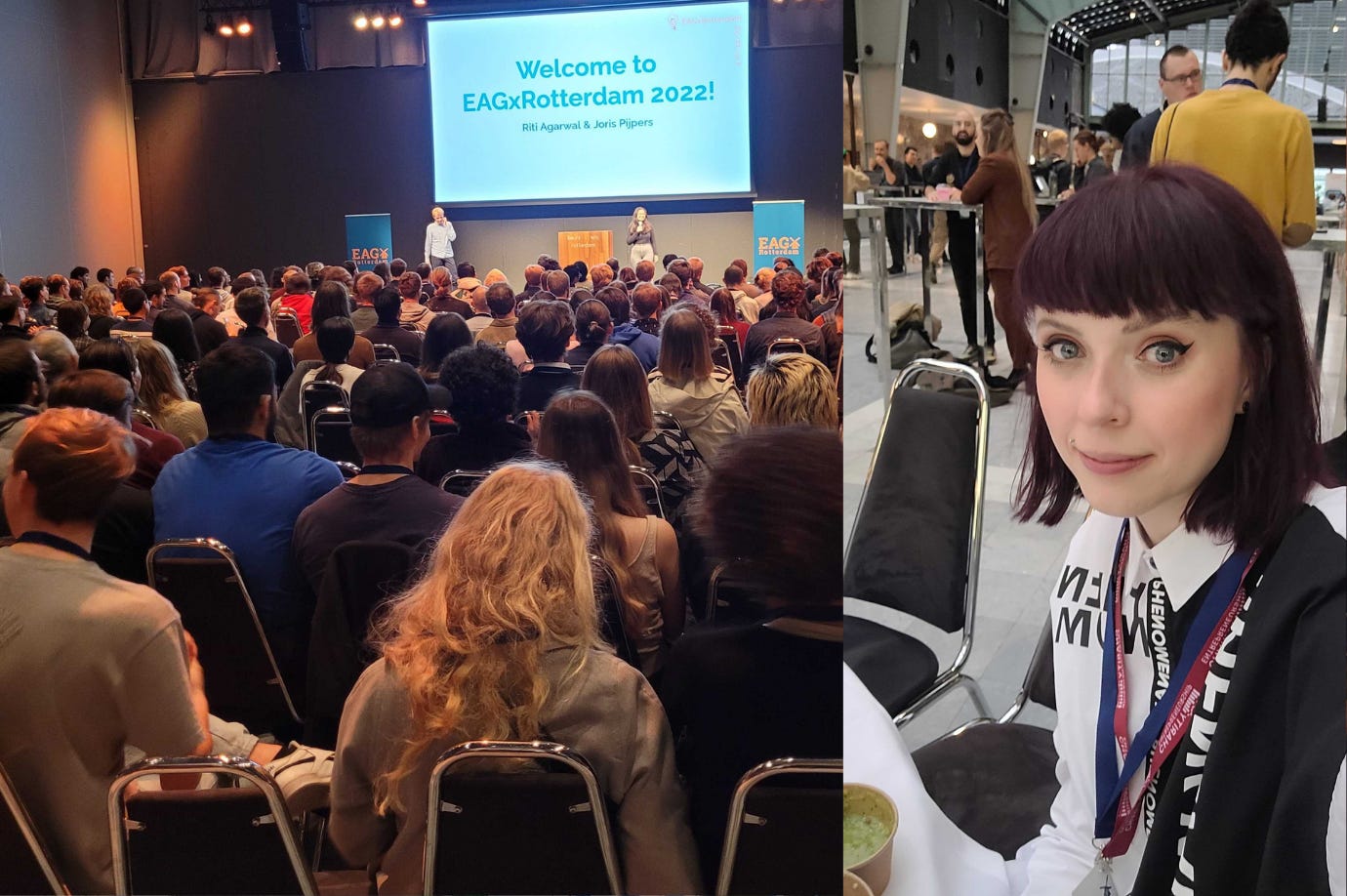
Before I got my first EA job at CE, I didn’t know almost anything about EA - the movement. There were a few things that went in my favour when applying: I had a PhD in Philosophy (but from an irrelevant Polish uni), wrote a thesis on Singer’s animal ethics (that was published as a book), and I also had a background in animal activism and experience as a Project Manager and Communications Manager in startups and nonprofits. All from Poland though, all from ineffective projects, so I was quite sure my CV would not score me that many points.
During test tasks and interviews, I could not be one of those impressive candidates who speak the jargon or know exactly what the interviewer means in every question. But I could also see that my skills in the domain I was applying to work in were adequate and, more importantly, that I was deeply aligned with the organization’s values.
What did that alignment look like in practice? I had read a lot of Singer, so the ways of thinking and the problems considered by EAs were very familiar to me. When I was younger, I organized a conference titled “How to help,” inspired by One World: The Ethics of Globalisation, that centred on the inefficiency of existing philanthropic efforts. It was in the early years of GiveWell, and I knew they were on to something. Most of all, I was already a very pragmatic thinker, disillusioned with how various philosophical theories and interventions work to help animalsand humans in practice. I valued truth and evidence, I was a skeptic by nature, and I had no problem updating my views based on good arguments or data. Philosophy studies trained me well in all of these. I could say that I was an Effective Altruist without knowing it.
I will put a risky thesis here, but I think a lot of people joining the community don’t know how to think in an impact-focused way. What do I mean?
I’d say it took me 3 years from zero (sitting quietly around EAs, talking their EA stuff) to being able to talk to any EA about any topic confidently. This is not a requirement for getting a job, by the way, but it’s the time it took me to truly uncover my biases, update on the latest developments, and compare various philosophical arguments, to arrive at some kind of sustainable vision of how to judge what is most impactful to do. I think that if we make an effort to train ourselves in impact-focused thinking, we will gain a 20% advantage in getting a nice job in EA, at least in organizations that care about being cost-effective and driving measurable results.
I was surprised by how many people I met at EAGs were extremely inflexible about the work they wanted to do. I am a philosopher by training, yet I work in communications. I have zero education connected to this job. I learned everything I know by doing and by being flexible about the many tasks thrown at me. I once even made a graphic of the various things I was responsible for in my old job at Ambitious Impact (Charity Entrepreneurship). Here it is:
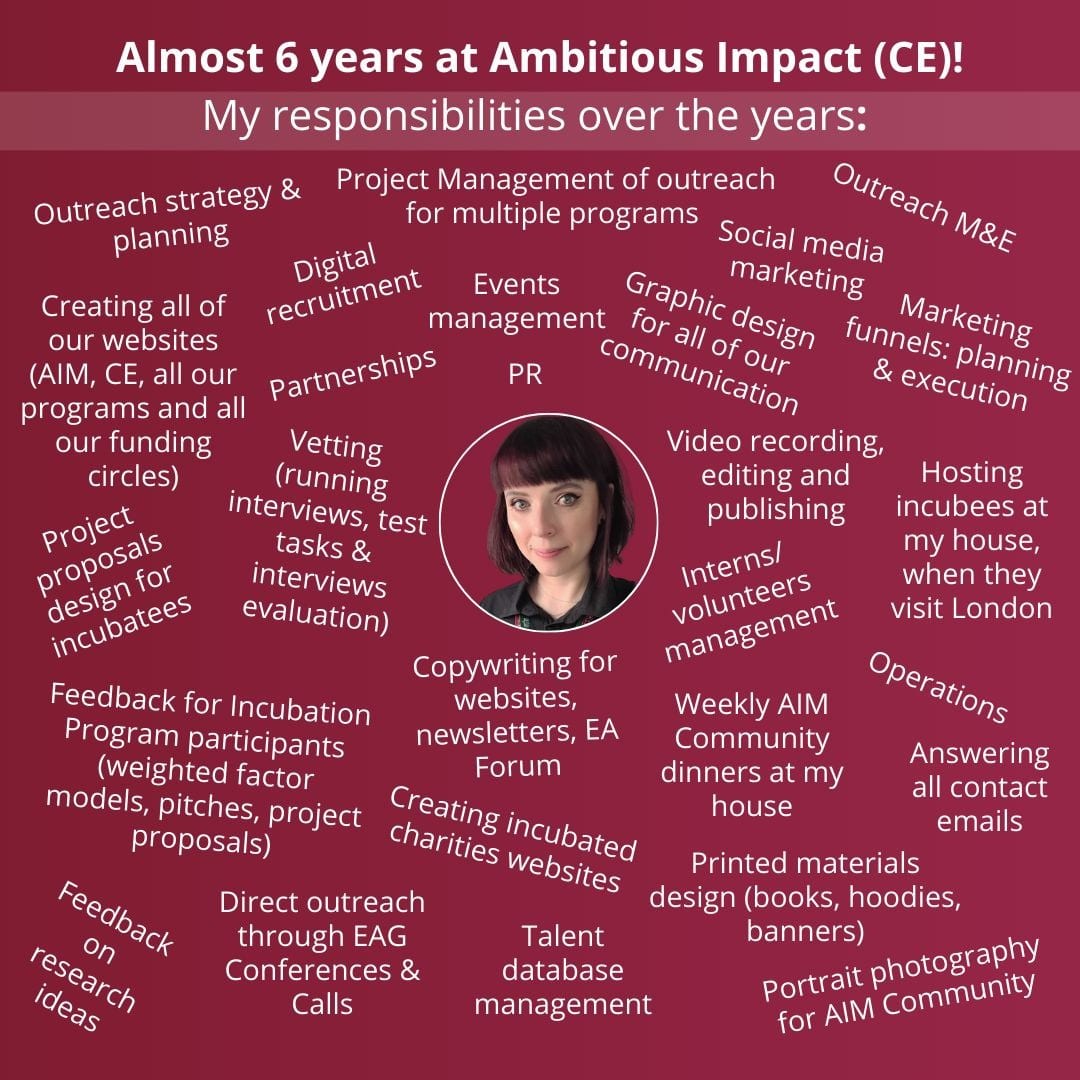
I feel like the notion of doing exactly what you studied is very old-school. As an EA, we should probably care about impact enough to flex at least a little. That might mean starting from a lower position than we’d normally want to take. Or doing something more general than our particular specialization. If, e.g., you’re good at finance, maybe you could do operations. If you’re good at philosophy, maybe you could do animal welfare research. EA organizations often design recruitment processes in a way that helps us verify whether we actually have the required skills, even if we don’t have all the right points on our CV. So the door is more open than we might think.
Inflexible people are quite hard to engage with while doing outreach. They have very specific requirements for a job, and instead of spending 3 to 6 months learning something new and flexing to where they could bring the most value in the movement, they would spend a year or more chasing the perfect role. I understand that in some rare, specialised cases it may make sense, but for me, it quite often felt like 12 months lost when they could have been providing value and helping us create more impact sooner. I also think being flexible and not being above any tasks or requests goes a long way with your employer.
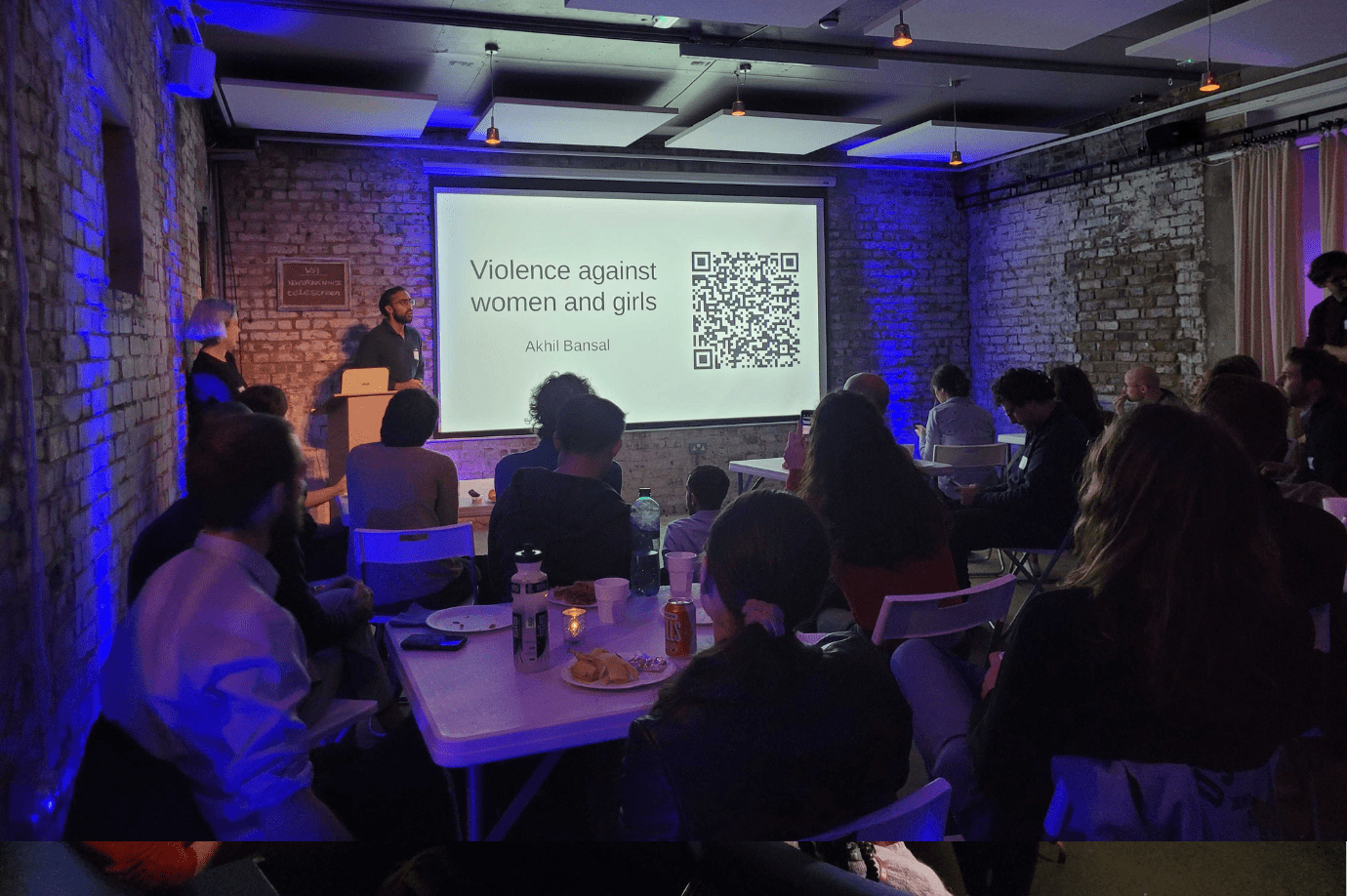
Many people focus on attending conferences and networking to improve their chances of getting jobs in the future. This is a good strategy. But there is one more thing we can stack on top of it: making ourselves useful.
Volunteering, skilled internships, reaching out to charities or individuals, and offering your skills will go a long, long way. I remember that three people who got into the first Incubation Program were previously interns at CE. They volunteered their time to help the organization, learned something new, and met other like-minded people.
There are also ways to be useful that don’t require a formal position. One can conduct independent research and publish it on the EA Forum or Substack. One can propose solutions to observed problems. We can share skills via a presentation or workshop. We are missing a lot of communication material in EA: podcasts, YouTube channels, TikToks, Reels, and stories. We need so much more recognition through opinion pieces in the media or talks at universities.
Some people worry they need more “real-world” experience before joining EA, and there’s something to that, especially for more specialized positions. The movement has a genuine shortage of senior people with deep experience in project management, people management, and other skills that are hard to learn quickly. My years in startups and academia before EA were genuinely helpful. On the other hand, people straight from university can also start very successful organizations. Those who did were probably not sitting around waiting for a perfect career opportunity to come along, though. They ran societies, did internships, led individual projects, and volunteered early in their careers.
When I think about it, I was the same way. I always took part in any available projects at high school: collecting food for people in need, organizing screenings of videos about animal suffering, writing for the school newspaper, doing theatrical shows, fundraising for a music contest, and organizing the school disco. I always tried to be useful, to initiate, and to find something cool to do with my time. And when I look at my friends who now have great jobs, they share very similar traits.
I want to end on something important that people often overlook. Job ads are very broad, but employers are usually looking for a very specific profile. E.g., if you saw that some types of individuals disproportionately succeeded at launching high-impact charities, you would try to identify their key characteristic and design the recruitment process to maximise for them. So, despite the various statements in job ads, most employers are looking for someone who will close very specific gaps, fit a very specific culture, and be quite value-aligned.
What does this mean? Well, it means it truly isn’t about you or me. It’s not that our skills aren’t great or that our interviews were bad. It’s about people in the pool who did these things differently (maybe better), and therefore fit the organizational needs much more than we do. So even though your CV might be much more impressive, someone else can have a much better fit for that particular job.
That is why I never take any failed applications as my own failures. I, of course, always ask for feedback, but mostly I focus on “I was clearly not a good fit for that position.” We always have things to learn, but I tell you, I got to the very end of the recruitment process at 3 top EA organizations, while others rejected my application without even sending me a test task. I would be recommended for Director roles in some, but dropped mid-stage in others. I absolutely don’t mind that. When I am the right fit, I move to the last stages. If not, then not. Sorry recruiters, but it’s never about “the best candidate”, it’s about the best fit.
Landing an amazing job is mostly a matter of luck in fitting into the mold the recruiting organization has prepared for us. Luckily, there are many, many organizations, and they all have different molds.
To sum up, we all need to do our due diligence before working in EA. Get really focused on impact; ensure our values are in a good place (we understand where they’re coming from and can back them up with sound reasoning). We need to flex a little in terms of our plans and skills, and, overall, try to be useful. I think this kind of guarantees we will probably fit into one of these job molds. And probably more than one.
One note: Everything I share here reflects my own views, not those of my employers.
I also wrote about Common threats to universal ethics and not having imposter syndrome, so feel free to check those as well.