Observatorio de Riesgos Catastróficos Globales (ORCG) is a scientific diplomacy organization that emerged in February 2023 to formulate governance proposals that allow the comprehensive management of different global risks in Spanish-speaking countries. We connect decision-makers with experts to achieve our mission, producing evidence-based publications. In this context, we have worked on several projects on advanced artificial intelligence risks, biological risks, and food risks such as nuclear winter.
Since its inception, the organization has accumulated valuable experience and generated extensive production. This includes four reports, one produced in collaboration with the Alliance to Feed the Earth in Disasters (ALLFED). In addition, we have produced four academic articles, three of which have been accepted for publication in specialized journals. We have also created three policy recommendations and/or working documents and four notes in collaboration with institutions such as the Simon Institute for Long-term Governance. In addition, the organization has developed abundant informative material, such as web articles, videos, conferences, and infographics.
During these nine months of activity, the Observatory has established relationships with actors in Spanish-speaking countries, especially highlighting the collaboration with the regional cooperation spaces of the United Nations Office for Disaster Risk Reduction (UNDRR) and the Economic Commission for Latin America and the Caribbean (ECLAC), as well as with risk management offices at the national level. In this context, we have supported the formulation of Argentina's National Plan for Disaster Risk Reduction 2024-2030. Our contribution stands out with a specific chapter on extreme food catastrophes, which was incorporated into the work manual of the Information and Risk Scenarios Commission (Technical Commission No. 7).
We invite you to send any questions and/or requests to [email protected]. You can contribute to the mitigation of Global Catastrophic Risks by donating.
Resilient food solutions to avoid mass starvation during a nuclear winter in Argentina, REDER Journal, Accepted, pending publication.
Systematic review of taxonomies of risks associated with artificial intelligence, Analecta Política Journal, Accepted, pending publication.
The EU AI Act: A pioneering effort to regulate frontier AI?, Journal IberamIA, Accepted, pending publication.
Operationalizing AI Global Governance Democratization, submitted to call for papers of Office of the Envoy of the Secretary General for Technology, Non-public document.
TL;DR
* GOAL 3 is a social enterprise that created IMPALA, a patient monitoring and digital platform system for low-resource settings. There is also a GOAL 3 foundation that raises funds to ensure underserved communities will be reached.
* A recently completed report from Rethink Priorities calculated IMPALA to have a cost per DALY averted of $7–17 in paediatr...
This month effective altruism has gotten lots of attention, including a cover story in The Economist. It feels pretty surreal to be on the receiving end of it. But I feel grateful these ideas have caught on, and even more grateful for the drive, earnestness, and compassion of so many people who took strange but well-argued ideas seriously and then actually acted on them....
Impressions from the 21st Annual U.S. Cluster Headache Patient Conference, organized by Clusterbusters.
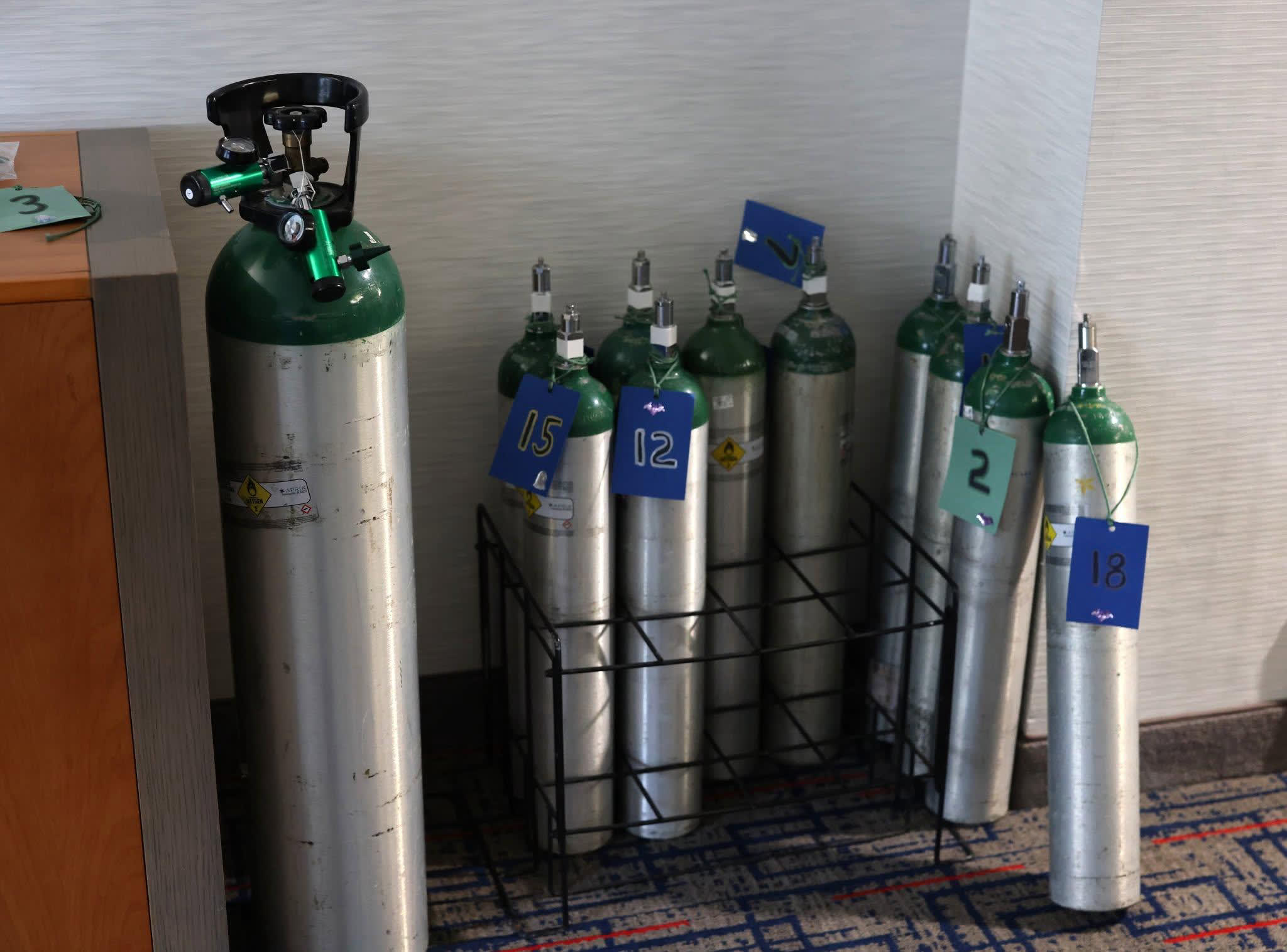
On the morning of the last day of the conference, E. was hanging out with other “clusterheads” outside the conference hotel when he started having a cluster headache attack. Before he could go back to his hotel room, J. offered E. his DMT v...