Comments
Thanks for sharing this!
I think this quote from Piper is worth highlighting:
(...) if the shift to longtermism meant that effective altruists would stop helping the people of the present, and would instead put all their money and energy into projects meant to help the distant future, it would be doing an obvious and immediate harm. That would make it hard to be sure EA was a good thing overall, even to someone like me who shares its key assumptions.
I broadly agree with this, except I think the first "if" should be replaced with "insofar as." Even as someone who works full-time on existential risk reduction, it seems very clear to me that longtermism is causing this obvious and immediate harm; the question is whether that harm is outweighed by the value of pursuing longtermist priorities.
GiveWell growth is entirely compatible with the fact that directing resources toward longtermist priorities means not directing them toward present challenges. Thus, I think the following claim by Piper is unlikely to be true:
My main takeaway from the GiveWell chart is that it’s a mistake to believe that global health and development charities have to fight with AI and biosecurity charities for limited resources.
To make that claim, you have to speculate about the counterfactual situation where effective altruism didn't include a focus on longtermism. E.g., you can ask:
- Would major donors still be using the principles of effective altruism for their philanthropy?
- Would support for GiveWell charities have been even greater in that world?
- Would even more people have been dedicating their careers to pressing current challenges like global development and animal suffering?
My guess is that the answer to all three is "yes", though of course I could be wrong and I'd be open to hear arguments to the contrary. In particular, I'd love to see evidence for the idea of a 'symbiotic' or synergistic relationship. What are the reasons to think that the focus on longtermism has been helpful for more near-term causes? E.g., does longtermism help bring people on board with Giving What We Can who otherwise wouldn't have been? I'm sure that's the case for some people, but how many? I'm genuinely curious here!
To be clear, it's plausible that longtermism is extremely good for the world all-things-considered and that longtermism can coexist with other effective altruism causes.
But it's very clear that focusing on longtermism trades off against focusing on other present challenges, and it's critical to be transparent about that. As Piper says, "prioritization of causes is at the heart of the [effective altruism] movement."

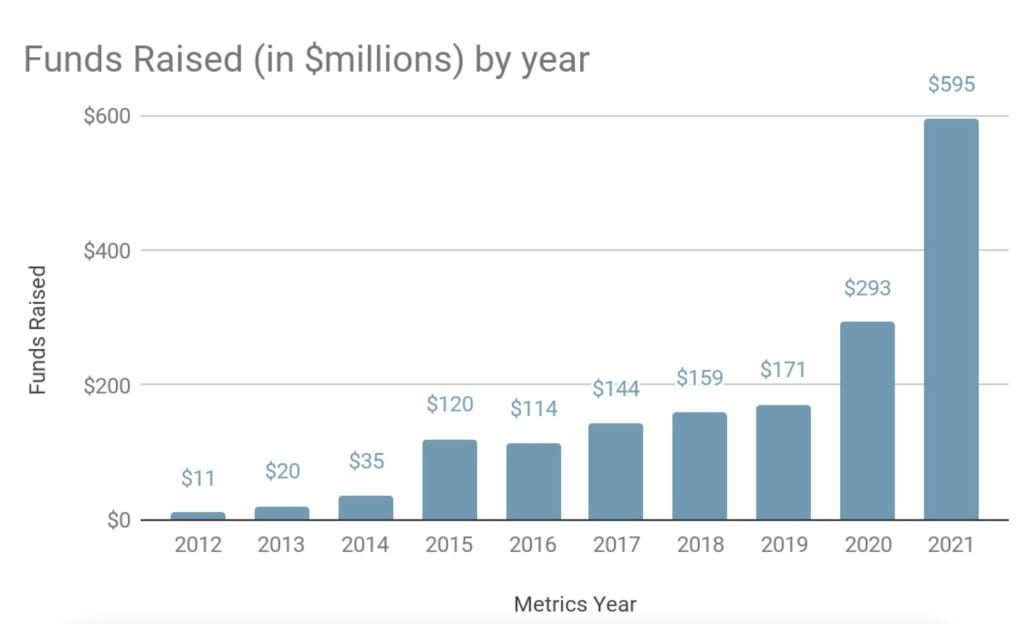



I agree that increased interest in longtermism hasn't caused EA as a whole to decrease funding to other causes in practice. But I don't think that this is in itself good. As the article acknowledges, prioritising between causes is an essential part of doing EA.
So if, all things considered, we thought that dropping all work helping present generations to exclusively prioritise future generations would lead to better outcomes, I think we should be willing to do that.
I particularly disagree with this quote from the article:
Someone could equally well argue that prioritising bednets or animal advocacy over helping local homeless people would be bad because it is an obvious and immediate harm, but I think that they would be making an important mistake.
Of course, there may be instrumental reasons to keep prioritising global health and wellbeing projects. For example, you might think that:
I would have preferred for the article to argue more directly for some of these as the actual reason that it's good EA has not deprioritised global health and development.
Ah jtm has written a comment mentioning some similar points before I refreshed the page!