Comments
58
...

Global cement manufacturing is responsible for about 8% of the world's total CO2 emissions.[1] (Cement is the main ingredient in concrete, and cement is very rarely used on its own in construction, which means that for the purposes of the back-of-the-envelope calculation below, I will consider that cement and concrete are basically the same thing, even though strictly speaking cement is a sub component of concrete).
Despite alternatives existing, as of 2023, low-carbon cement materials accounted for approximately 3% of global total cement production (i.e. a negligible amount).[2]
After a quick internet search, I found that green concrete reduces CO2 emissions by up to 30–80% compared to conventional concrete. It does so by replacing carbon-intensive Portland cement with industrial waste products like fly ash, slag, or silica fume.[3] The range is large because it depends on how many things you do to reduce emissions from a list of all possible interventions.
From these numbers it looks like making green concrete the norm in construction worldwide would mean cutting out anything between 2.4-7.4% of worldwide CO2 emissions. That's not nothing!
Not only is green concrete much environmentally friendlier, it's also similar in strength / in many cases even stronger than conventional concrete.[4]
It seems like the world is moving in that direction anyway, but things that are slowing down adoption are:
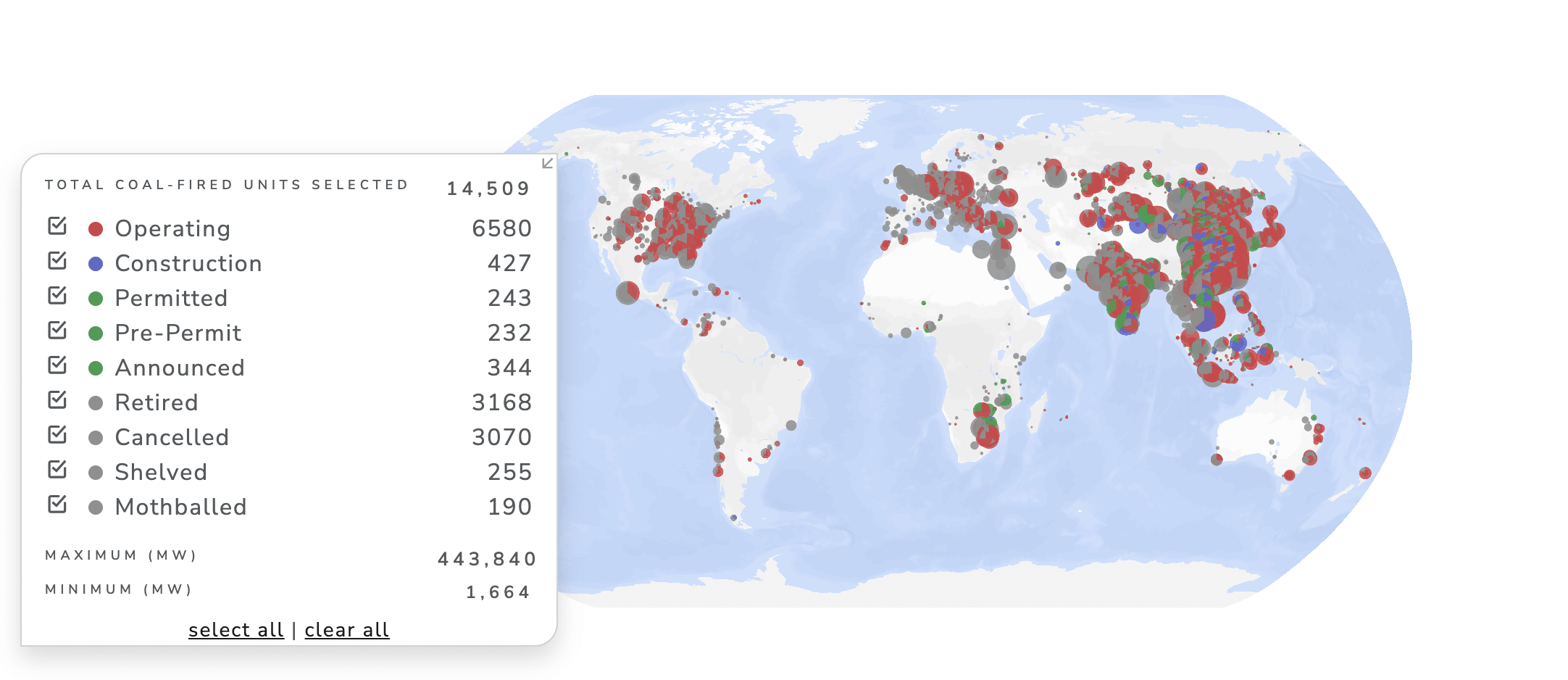
Curious as to how 'attractive' this problem is to the EA community...
World Economic Forum. https://www.weforum.org/stories/2024/09/cement-production-sustainable-concrete-co2-emissions/#:~:text=Global%20cement%20manufacturing%20is%20responsible,Image:%20Statista
https://cleantech.com/record-371-9m-raised-for-low-carbon-cement-in-2024-but-20b-needed-by-2030/#:~:text=It's%20no%20coincidence%20that%20metropolitan,to%20the%20International%20Energy%20Agency.
https://www.lapssethorizon.com/green-cement-for-concrete/#:~:text=It%20is%20also%20important%20to,carbon%20footprint%20of%20green%20concrete.
Some companies even claim their concrete is carbon negative https://partanna.com/news-hub/what-is-carbon-negative-concrete
https://www.bbc.co.uk/news/business-56716859#:~:text=That%20means%20it%20accounts%20for,EPFL
https://carbonherald.com/how-is-green-cement-better-than-regular-cement/
https://globalenergymonitor.org/projects/global-coal-plant-tracker/tracker/
https://www.elliottwood.co.uk/latest/green-cement-the-uncomfortable-truth
https://www.carbonbrief.org/mapped-worlds-coal-power-plants/
Thinking of what LEEP did with supporting governments to adopt regulations banning the use of lead in paint.
