Comments
Help Allied Scholars reach millions of students

TL;DR: For the first time, we at Allied Scholars for Animal Protection (ASAP) are creating a systematic and unified infrastructure for the animal advocacy movement at universities across the US and beyond. Our mission is to unite, educate and empower students who are passionate about ending animal exploitation and driving systemic change. We urgently need support to sustain our efforts and expand to more universities.
Link: Our Donation Page
Our goal: Drive systemic change by investing in and training future generations of leaders such as funders, policy-makers, lawyers, physicians, alternative protein scientists, and CEOs. We want to make more people like Bruce Friedrich, Mayor Adams, Cory Booker, and other influential vegans.
The problem: The animal advocacy movement is not investing in the next generation of influential vegans – there is no cohesive and orchestrated effort in universities. Many influential vegans whom we surveyed for a forthcoming report said that they initially became active in college, and that currently the infrastructure does not exist to support and inspire students in the same way.
Why support us: A donation to ASAP is an investment in the movement. Our work is meant to produce more funders and influential leaders who will accelerate a transition to an animal free food system.
We have already seen ASAP students graduate and pursue impactful positions or become donors to the movement. There is talent and potential in universities that currently is not harnessed. With your support, we can fix this!
We conducted a study and found that the existing campus advocacy scene is siloed and fragmented, lacking crucial support and resources. This leads to wasted effort and missed opportunities: every year, thousands of mission-aligned students complete college without having meaningfully engaged with the animal rights movement or explored relevant career paths.
Our approach is modeled on influential organizations like the Federalist Society, using student organizing to ultimately build influence across major public institutions and economic sectors. Led by Dr. Faraz Harsini and a diverse team of experts, ASAP brings together a wealth of experience in healthcare, business, policy, and education.
Currently we have chapters in the following universities: Brown, Columbia, Cornell, Harvard, MIT, Ohio State, Sam Houston State, Texas A&M, the University of North Texas, UT Austin, and UW Madison. This semester, our chapters reached thousands of students through their outreach and educational events.
This post is our contribution to Marginal Funding Week.
ASAP regularly receives requests from students across the United States to establish new chapters. We’ve had to turn down requests, because we don’t have the resources for expansion. Our primary use of additional funds would be to expand more rapidly towards our goal of 100 chapters within 5 years.
Here are a few rough scenarios for how we would use marginal funds:
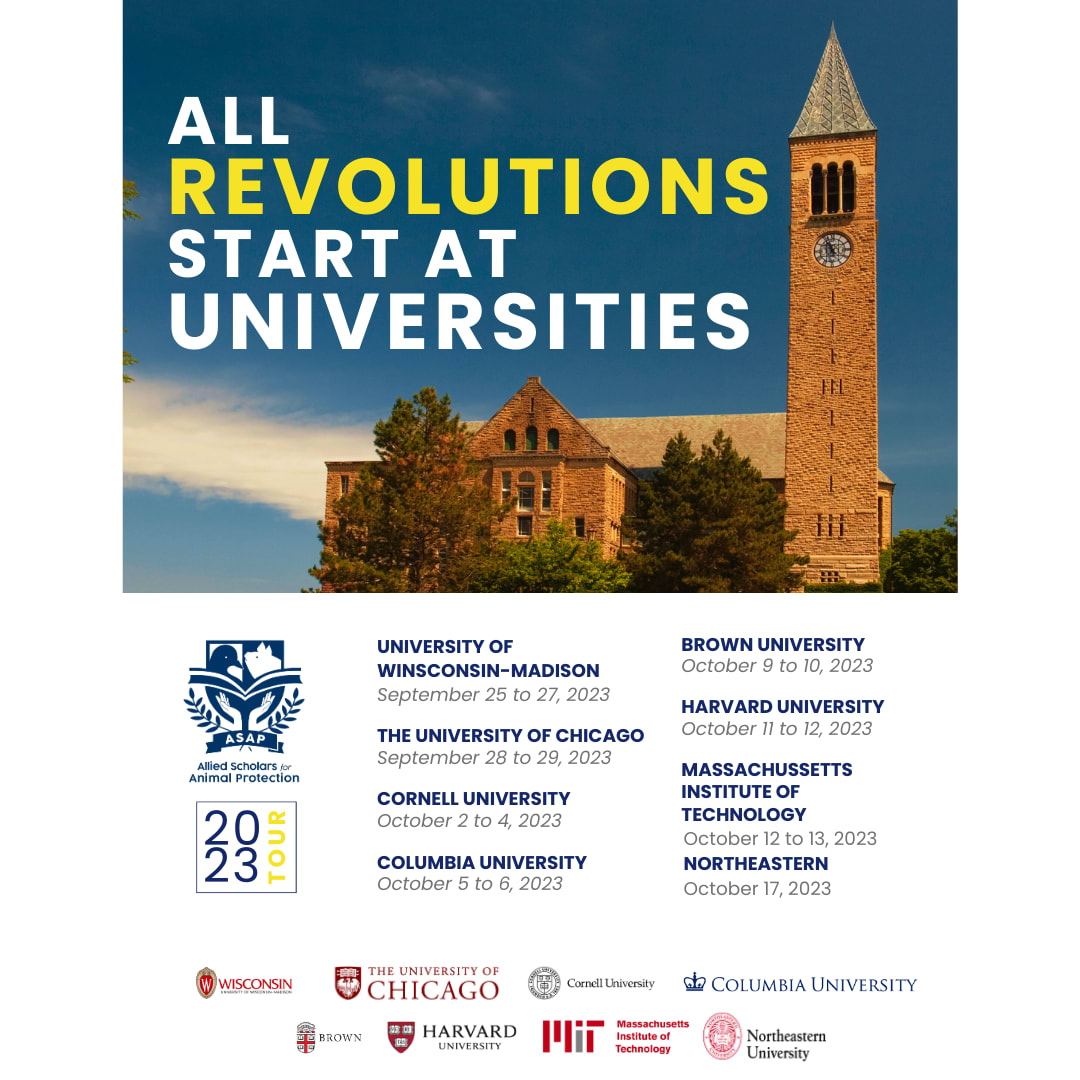
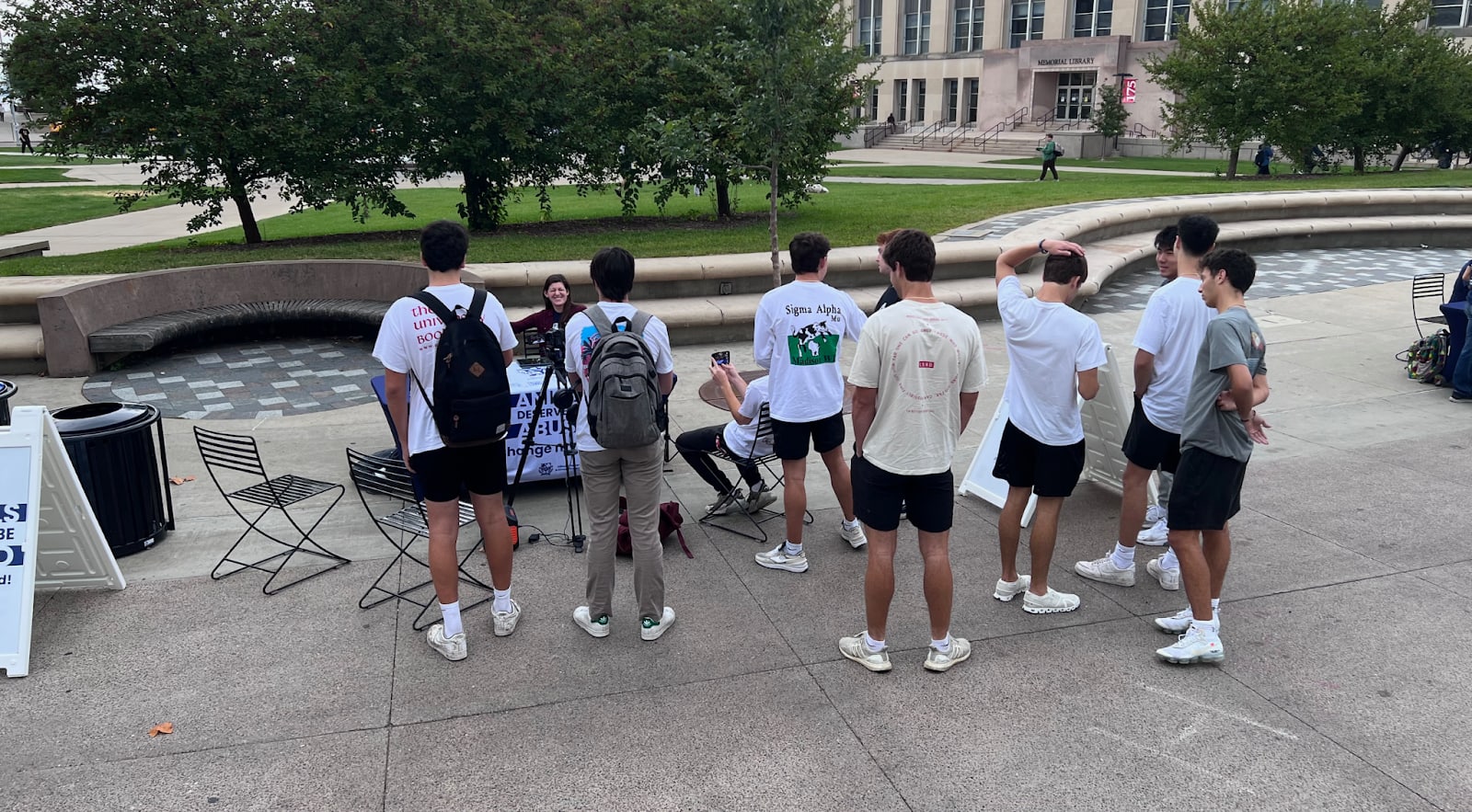
As the semester comes to a close, we think this is a good time to provide a brief overview of what our chapters have been working on.
b. Columbia University
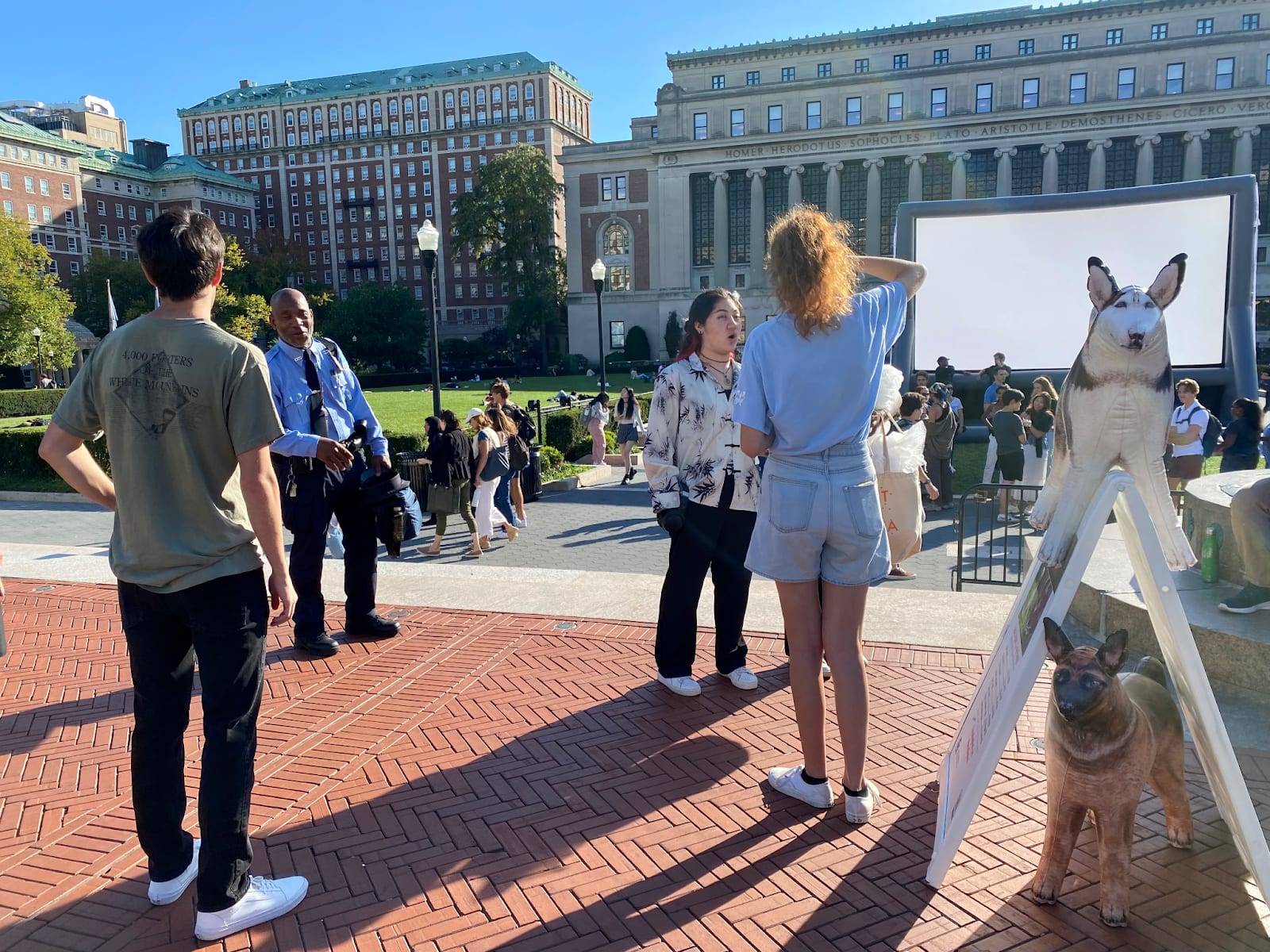
c. Cornell University
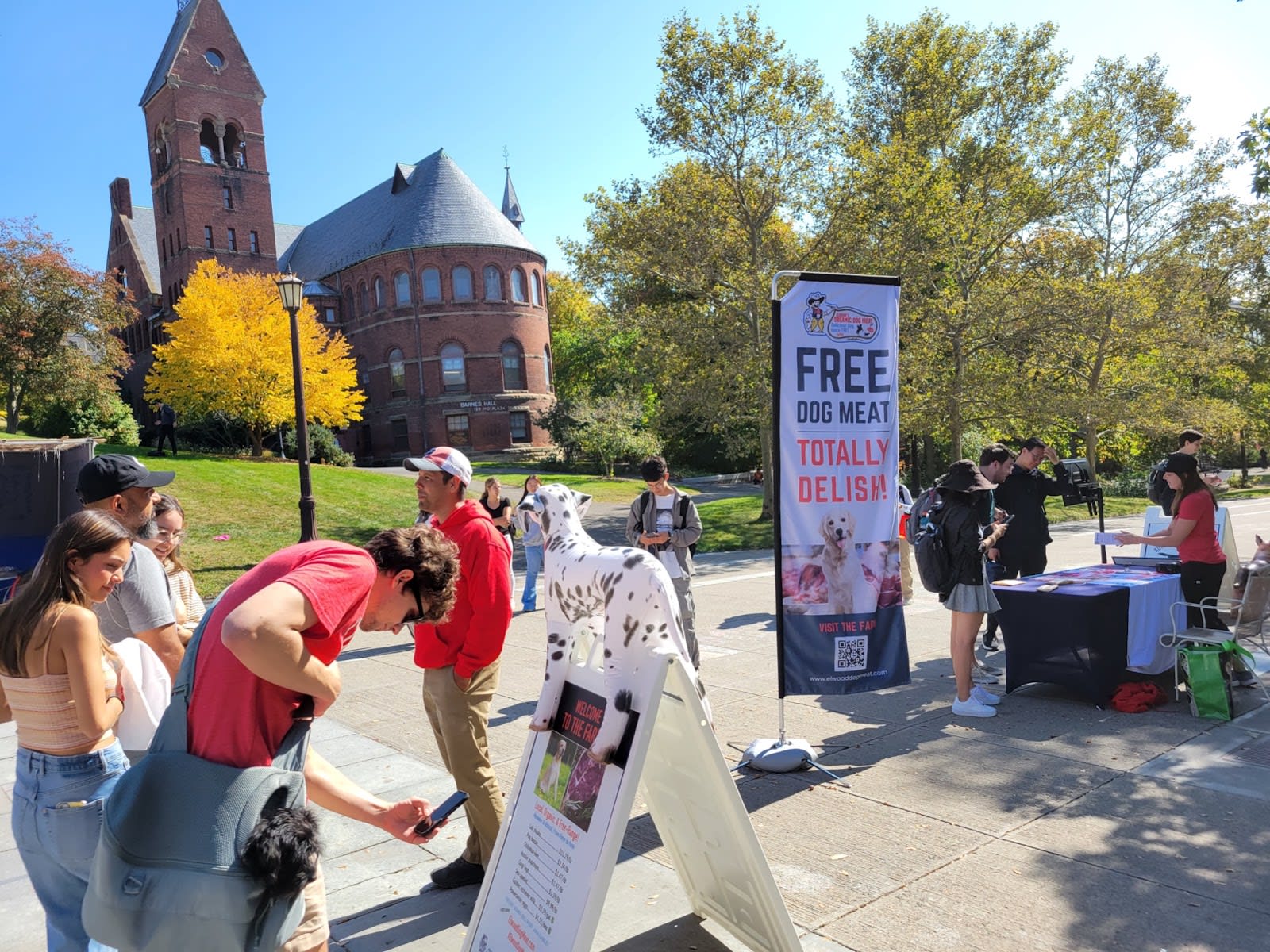
d. Harvard University
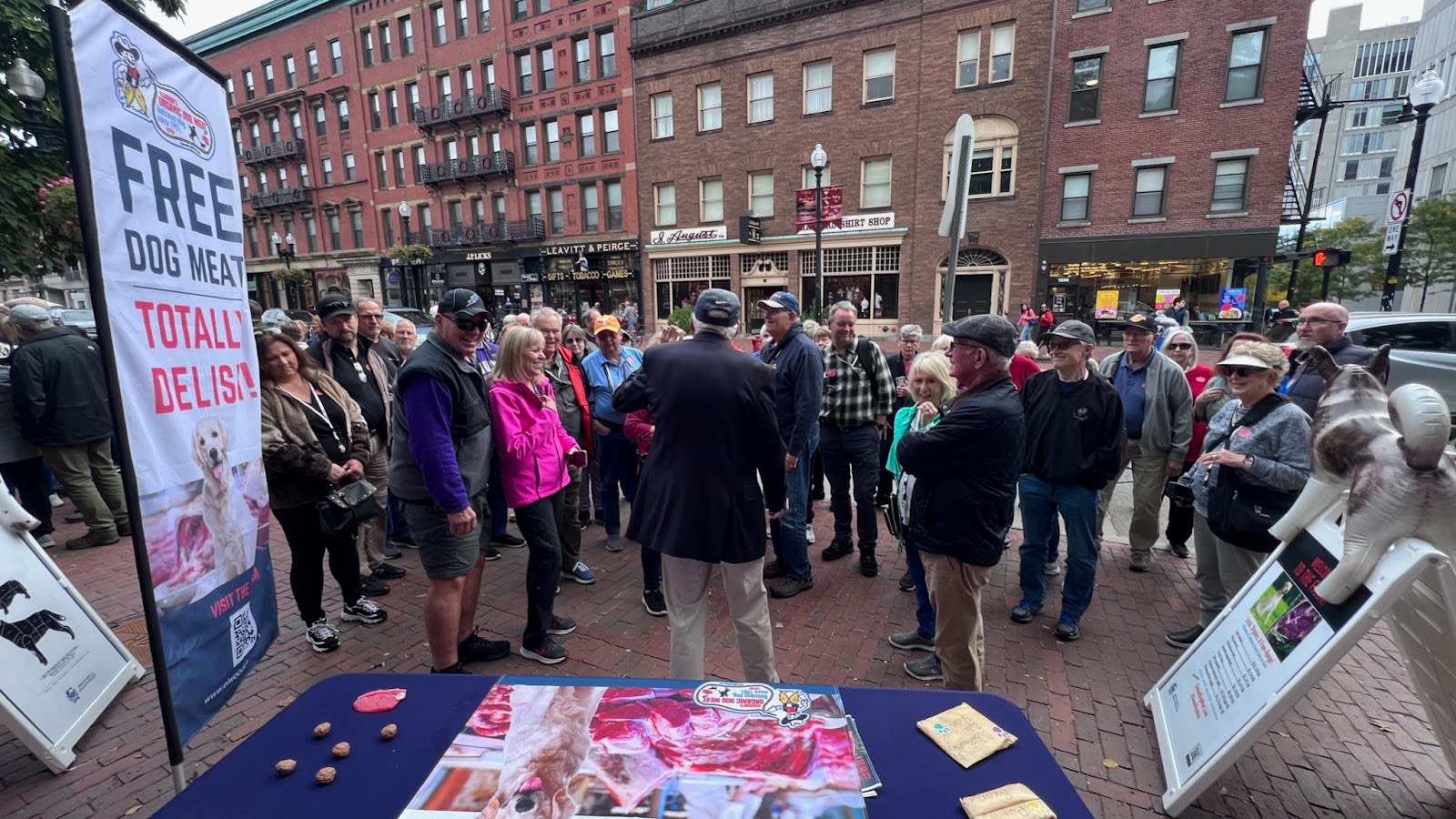
e. Massachusetts Institute of Technology
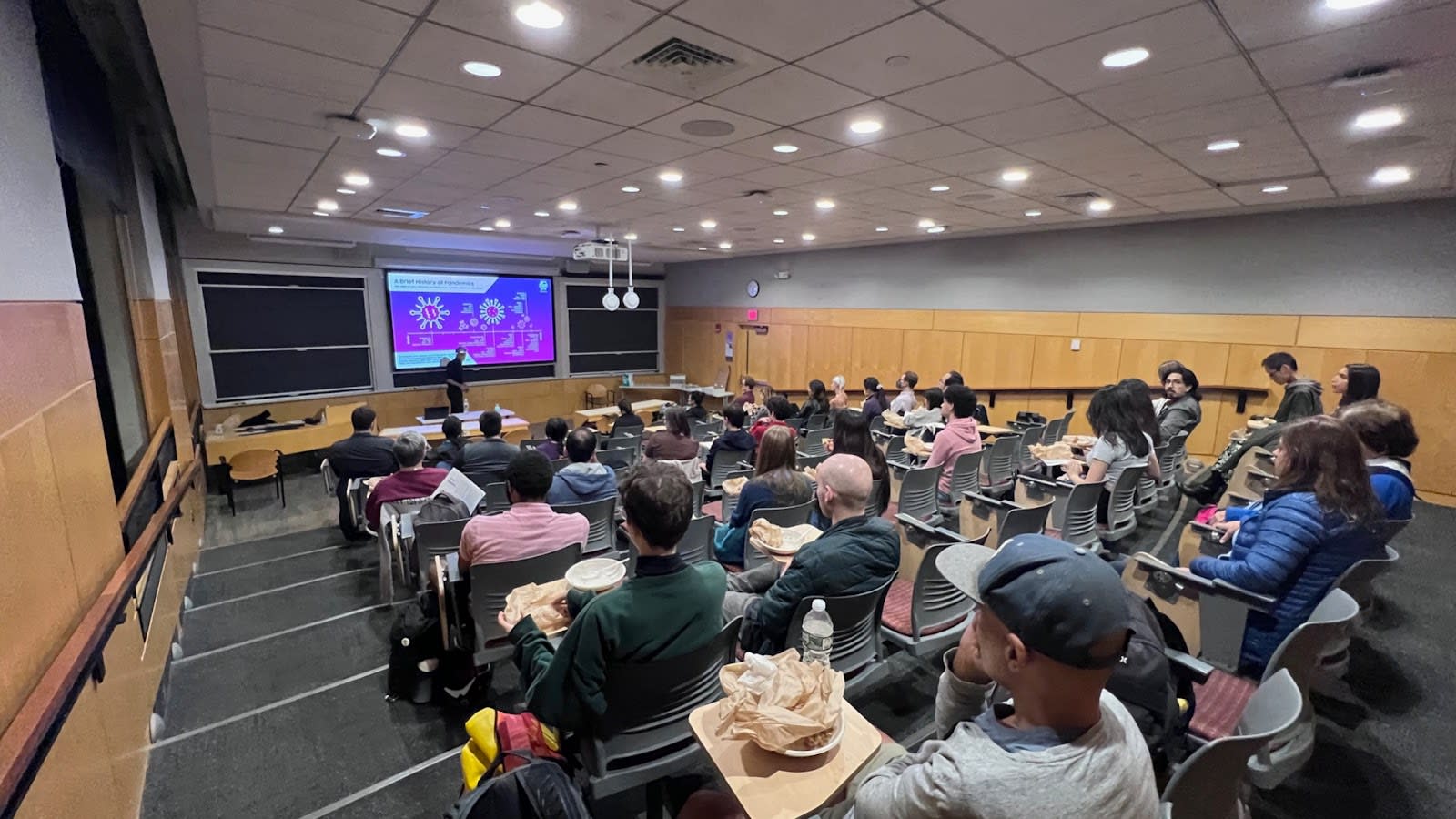
f. Ohio State University
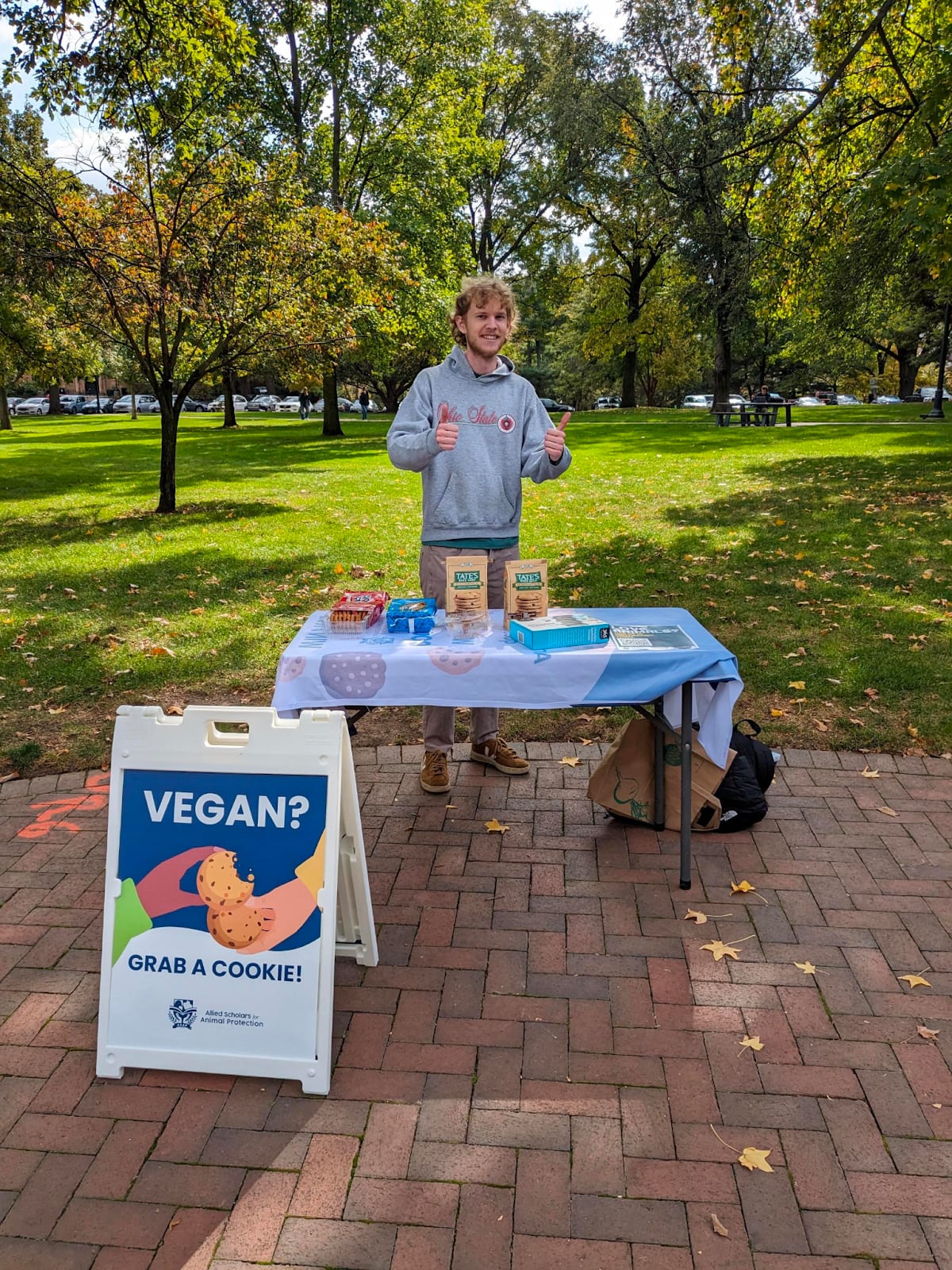
g. Sam Houston State University
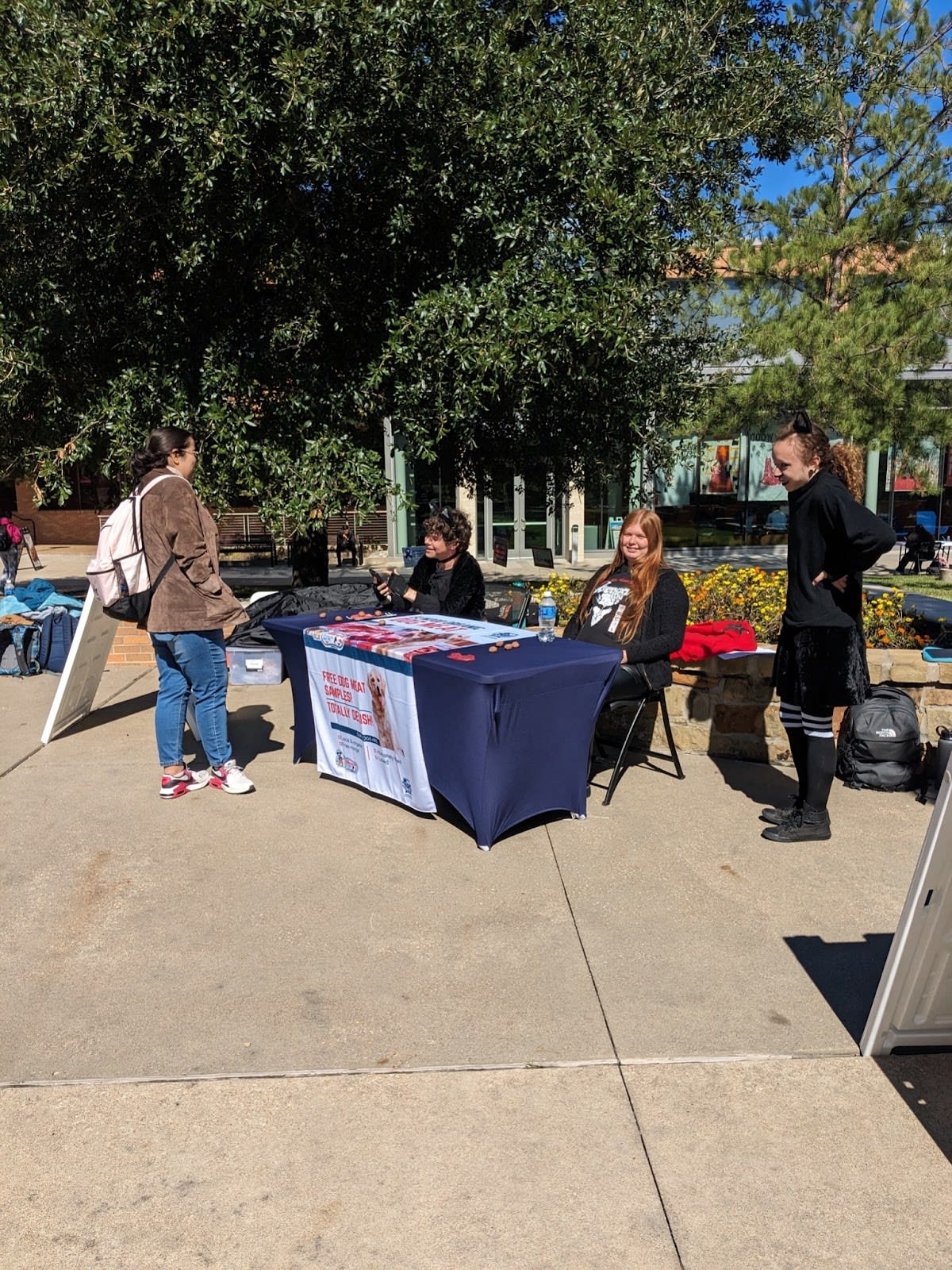
h. Texas A&M University
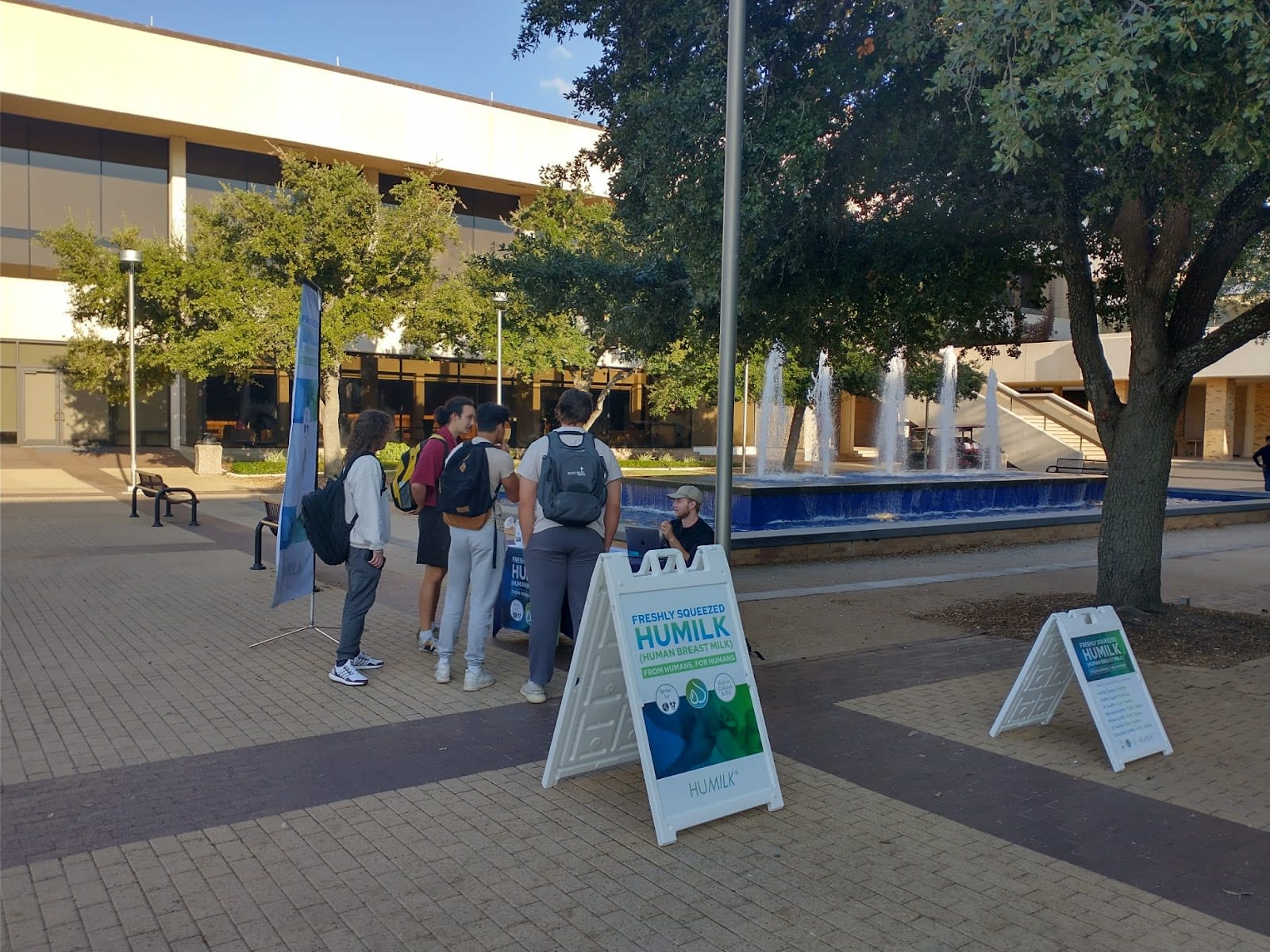
i. University of North Texas
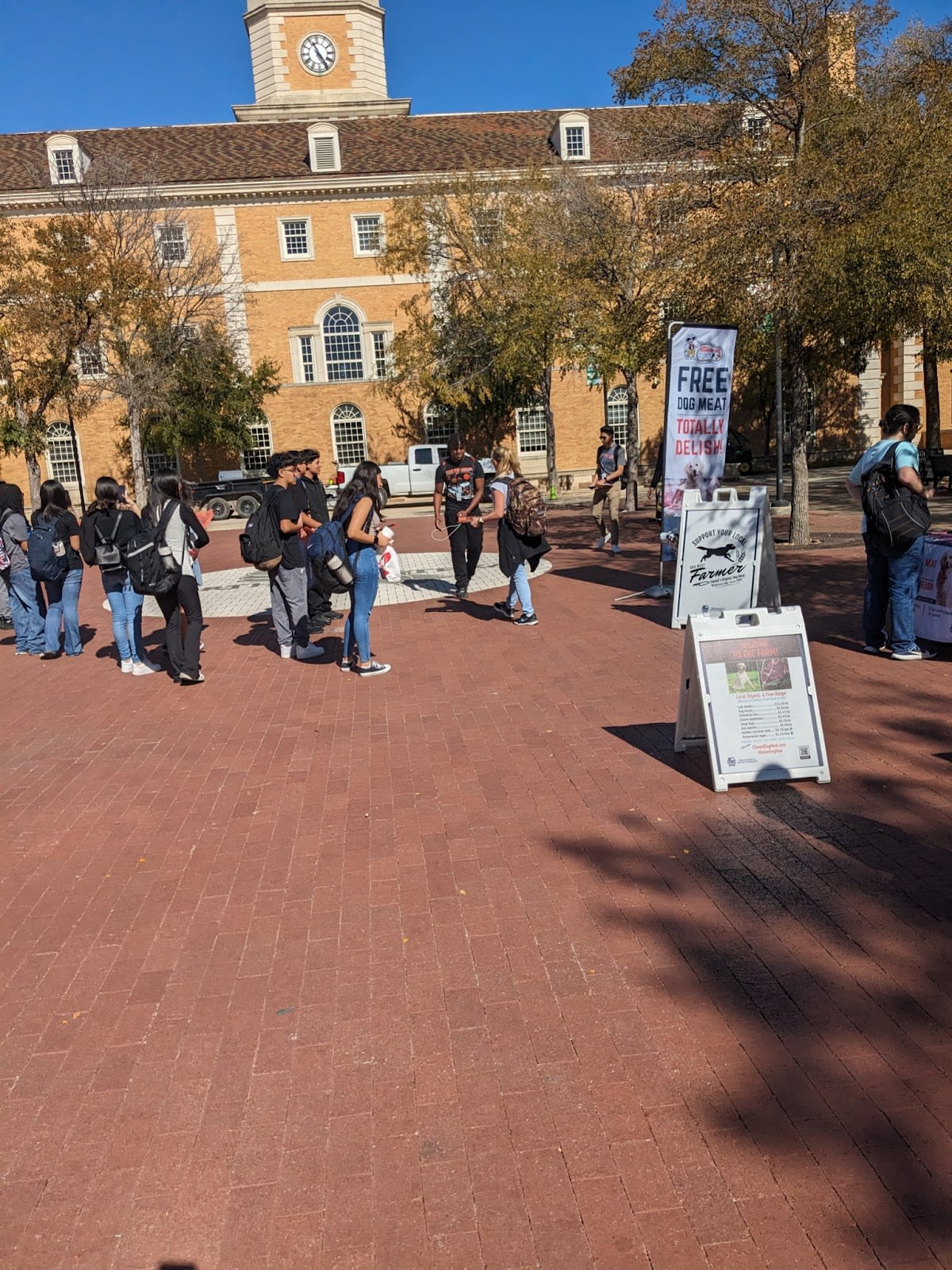
j. UT Austin
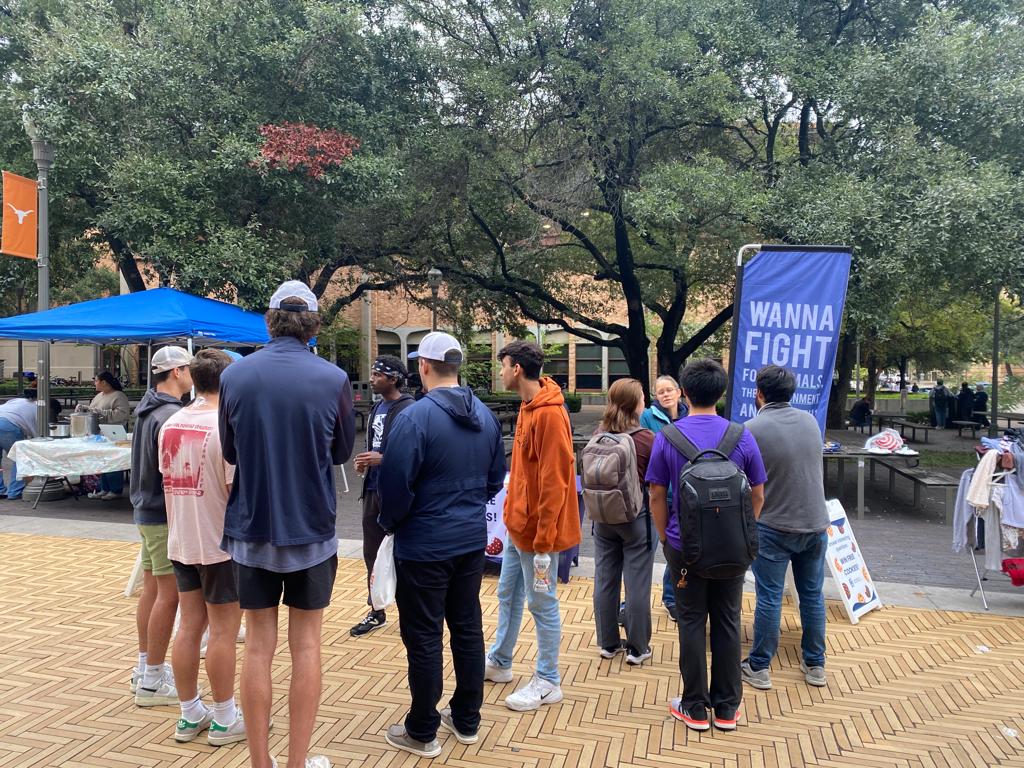
k. UW Madison
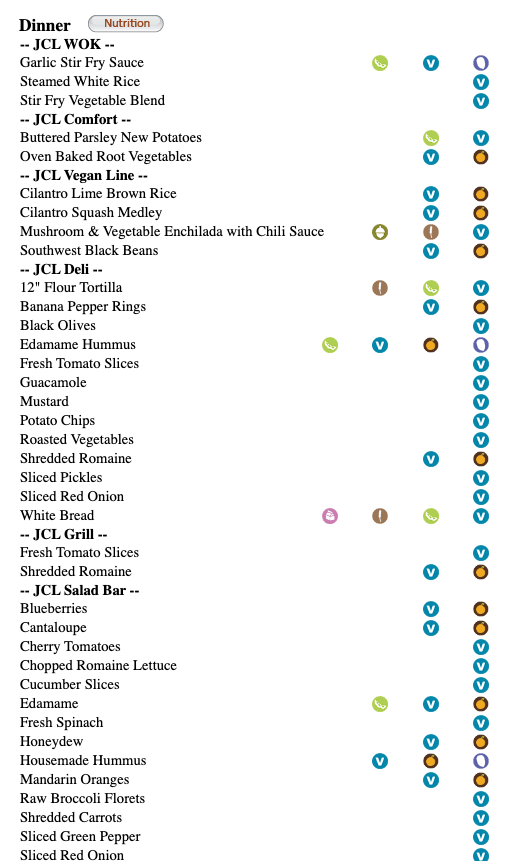
2. Dining hall campaigns. We are running petitions at several universities to improve vegan options in campus dining halls, and in June we secured a permanent vegan line in UT Austin’s cafeteria.
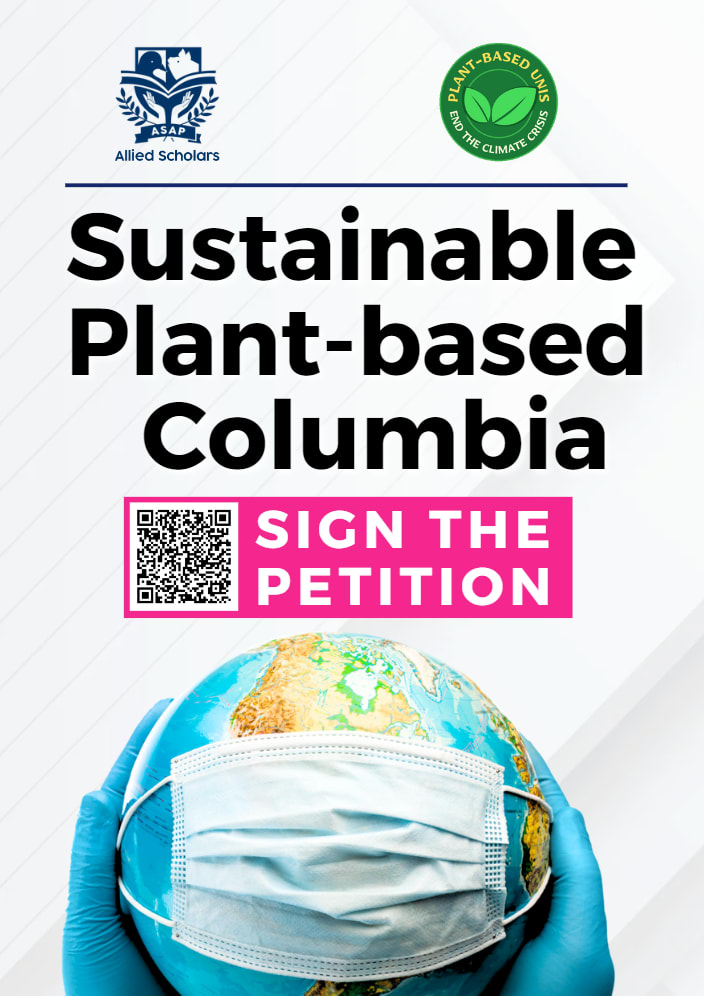
We’re currently in the process of launching a campaign for Columbia’s dining halls to go 100% plant based, in collaboration with the UK-based Plant-Based Universities campaign.
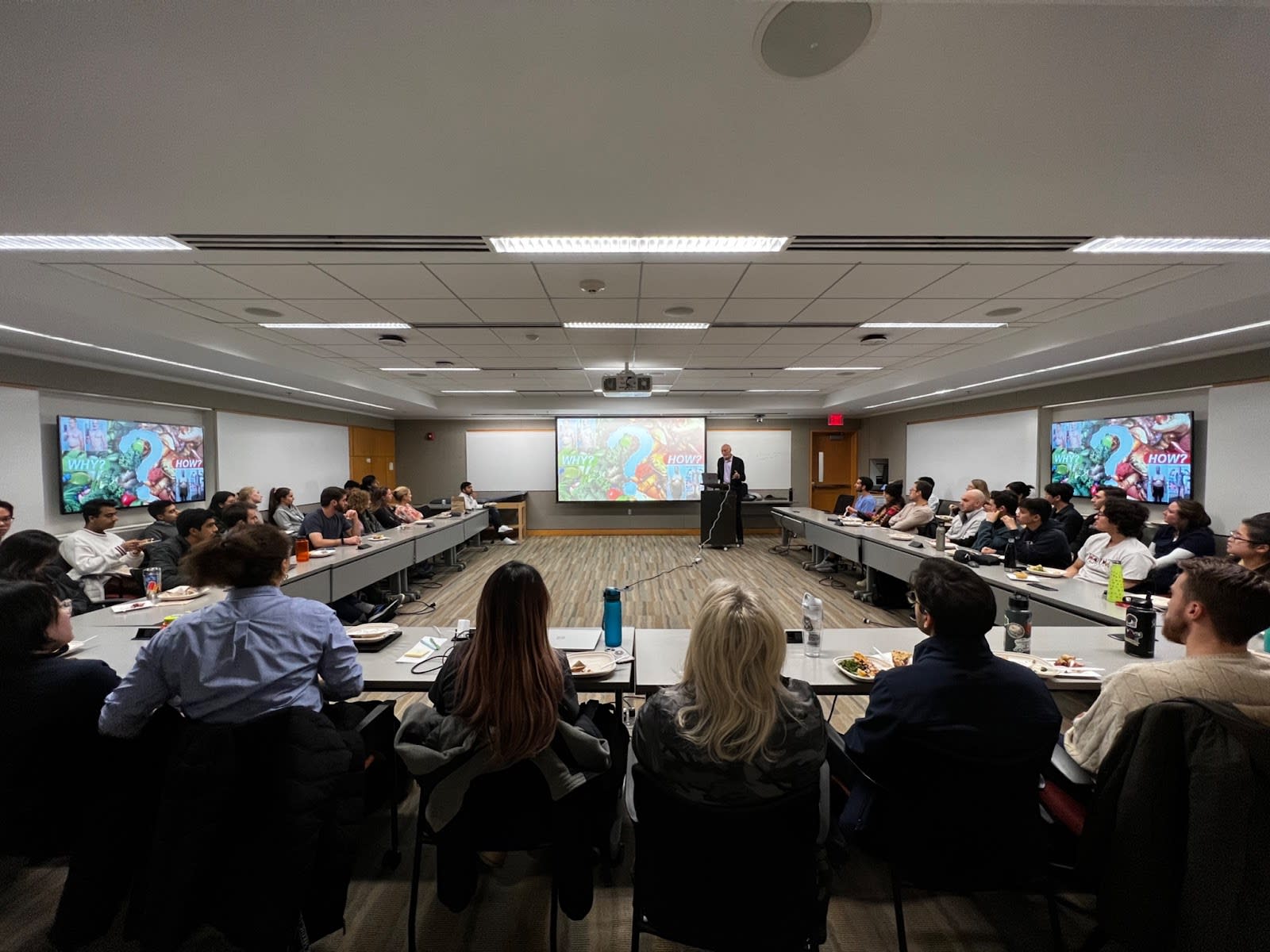
3. Career guidance and speaker events. This semester, we hosted two talks by Dr. Michael Klaper at Brown University, focused on the health benefits of a plant-based diet and on how healthcare professionals can help transform the food system.
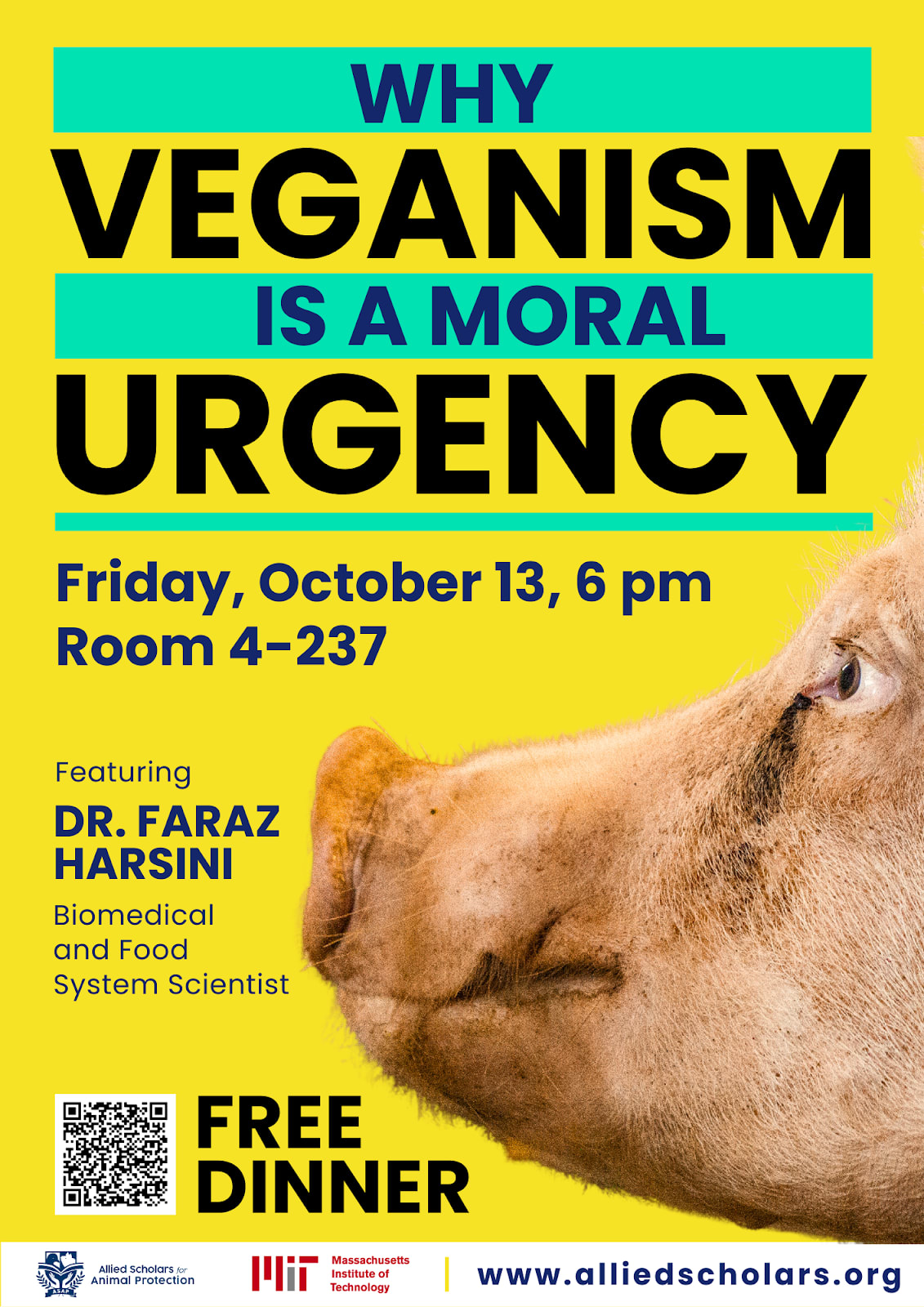
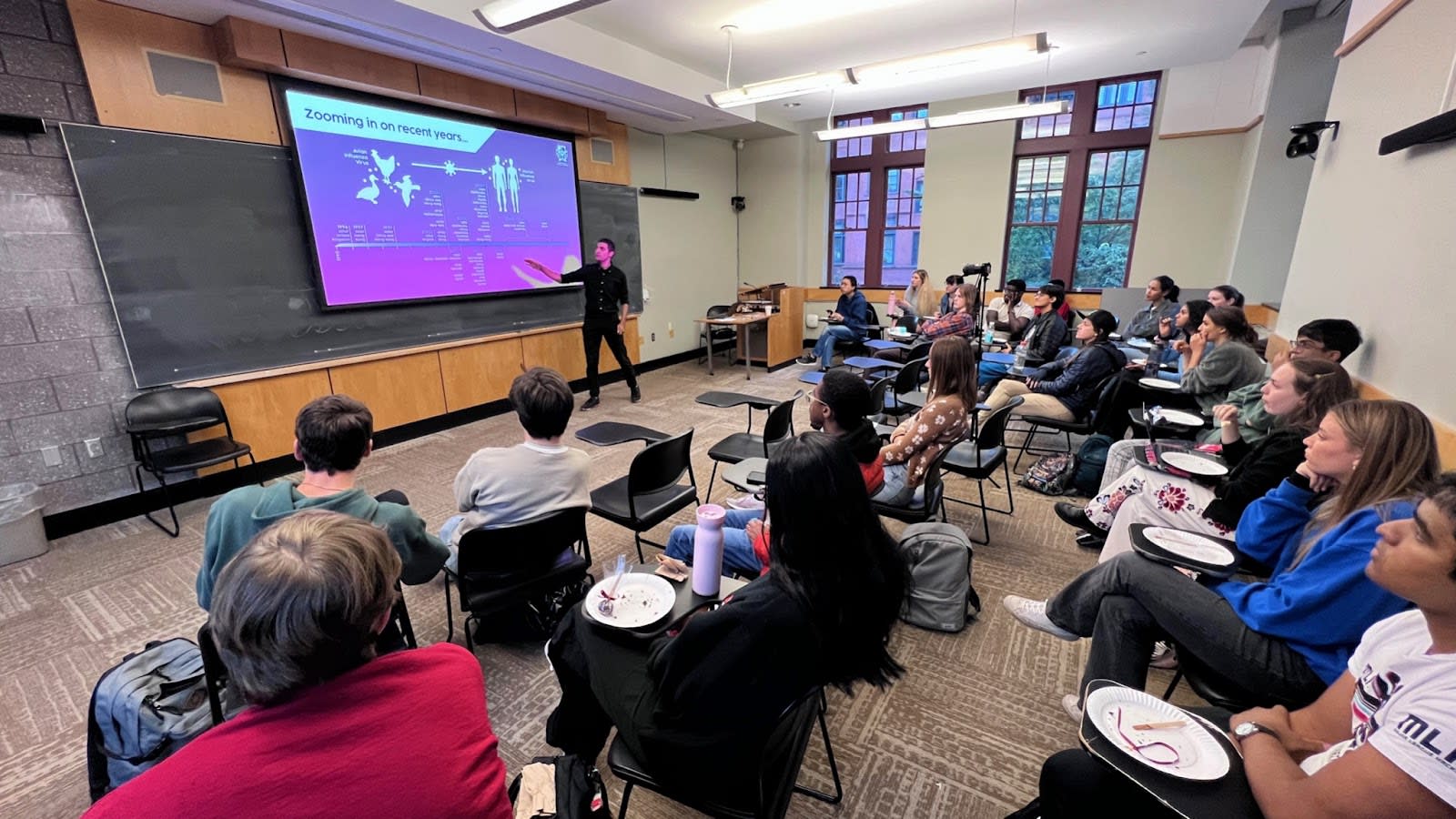
We also hosted many talks by Dr. Harsini, a biomedical and food system scientist who works on cultivated meat bioprocessing at the Good Food Institute. Dr. Harsini’s talks covered the moral urgency of veganism, the impacts of animal agriculture on the environment and public health, and impactful career paths such as alternative protein research.
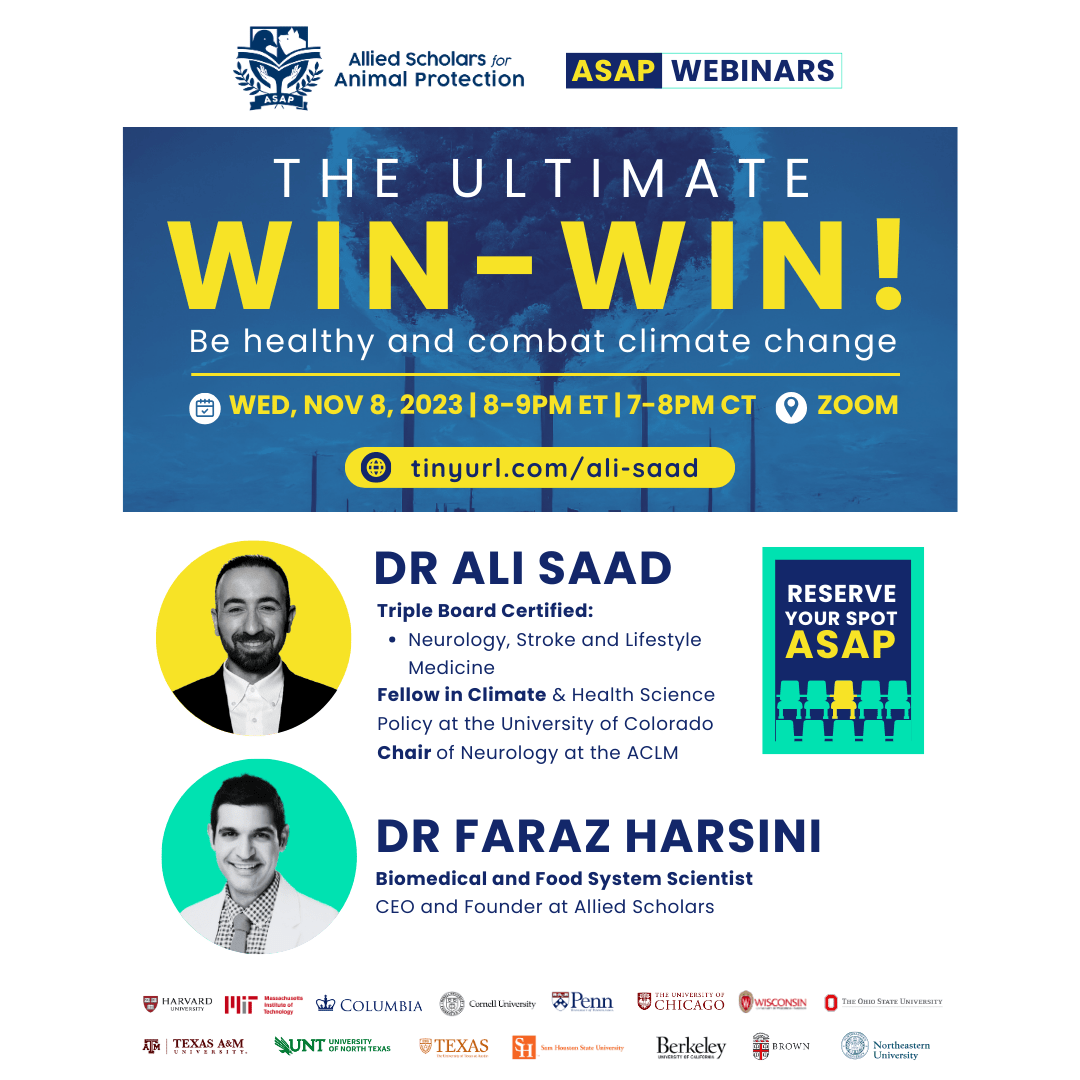
Finally, we hosted a webinar with Dr. Ali Saad on the environmental and public health consequences of animal agriculture, and possible career paths for addressing these problems.
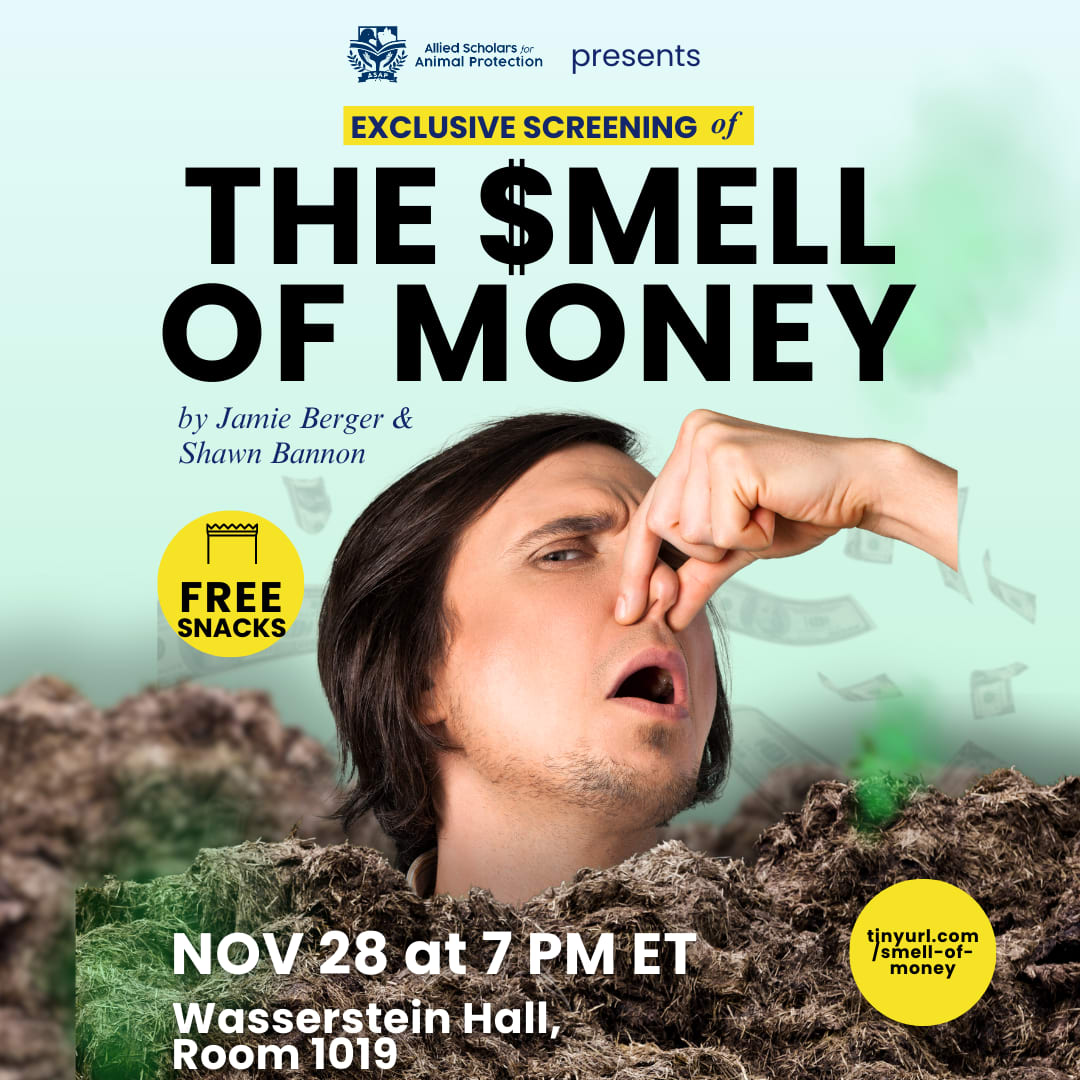
This week and next, all ASAP chapters will be hosting exclusive pre-release screenings of The Smell of Money, which focuses on the health consequences of factory farms for local communities in eastern North Carolina.
For more information on recent ASAP activities, check out any of our chapters on Instagram, or our shared Google Drive folder of photos from our most recent tour!
Link: Our Donation Page