This project explored the potential of social media to raise awareness about global causes among young Latin American university students and those who are entering the workforce (aged 18-26). By creating engaging multimedia content and utilizing strategic online communication, the project aimed to empower this demographic to become informed advocates for critical global issues. However, low social media engagement raises questions about the effectiveness of this approach for raising awareness and prompting action. New strategies are needed for social marketing campaigns that focus on informing and inspiring audiences, considering metrics beyond traditional conversion rates.
To address this challenge, we invite you to collaborate on developing innovative approaches that effectively leverage social media for positive social change.
Introduction:
The digital age has revolutionized communication, with social media platforms playing a central role due to their immense reach and interactive potential. However, while the effectiveness of social media for communication and mobilization is well-established, there remains a gap in understanding its impact on raising awareness about complex topics like global catastrophic risks, particularly among specific demographics in Latin America.
My background in communication and media has instilled in me a profound belief in the power of communication to shape societal values and culture. This belief, combined with the existing gap in research and the proven influence of social media, inspired me to develop a project aimed at harnessing these platforms to raise awareness about priority causes and global catastrophic risks.
This research explores the potential of social media content specifically designed for young Latin American audiences to increase their understanding of these critical issues. Addressing this gap is crucial, as a more informed youth population can significantly advocate for solutions to global challenges. The target audience includes university students and young adults entering the workforce, aged 18-26, with Spanish as their native language; a demographic with high social media engagement and the potential to become powerful advocates.
The Opportunity in Latin America:
Latin America boasts a remarkable social media penetration rate[1] of approximately 86%[2]. This presents a unique opportunity to leverage social media for positive social change.
Despite the widespread use of social media in Latin America, there is a significant lack of content related to global catastrophic risks and priority causes in Spanish, including existential threats such as climate change, nuclear war, and artificial intelligence misuse. While some organizations, like the Observatorio de Riesgos Catastróficos Globales, are working to address this gap, their efforts are limited compared to the vast amount of content available in other languages.
The scarcity of Spanish-language content on global catastrophic risks and priority causes is evident when comparing the number of social media accounts dedicated to these topics in Latin America to those in other regions. For example, a search for "climate change" on X reveals a significantly higher number of English-language accounts compared to Spanish-language ones. This trend holds true for other global catastrophic risks as well.
In the same way, priority causes and global catastrophic risk are far more prevalent in the public discourse of developed nations. In the UK and US, issues such as climate change, nuclear proliferation, and the potential dangers of AI are widely discussed in mainstream media, educational institutions, and government policies. This robust conversation has fostered a greater public awareness and engagement.
For instance, in the UK and US, there exists a vast array of established organizations, think tanks, and media outlets dedicated to researching, communicating, and advocating for action on global catastrophic risks In contrast, Latin America's ecosystem for addressing these issues is still nascent, with limited resources and visibility.
This information disparity has profound implications. While citizens in developed countries can access a wealth of information to understand complex global challenges, their counterparts in Latin America often lack basic knowledge. This knowledge gap hinders the region's ability to participate effectively in global efforts to mitigate these risks, limiting the ability of Spanish-speaking individuals to access critical information about these threats, hindering their understanding and potential involvement in mitigation efforts. This is particularly concerning for Latin America, a region highly vulnerable to the impacts of global risks such as climate change and natural disasters.
Addressing the information gap requires a multi-pronged approach. Firstly, organizations working on global catastrophic risks should prioritize creating and translating content into Spanish. Secondly, social media platforms would play a role by promoting and amplifying Spanish-language content on these topics. Finally, governments and educational institutions might support initiatives to raise awareness about global catastrophic risks and priority causes among Spanish-speaking populations.
By bridging the information gap, we can empower Latin American communities to become more informed and engaged in addressing global catastrophic risks, contributing to a more resilient and sustainable future for the region.
Methodology:
Literature review: a comprehensive review exploring social marketing, priority global causes, and content reference analysis.
The review encompassed a broad spectrum of topics pertinent to developing a robust content strategy:
Explorer vs. soldier mindset: this distinction highlighted the contrasting approaches to addressing complex problem-solving and strategic decision-making.
Decision-making tools: various tools and techniques for evaluating options and making informed decisions within the context of career and priority global causes.
Priority causes and measuring impact: a clear comprehension of the characteristics that define priority global causes and their significance, as well as the criteria used during the cause prioritization process.
Radical empathy and its practice: concepts of radical empathy and the expansion of the moral circle, along with some strategies for applying them within the workforce and the addressing of priority causes
Global catastrophic risks: an overview of the main global catastrophic risks that could confront humanity, including the misuse of artificial intelligence and the lack of biosecurity strategies.
The selection of these topics was grounded in their relevance to the "Carreras con Impacto" and the Introductory EA Program syllabi. These themes are known to provide a solid foundation for understanding priority global causes and developing effective communication strategies to foster awareness and action on these critical issues.
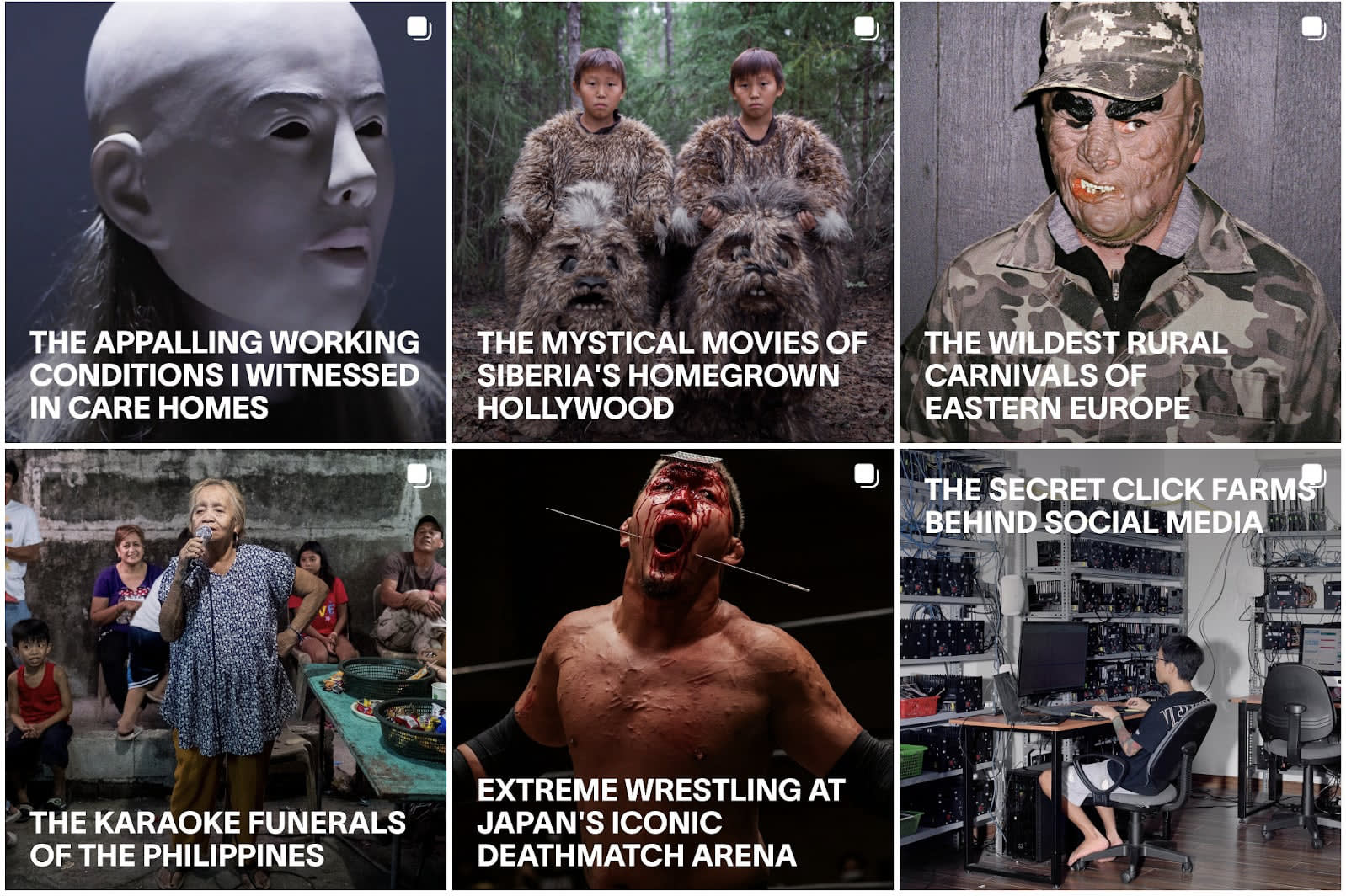
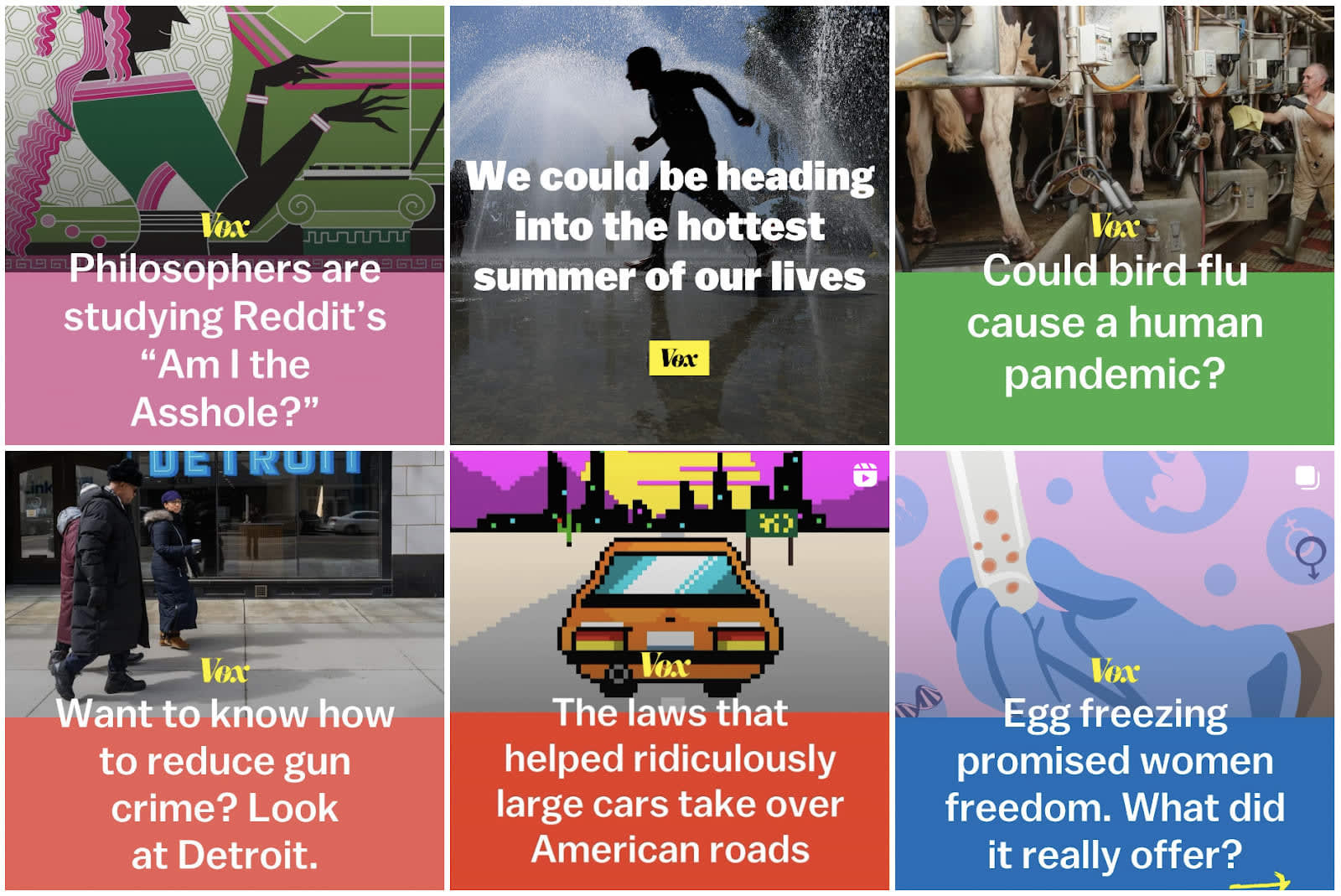
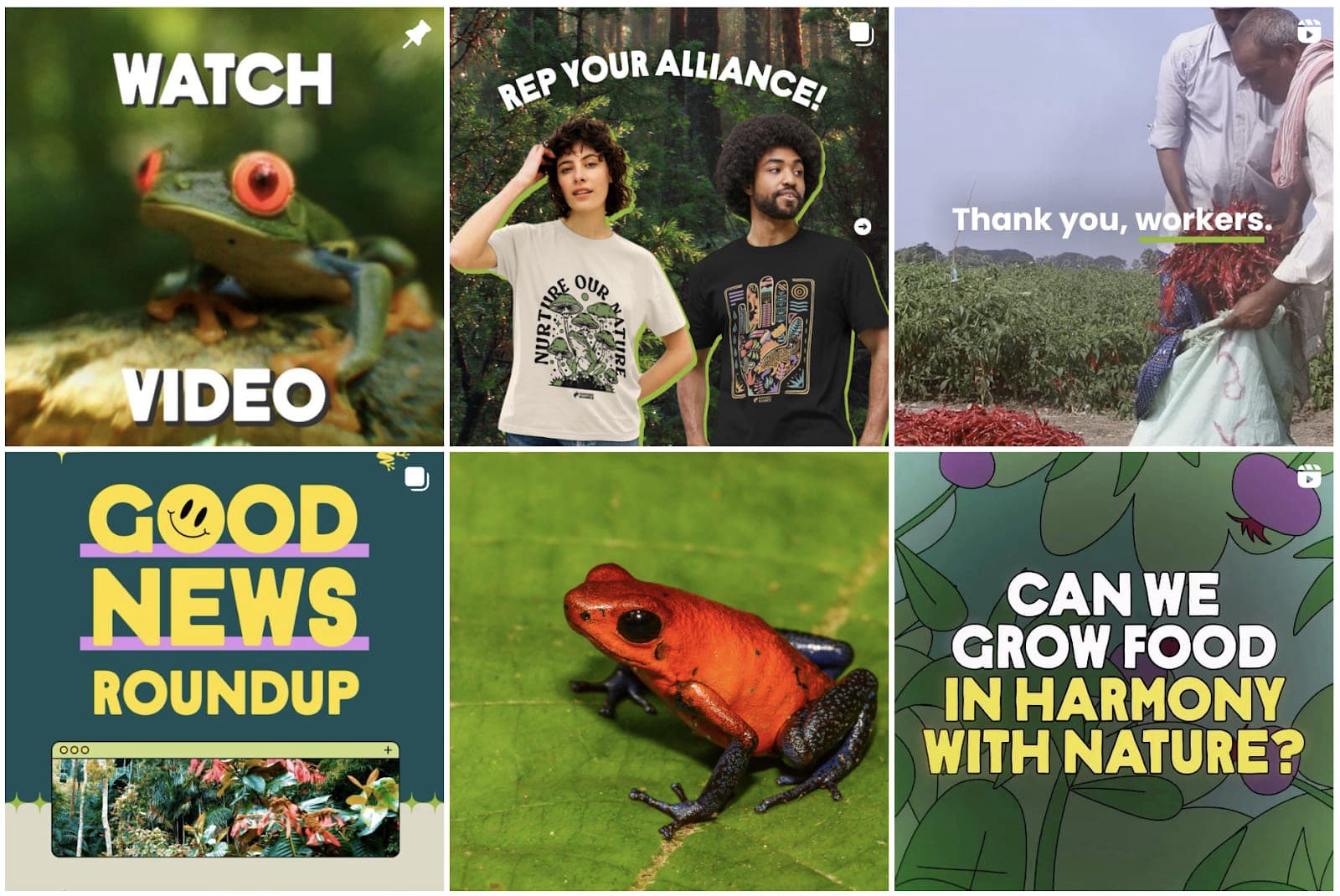
Content reference Analysis: an exhaustive analysis was conducted of leaders and organizations that have been successful in disseminating similar topics on social media. This analysis allowed for:
The Identification of Best Practices and strategies in terms of content style, format, and themes to take as a reference.
Understanding the trends and latest developments in social media to update content strategies
The identification of the type of content that generates the most engagement with the target audience
Some examples of the profiles taken into account are:
Brand development: A comprehensive brand development process was carried out with the aim of establishing a solid and recognizable identity in the digital realm. This process encompassed two fundamental stages:
Brand Manual Creation: a comprehensive brand manual was developed to define and maintain consistency in the essential elements of visual identity and communication style across all platforms. This includes:
Logo: Multiple versions of the logo were created to ensure flexibility and adaptability across various digital contexts, this allows the brand to maintain a consistent visual identity regardless of the medium. By having different logo versions, the brand can effectively communicate its identity in a manner that is appropriate and impactful for each specific platform.
Color Palette: A carefully curated color palette was defined to reflect the organization’s personality and values. The chosen colors were selected to evoke the desired emotional response and to ensure visibility and legibility across all platforms. Consistent use of a specific color palette helps to create a strong and recognizable brand presence, which aids in building brand loyalty and recognition over time.
Typography: Legible and stylistically appropriate fonts were selected to align with the brand’s style. This includes primary and secondary typefaces for different use cases. Typography plays a crucial role in brand perception since choosing fonts that are not only legible but also reflective of the brand’s tone ensures that all written communication is clear and aesthetically pleasing.
Tone of Voice: A consistent tone of voice was established for all digital communication platforms, ensuring that the brand's messages are uniform, relatable, and aligned with its core values. A consistent tone of voice helps to create a cohesive brand personality, making it easier for the audience to connect with the brand on a personal level and understand its messaging.
Image Guidelines: Clear guidelines for the selection and use of images and videos in digital content were defined. This includes aspects such as style, subject matter, and quality standards. Visual content is a powerful tool for storytelling. Having specific guidelines ensures that all visual materials are consistent, high-quality, and reflective of the brand’s identity, thereby enhancing the overall brand experience.
The implementation of this brand manual has significantly influenced the results by ensuring that all aspects of the brand’s presentation are cohesive and professional. This consistency leads to increased brand recognition, a stronger emotional connection with the audience, and a more streamlined communication strategy.
Social media profiles: Instagram and LinkedIn profiles were created under the name 'Con Acción Transformamos' (translated as 'We transform with action' in English). The description for each profile was defined, and the visual elements, including the profile picture and cover photo, were also set.
Content creation: engaging and informative content, including carousel images, stories, reels, and informative articles, was developed to resonate with the target audience and support project objectives. In collaboration with the “Carreras con Impacto” team, content and design elements were meticulously evaluated based on the established brand manual and thematic guidelines. This comprehensive approach ensured consistency across all sixteen graphic pieces and social media posts and an effective communication of the project's message.
The content creation process was: :
Performing a literature review on the topic
Creating an initial sketch of the composition and text in Canva
Sharing it within the Carreras con Impacto mentoring team, who provided feedback on the language and information used.
Once approved, the copy was crafted, and the publication was scheduled.
Social media strategy: the communication strategy for this project was designed to establish and grow a strong presence on LinkedIn and Instagram, gradually increasing engagement and reaching the target audience making use of the nonprofit or social marketing.
Content diversification: a multifaceted content strategy was developed to educate and engage the audience. Sixteen varied pieces of content addressing different aspects relevant to our target audience were published, optimizing the content for participation and interest in a context of initial low visibility. This content served as the initial basis to educate the audience and evaluate the best posting times and content.
As a test, two types of content were created weekly: one focused on introducing the week's theme more formally, and another that will serve as its continuation in a fresher manner, which would serve as an A/B test to measure the perception of the audience depending on the way the information was presented.
The content distribution was organized as follows:
Type of content
Total created
Carousels
11
Stories
5
LinkedIn blogs
3
Reels
3
Strategic scheduling: Although initial reach expectations were limited, posts were strategically distributed to maximize visibility and potential engagement. A carefully planned schedule was implemented, leveraging analytics data to identify optimal audience activity times.
According to Sprout Social, the best times to post on Instagram in Colombia are Monday to Friday between 11:00 a.m. and 3:00 p.m., and on LinkedIn, according to HubSpot, in Tuesday and Wednesday from 10:00 a.m. to noon and then from 3:00 to 4:00 p.m., as well as Thursday from 10:00 a.m. to 2:00 p.m. Consequently, posts were scheduled for Tuesdays and Thursdays at 11:00 a.m. Colombia time, also considering convenient times for other countries on the continent, such as Mexico at 10:00 a.m. and Argentina at 1:00 p.m.
Hashtags and tagging: To increase the visibility of the posts, a combination of niche and broad hashtags was strategically chosen, given the account’s initial low exposure. The selection process involved assigning a representative hashtag for each theme, including:
#AccionSocial as the account's main hashtag, aligning with the account’s name and objective.
#UneteALaConversacion to encourage a call to action.
#CausasPrioritarias and #RCG to highlight the project’s main themes.
#ConAccionTransformamos to build brand recognition around the account's name.
Using the Brand24 tool, the metrics for each of these hashtags were evaluated to ensure their effectiveness. Additionally, relevant accounts were tagged in the captions or comments, depending on the specific content, to generate traction on the topic and boost engagement. The hashtags used included:
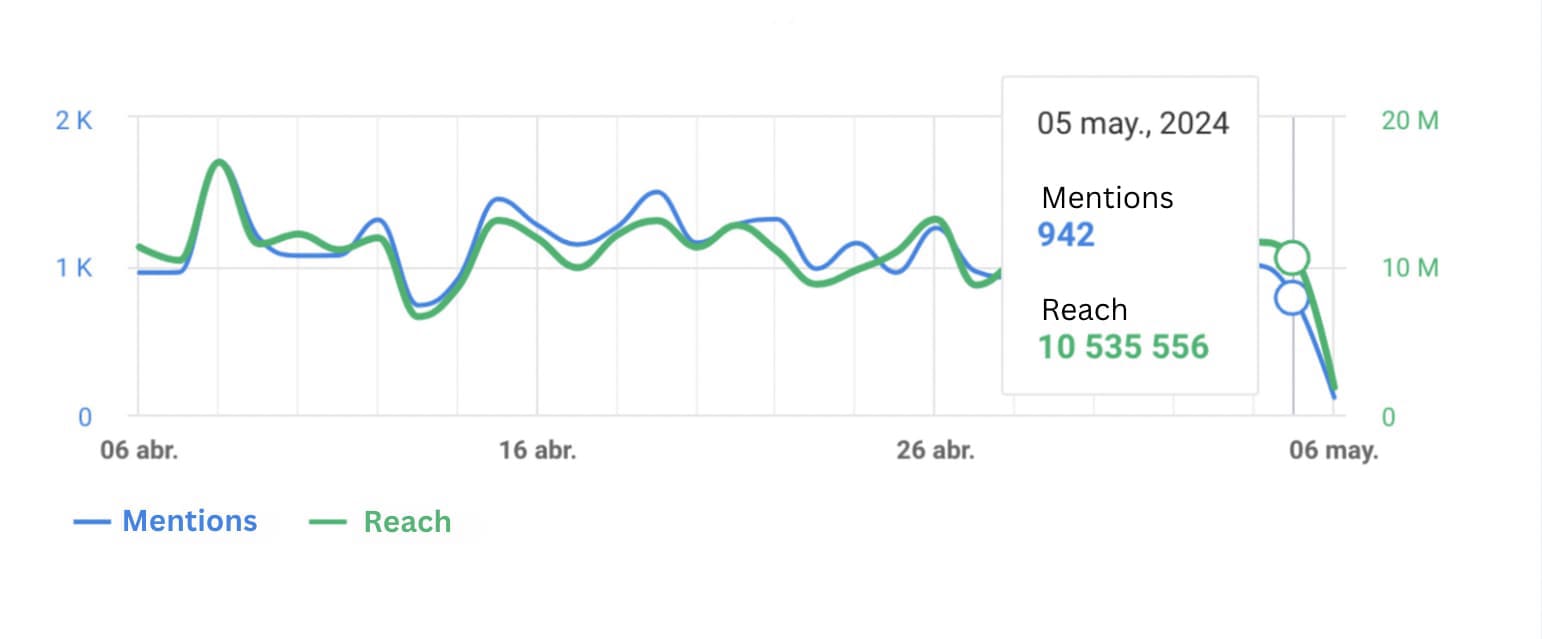
General hashtag:#AccionSocial was the main hashtag, selected for its strong alignment with the account’s goals and name, which helped in maximizing post visibility. As can be seen in the monthly reach statistics generated by Brand24, this hashtag significantly contributed to expanding the content’s reach, achieving over 10.5 million impressions on May 5th alone, alongside 942 mentions. The consistent use of this hashtag played a key role in driving engagement across the campaign.
Metrics obtained through Brand24 platform
Specific hashtags: #UneteALaconversación, #CausasPrioritarias,#ConAccionTransformamos and #RCG, as well as hashtags related to the content topic,were used as secondary hashtags, aiming to position while educating the audience.
Regarding the selection of the hashtag for global catastrophic risks, the metrics provided by Brand24 in different languages were evaluated. The hashtag #RCG was the only one with mentions on social media, and consequently, it was chosen for use.
Active interaction: proactive interaction with the audience was prioritized, responding to comments, direct messages, and mentions in a timely and authentic manner. Although interactions may be limited initially, each individual interaction will be valued and used to strengthen the relationship with the emerging community.
Additionally, accounts discussing similar topics and having global relevance, such as Rainforest Alliance, UNICEF, World Wildlife Fund, and Oxfam, were followed.
Evaluation and analysis: a weekly monitoring and analysis process was implemented to evaluate the performance of the posts and adjust the strategy accordingly. The following data were analyzed:
Reach: the number of unique people who have seen the content.
Impressions: the total number of times the content has been seen.
Engagement: the level of interaction the audience has with the content, such as likes, comments, and shares.
Clicks: the number of times a link in the content has been clicked.
Results
While overall engagement and reach did not meet peak levels, the metric analysis of the published posts provided valuable insights into content consumption preferences on each platform:
Instagram Analysis
The Best-Performing formats were reelsand carousels, as we can determine by analyzing reach and interactions.
Thereel with the highest reach and interactions (Post 12), focused on artificial intelligence safety, achieved 178 views and 9 interactions.
Thecarousel with the highest interaction (Post 11), also related to artificial intelligence, garnered 41 interactions and reached 35 users.
LinkedIn Analysis:
The best-performing format was posts with a larger copy and carousels in PDF, slightly outperforming blog posts.
The posts with a larger copy and carousels in PDF with the highest reach and interactions (Post 1) had 330 views and 4 interactions, and its principal topic was scout vs soldier mindset.
The Blog/Written post (Post 15) had a low level of interaction.
Overall, interaction on LinkedIn was lower than expected, but higher compared with Instagram.
Despite not achieving high engagement, this analysis provides valuable information about content consumption preferences on the evaluated platforms. The findings suggest that:
On Instagram, dynamic formats like Reels and Carousels are more appealing to users, specifically those with information about trending topics, such as the reel about artificial intelligence.
On LinkedIn, content in posts with a larger copy and carousels in PDF seems to be more effective in capturing the audience's attention.
LinkedIn vs Instagram comparison: while LinkedIn had a slightly higher reach, particularly with posts featuring detailed content and PDF carousels, Instagram performed better overall in terms of engagement. Dynamic formats like Reels and Carousels on Instagram, especially those covering trending topics like artificial intelligence, attracted more user interaction.
It is important to develop specific strategies for each platform to encourage interaction and engagement.
Discussion The findings suggest that on Instagram, dynamic formats like Reels and Carousels, particularly those addressing trending topics such as artificial intelligence, are more appealing to users. This aligns with broader trends where visually engaging and concise content tends to perform better on platforms geared towards quick consumption.
On LinkedIn, content that includes detailed information, such as posts with longer copy and carousels in PDF, seems to capture the audience’s attention more effectively. This reflects the platform's professional environment, where users are typically looking for in-depth, informative content rather than quick, visual posts.
However, despite these insights, the campaign did not achieve the desired levels of reach and engagement. Several factors likely contributed to these results:
New account status: given that the social media accounts were relatively new, it’s possible that the lack of an established follower base limited the overall visibility and engagement of the posts.
Complexity of topics: the challenging and unfamiliar nature of topics like global catastrophic risks may have also hindered engagement, as audiences may find such content difficult to grasp or less immediately relevant to their daily lives.
Content format: while dynamic content performed better, more traditional formats like blog posts struggled to gain traction, particularly on platforms like LinkedIn, which might require more tailored content strategies.
Despite not achieving high engagement, this analysis provides crucial insights into platform-specific content preferences, which can guide future strategies. To maximize the impact of future initiatives, the following areas for improvement have been identified:
Expand reach and engagement: implement dynamic strategies, such as innovative content formats, targeted audience interactions, and partnerships with influential voices.
Enhance impact measurement: beyond traditional metrics, focus on measuring behavior and attitude shifts to gauge the campaign’s true effectiveness.
Deepen audience connection: create relatable content featuring local stories, statistics, and language. Foster interaction through contests, challenges, and open dialogue.
Strengthen communication: craft compelling messages that evoke emotions and inspire action. Simplify complex issues to ensure clear and engaging communication.
Prioritize solutions and empowerment: shift focus from problem identification to actionable solutions and community engagement.
By incorporating diverse content formats, collaborating with young Latin American influencers, and continuously adapting to platform trends, we can transform social media into a powerful catalyst for change.
The social media penetration rate refers to the percentage of a population that uses social media platforms. It is calculated by dividing the number of social media users by the total population. For instance, if a country has 100 million people and 80 million of them use social media, the social media penetration rate would be 80%.
Note: This post was crossposted from the Coefficient Giving Farm Animal Welfare Research Newsletter by the Forum team, with the author's permission. The author may not see or respond to comments on this post.
Subtitle: On vegan advocacy, effective altruism, and FIFA
I turn 40 today. Here are some hot takes.
On factory farming
1. Our biggest challenge is salience. If factory farming led the evening news, it wouldn’t last lo...
Impressions from the 21st Annual U.S. Cluster Headache Patient Conference, organized by Clusterbusters.
On the morning of the last day of the conference, E. was hanging out with other “clusterheads” outside the conference hotel when he started having a cluster headache attack. Before he could go back to his hotel room, J. offered E. his DMT v...
When speaking to candidates who are considering working with us at 80,000 Hours, I often hear people worry about replaceability.
The familiar version of the worry is about whether the organisation will hire someone else in your place. If it will, then the difference you make by taking the job is only the difference between you and them.
There are a couple of well-known answers to that. The person hired in your place probably cares about the world too, and would go on to do somethi...