Cons: The store might not actually gather one less lobster than usual
This... seems like a pretty big deal, actually. The store still needs the same number of lobsters to serve to customers who order lobster to eat it, so... how exactly would they gather one less lobster than usual? What's the actual plan, here?
That's a good point, and applies to all of them. I think it would be that it encourages people to recognize the rights of non-human animals, but it might just drive demand and increase the popularity of lobster stores, meaning it might do more harm than good. Should I delete this post or edit it to mention to not do this for this reason?
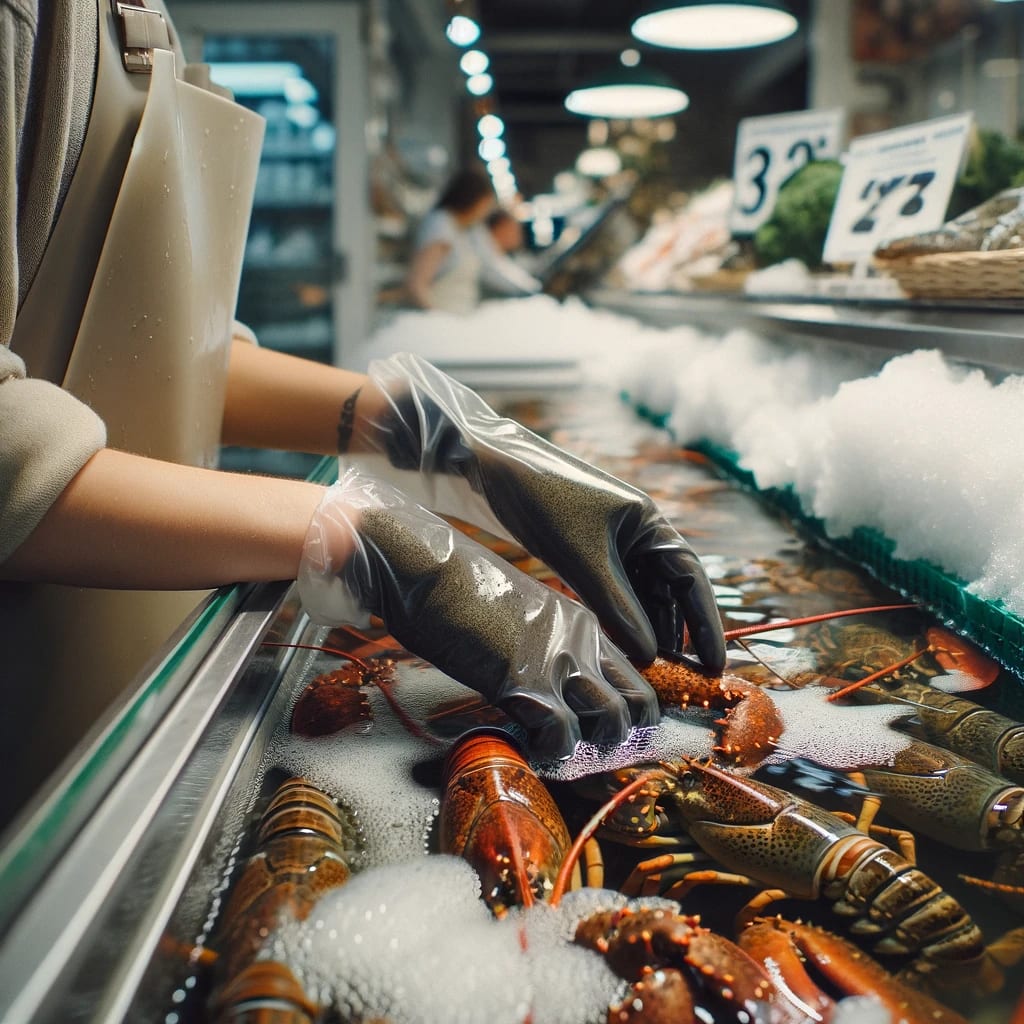
Buying a lobster from a store and setting it free could do more harm than good. This is because you might increase demand to the extent that the supply goes up by more than 1, and it wastes your time.
On a small scale:
Do buy a lobster & save it
Don't buy a lobster & not save it
1 Lobster saved per person
1 Lobster not saved per person
∼1 Lobster captured due to increased demand per person
∼1 Lobster not captured due to increased demand per person
Lobster store gets money
Lobster store doesn't get money
You and other participants lose some time from your days
You and other participants don't lose some time from your days
Also, doing it on a large scale adds another component. It might encourage people to recognize the rights of non-human animals, but it might also drive demand and increase the popularity of lobster stores, meaning it might do more harm than good.
On a large scale:
Do buy a lobster & save it
Don't buy a lobster & not save it
1 Lobster saved per person
1 Lobster not saved per person
∼1 Lobster captured due to increased demand per person
∼1 Lobster not captured due to increased demand per person
Lobster store gets money
Lobster store doesn't get money
You and other participants lose some time from your days
You and other participants don't lose some time from your days
It might produce a higher view of non-human animals in the public eye
Won't produce a higher view of non-human animals in the public eye
It might build publicity for lobster stores, increasing demand.
It won't build publicity for lobster stores, increasing demand.
Note: This post was crossposted from the Coefficient Giving Farm Animal Welfare Research Newsletter by the Forum team, with the author's permission. The author may not see or respond to comments on this post.
Subtitle: On vegan advocacy, effective altruism, and FIFA
I turn 40 today. Here are some hot takes.
On factory farming
1. Our biggest challenge is salience. If factory farming led the evening news, it wouldn’t last lo...
On October 22nd starting at 10:00am Pacific Time, Every.org is matching donations to select animal welfare organizations at a 2:1 rate, up to $2,000 per donor per nonprofit (so if you give up to $2,000, they will contribute up to $4,000 and the nonprofit will get up to $6,000). The first donation a donor makes to each eligible nonprofit will be matched, and donors can get the match for multiple $2,000 donations. So, you can get more than $2,000 matched by donating $2,000 one time to multiple...
When speaking to candidates who are considering working with us at 80,000 Hours, I often hear people worry about replaceability.
The familiar version of the worry is about whether the organisation will hire someone else in your place. If it will, then the difference you make by taking the job is only the difference between you and them.
There are a couple of well-known answers to that. The person hired in your place probably cares about the world too, and would go on to do somethi...
This... seems like a pretty big deal, actually. The store still needs the same number of lobsters to serve to customers who order lobster to eat it, so... how exactly would they gather one less lobster than usual? What's the actual plan, here?
That's a good point, and applies to all of them. I think it would be that it encourages people to recognize the rights of non-human animals, but it might just drive demand and increase the popularity of lobster stores, meaning it might do more harm than good. Should I delete this post or edit it to mention to not do this for this reason?
Maybe edit your post? I don't know, it's really up to you.