TL;DR
* GOAL 3 is a social enterprise that created IMPALA, a patient monitoring and digital platform system for low-resource settings. There is also a GOAL 3 foundation that raises funds to ensure underserved communities will be reached.
* A recently completed report from Rethink Priorities calculated IMPALA to have a cost per DALY averted of $7–17 in paediatr...
This month effective altruism has gotten lots of attention, including a cover story in The Economist. It feels pretty surreal to be on the receiving end of it. But I feel grateful these ideas have caught on, and even more grateful for the drive, earnestness, and compassion of so many people who took strange but well-argued ideas seriously and then actually acted on them....
Impressions from the 21st Annual U.S. Cluster Headache Patient Conference, organized by Clusterbusters.
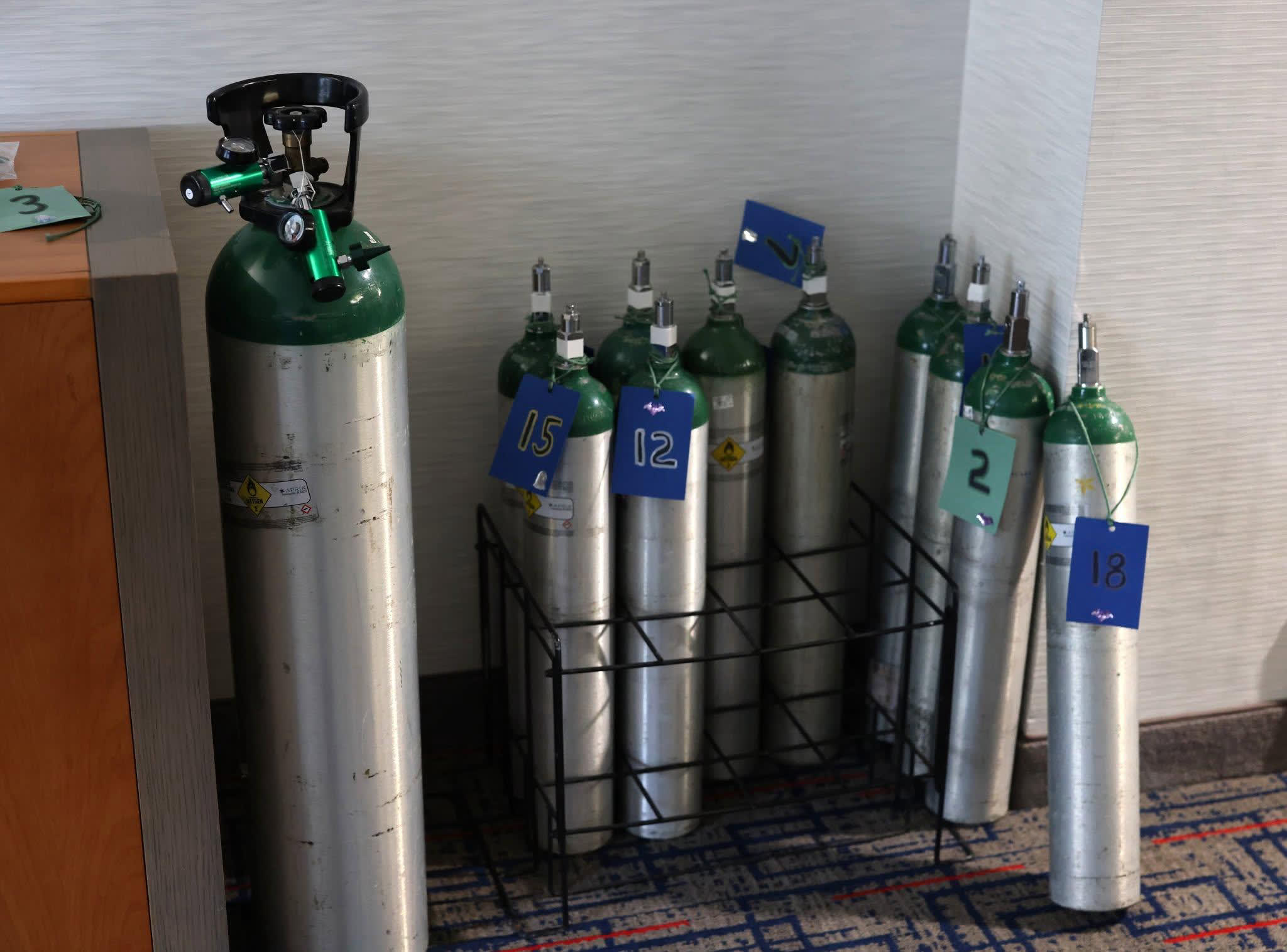
On the morning of the last day of the conference, E. was hanging out with other “clusterheads” outside the conference hotel when he started having a cluster headache attack. Before he could go back to his hotel room, J. offered E. his DMT v...

“Chief of Staff” models from a long-time Chief of Staff
I have served in Chief of Staff or CoS-like roles to three leaders of CEA (Zach, Ben and Max), and before joining CEA I was CoS to a member of the UK House of Lords. I wrote up some quick notes on how I think about such roles for some colleagues, and one of them suggested they might be useful to other Forum readers. So here you go:
Chief of Staff means many things to different people in different contexts, but the core of it in my mind is that many executive roles are too big to be done by one person (even allowing for a wider Executive or Leadership team, delegation to department leads, etc). Having (some parts of) the role split/shared between the principal and at least one other person increases the capacity and continuity of the exec function.
Broadly, I think of there being two ways to divide up these responsibilities (using CEO and CoS as stand-ins, but the same applies to other principal/deputy duos regardless of titles):
Some things to note about these approaches: