AI Use Note: Main body text entirely human written. Claude (Opus 4.8) helped develop models of animal life histories in the appendix.
Cross-posted from Good Structures.
Executive Summary
* Animal advocates sometimes make claims like “there are X of this animal...
Summary
Back in November 2023 I posted here to launch Spiro and raise our first $198k. Two and a half years later this is an update and a fundraiser for the next step.
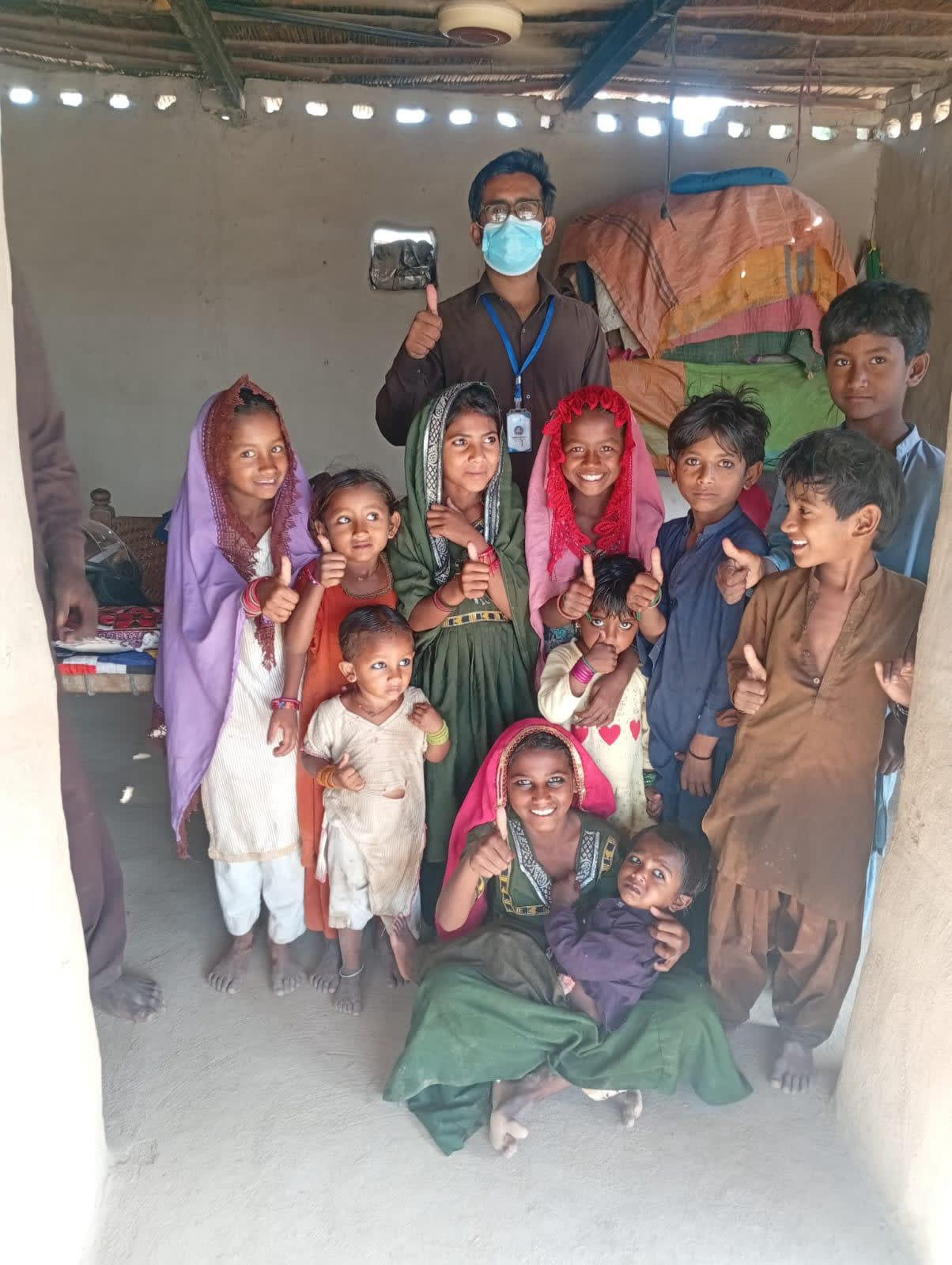
The short version: we've now reached over-5,900 people with TB preventive medicine, including over 3,000 children under five years old. Our early results have held up well an...
Adapted from my Substack, Funding Anthropalypse.
Short version: if you want a share of the coming Anthropic and OpenAI windfall - the $37bn+ that could be in play next year - the way in is to become 'legibly excellent', so the evaluators and donors that frontier lab staff already trust point them to yo...

I am relatively new to the community and am still getting acquainted with the shared knowledge and resources.
I have been wondering what the prevailing thoughts are regarding growing the EA community or growing the use of EA style thought frameworks. The latter is a bit imprecise, but, at a glance, it appears to me that having more organizations and media outlets communicate in a more impact-aware way may have a very high expected value.
What are people's thoughts on this problem? It likely fits into a meta-category of EA work, but lately I have been feeling that EA messaging and spread is an underserved area for improvement. It's possible I'm simply unaware of some difficulties or existing related efforts.
Welcome to the community!
Both of these are generally thought to be good things, though personally I'd expect growing the movement would be easier than spreading EA-style thought (partially because the EA community is small, while the outside world is big, so it's probably much easier to have a substantial relative impact in growing the community than in, for instance, getting the outside world to be more impact-aware, though there are other considerations). One caveat, though, is that rash attempts to grow the movement have the potential to be counterproductive.
Thank you very much for the welcome and for your thoughts!
That is a good point regarding the growth potential of the community itself, and certainly the quality of any growth would need to be a primary consideration.
My only counter-consideration to your point is that the bar to overcome is lower when convincing someone to adopt some aspect of EA-style methodology when compared to becoming a full EA community member. That being said, it certainly seems more concrete and easier to fathom how to grow the community, and less so for how to “spread EA style thinking”.
I think of GiveWell and 80,000 Hours as good examples of organizations that in their own way promote EA principles. Providing resources and tools for consumers seems to me a good way to increase reach, and perhaps there are areas that have not already been covered by existing EA-adjacent organizations.