Comments
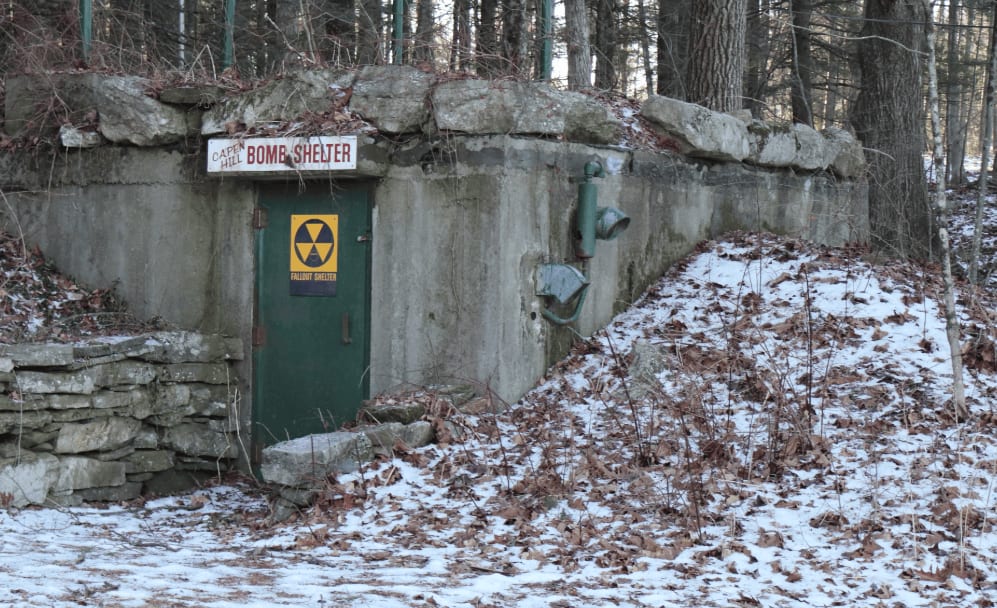
I was born at the end of the cold war, unaware of the danger we were emerging from. Duck and cover drills (as if those could protect schoolchildren from a nuclear blast) were a curiosity of the past.
The farmer-poet Wendell Berry, who wrote about the dread of nuclear war, died recently. From his 1968 “The peace of wild things”:
When despair for the world grows in me
and I wake in the night at the least...
A bird's eye view on why donating to relieve the earthquake's damage to Venezuela is one of the best causes to donate to.
I have seen the photos, tens of complete buildings shattered to pieces, more than 150+ reported dead, and a lot more buried without clue to whether they're dead or alive, and on top of that, a poor, government in crisis country has to handle that. When a natural catastrophe happens to a country like that, your money goes a long way in saving lives.
Yes, I have seen the pictures too... it is awful and moving. Luckily, it is already being well-funded (as is common in such situations). The USA alone for example has pledged $150M in aid. Therefore, I doubt that it is one of the best causes to donate to for impartial scope-sensitive impact. If someone is seriously moved by this (as with other causes), I would encourage them to donate to other causes that are more neglected and use these experiences as a way to stay in touch with why they're donating.
Thank you for the data on the US government's pledge.
Any tips on how to encourage that without discouraging the intent on donating to any decent cause? I recall that most people are usually not on the donating business and therefore any donation to a decent cause might be better than, say, buying unnecesary fast-fashion clothing.
"your money goes a long way" do you have any numbers on this? think that we have to compare to scalable interventions in preventive health, for instance, the bar is quite high
Thank you. It was simply a quick take to share my intuitions, comparing natural catastrophes between rich and poor countries. I don't have actual numbers around how far a dollar goes in situations like this, and I'm not confident that calculations on such sudden issues can be made that quickly. Do you have any data on the latter?
I have no data on catastrophe relief, and no idea besides googling a bunch to make myself an idea.
For scalable interventions in preventive health, there are some typical EA examples like:
- bednets to prevent malaria
- seasonal chemoprevention for malaria
- vitamin A supplementation
- vaccination incentives
I personally don't have any data on the latter, but GiveWell has done a bunch of practical research aggregation / outreach, for instance here:
https://www.givewell.org/how-much-does-it-cost-to-save-a-life