Previously: Donations, The Third Year / Donations, The First Year
In 2025, like in all previous years, I did what I was supposed to do. As each paycheck came in, before I did anything else, I dutifully put ten percent of it away in my "donations" savings account, to be disbursed at the end of the year.
It is still there, burning a hole in my pocket. I am very confused, and very sad.
EA was supposed to be easy, especially if you're one of the old school Peter Singer-inflected ones giving largely to global health and poverty reduction. You just give the funds away to whatever GiveWell recommends.
But one big thing that came into focus for me last year was that there are large institutional players who make up the shortfall whenever those charities don't fundraise enough from their own donor bases.
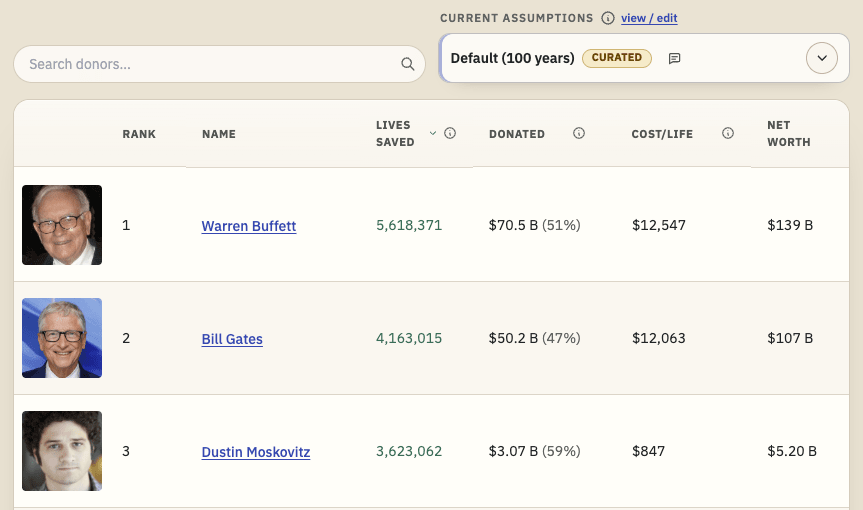
It is wonderful that this happens, to be clear. It is wonderful that the charities doing very important work get to have more stable financial projections, year over year. But as an individual small donor, the feeling I get now is that I am not actually giving to the Against Malaria Foundation. Instead, I am subsidizing tech billionaire Dustin Moskovitz, and Coefficient Giving.
As an effective altruist, is this what I think is the most efficient thing to do? In my heart of hearts, I don't think it is.
In my previous reflection from two years ago, I wrote:
I remember a lot of DIY spirit in the early EA days - the idea that people in the community are smart and capable of thinking about charities and evaluating them, by themselves or with their friends or meetup groups.
Nowadays the community has more professional and specialized programs and organizations for that, which is very much a positive, but I feel like has consequently led to some learned helplessness for those not in those organizations.
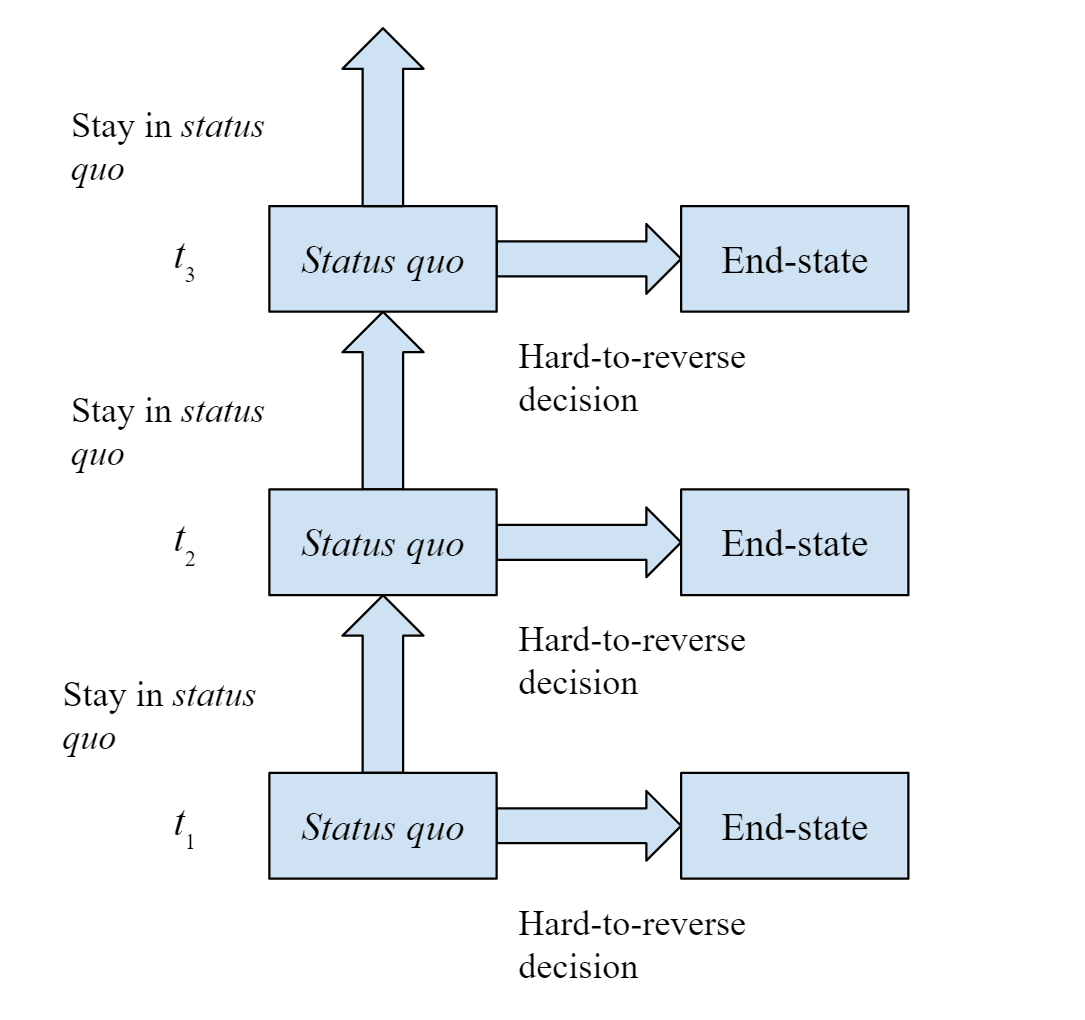
Now, I am feeling increasingly dismayed by the learned helplessness and the values lock-in of the community as-is. If the GiveWell-recommended charities are no longer neglected, they should really no longer be in the purview of EA, no? And soon there will be an even larger money cannon aimed at them, making them even less neglected, so...
What am I trying to say?
I suppose I wish there were still an active contingent of EAs who don't feel a sense of learned helplessness, and who are still comfortable trawling through databases and putting together their own cost-benefit analyses of potential orgs to support. I wish the EA forums was a place where I can search up "Sudan" or "Gaza", "Solar adoption" or "fertility tech" or things that are entirely off my radar due to their neglectedness, and find spreadsheets compiled by thoughtful people who are careful to flag their key uncertainties.
Of course, this is work I can begin do by myself, and I am doing it to some degree. I've looked through a bunch of annual reports for Palestinian aid charities, I've run meetups teaching my rationalist group how to trawl through tax databases for non-profit filings and what numbers to look for.
But my mind goes to a conversation I had with Mario Gibney, who runs the AI safety hub in Toronto. I told him that I didn't think I could actually do AI safety policy full time, despite being well suited to it on paper. It simply seemed too depressing to face the threat of extinction day in and day out. I'd flame out in a year.
And he said to me, you know, I can see why you would feel that way if you're thinking of working by yourself at home. But it really doesn't feel that way in the office. When you are always surrounded by other people who are doing the work, and you know you are not alone in having the values you have, and progress is being made, it's easier to be more optimistic than despondent about the future.
So yes, I can do the work in trying to evaluate possible new cause areas. It is easier to do than ever because of the LLMs. But it really doesn't feel like the current EA community is interested in supporting such things, which leads me to that same sense of despondency.
This is compounded by the fact that nature of picking low-hanging fruit is that as you pick them, the ones that are left on the tree get increasingly higher up and difficult to reach. And this incurs skepticism that I'm not entirely sure is merited.
I expect that, when we look for new cause areas, they will be worse on some axes than the established ones. But isn't that kind of the point, and a cause for celebration? The ITN framework says "yes, global warming seems quite bad, but since there is already a lot of attention there, we're going to focus on problems that are less bad, but individuals can make more of a marginal difference on". If the GiveWell-recommended charities are no longer neglected, it means we have fixed an area of civilizational inadequacy. But it also means that we need to move on, and look for the next worst source of it.
I genuinely don't know which current cause areas still pass the ITN evaluation framework. I have a sense that the standard GiveWell charities no longer do, which is why I have not yeeted my donation to the Against Malaria Foundation. I no longer have a sense that I am maximizing marginal impact by doing so.
So what am I to do? One thing I'm considering is simply funding my own direct work. I run weekly meetups, I'm good at it, and it has directly led to more good things in the world: more donations to EA charities, more people doing effective work at EA orgs. If I can continue to do this work without depending on external funding, that saves me a bunch of hassle and allows me to do good things that might be illegible to institutional funders.
But I'm very suspicious of the convergence between this thing I love to do, and it being actually the best and most effective marginal use of my money. So I have not yet touched that savings account for this purpose.
More importantly, I feel like it sidesteps the question I still want to answer most: where do I give, to save a human life at the lowest cost? How can I save lives that wouldn't otherwise be saved?
There is lots of different stuff here:
I find that many EAs don't know about that last point. This gap exists for somewhat reputational reasons. It's seen as a little bit reputationally gauche for a large philanthropist to donate to a fundraising organisation (rather than the thing the fundraising organisation is fundraising for). Moreso for things with lower multipliers. CG will only take the mild reputational hit of it for things with a high enough multiplier, because CG is watching its reputation carefully. If you as a person do not care one bit about possible reputational consequences of being seen to be paying a fundraiser, just about how many lives you can save with your cash, then it's a great donation area choice.
It's a bit like paying your own direct work costs, but divorced from yourself as the person running the things.
Some more details here: https://coefficientgiving.org/research/reflecting-on-our-recent-effective-giving-rfp/
thank you, I appreciate the clarifying response!