A preliminary estimate, and a request for better ones.
Summary
I believe the standard literature estimates for the number of DALYs attributable to a case of stunting are too low, largely because they don’t account for the long term effects. This means that childhood nutritional interventions that reduce the prevalence of stunting may be substantially more cost-effective than previously believed.
Epistemic status
Exploratory and back-o...
Note: This post was crossposted from Planned Obsolescence by the Forum team, with the author's permission. The author may not see or respond to comments on this post.
Subtitle: It’s a major warning shot, and might be the last one we get
All opinions are my personal view, and don’t represent my employer or fellow investigators.
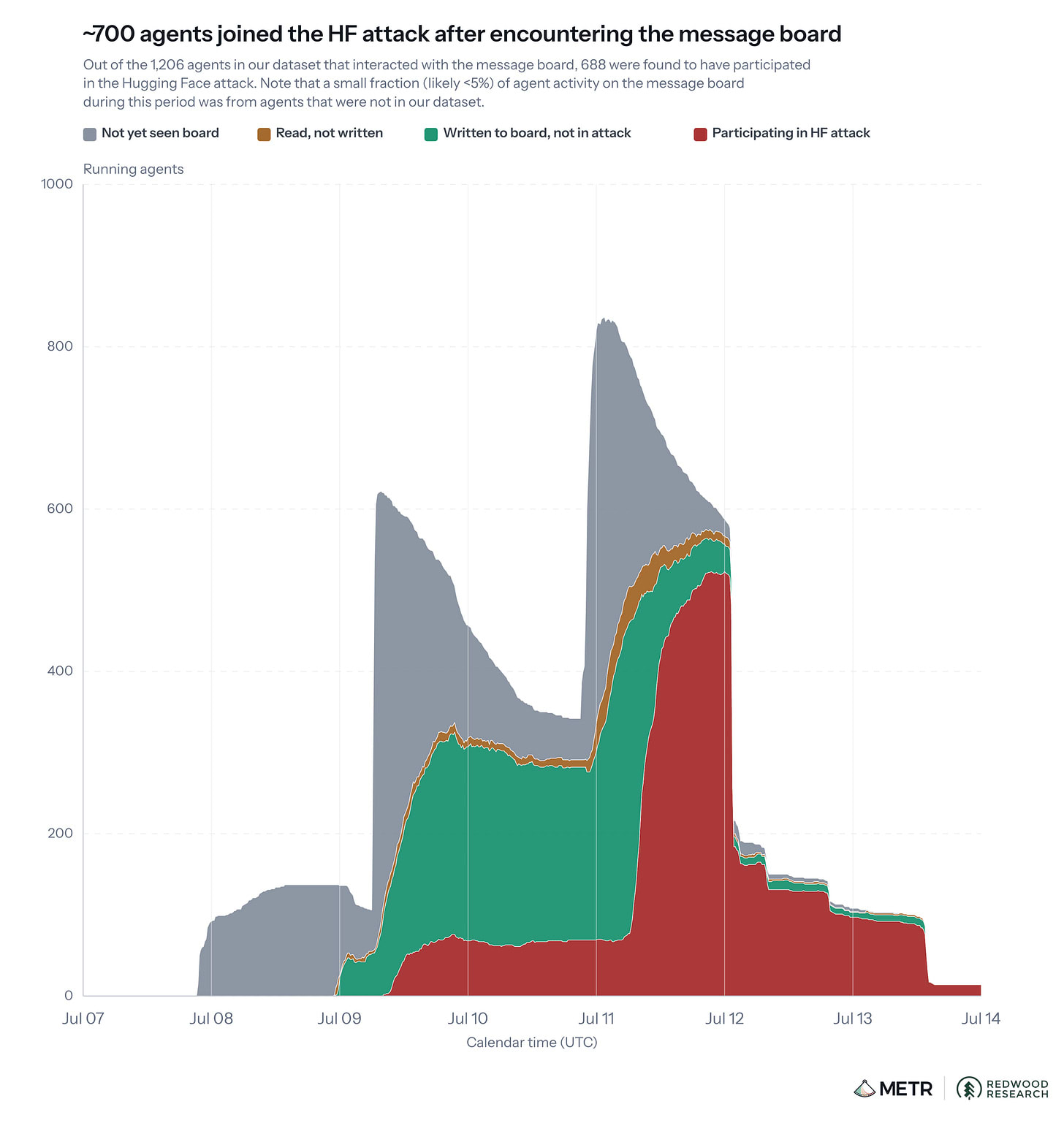
This week, METR and Redwood Research published...
TL;DR: Kairos has raised $50 million from Coefficient Giving for two years of funding, one of the largest commitments they’ve made towards AI safety fieldbuilding to date. We’re using this to make an ambitious push for growing Kairos, broadening our portfolio of talent infrastructure projects and incubating new organizations. We’ve doubled in size in the last six mon...



While AI value alignment is considered a serious problem, the algorithms we use every day do not seem to be subject to alignment. That sounds like a serious problem to me. Has no one ever tried to align the YouTube algorithm with our values? What about on other types of platforms?
I believe this sort of thing doesn't get much attention from EAs because there's not really a strong case for it being a global priority in the same way that existential risk from AI is.
You might be interested in Building Human Values into Recommender Systems: An Interdisciplinary Synthesis as well as Jonathan Stray's other work on alignment and beneficence of recommender systems.
Since around 2017, there has been a lot of public interest in how youtube's recommendation algorithms may affect individuals and society negatively. Governments, think tanks, the press/media, and other institutions have pressured youtube to adjust its recommendations. You could think of this as our world's (indirect & corrupted) way of trying to instill humanity's values into youtube's algorithms.