Comments

Tl;dr: Community building surprised me in ways no job description captured. I became the movement’s informal confidant and an accidental gatekeeper, discovered I’m an introvert in one of the most social jobs around, and gained far more career capital than I expected. The impact is real but often invisible, which makes the work hard to fundraise for. Knowing all this, I’d still choose it again.
Over four years ago, I co-founded Hive, a free global community of over 6,000 farmed animal advocates across 100+ countries. I recently handed it over to a new Executive Director, so I have been reflecting on what the role turned out to be. Some of it I expected. A lot of it I did not.
One caveat before the list: I deliberately built a personal brand alongside Hive through weekly LinkedIn posts and the EA Forum, even before Hive, and recently through my Substack. Some of what follows is amplified by that choice, so adjust accordingly if you plan to stay quieter.
Here are 14 things I did not expect.
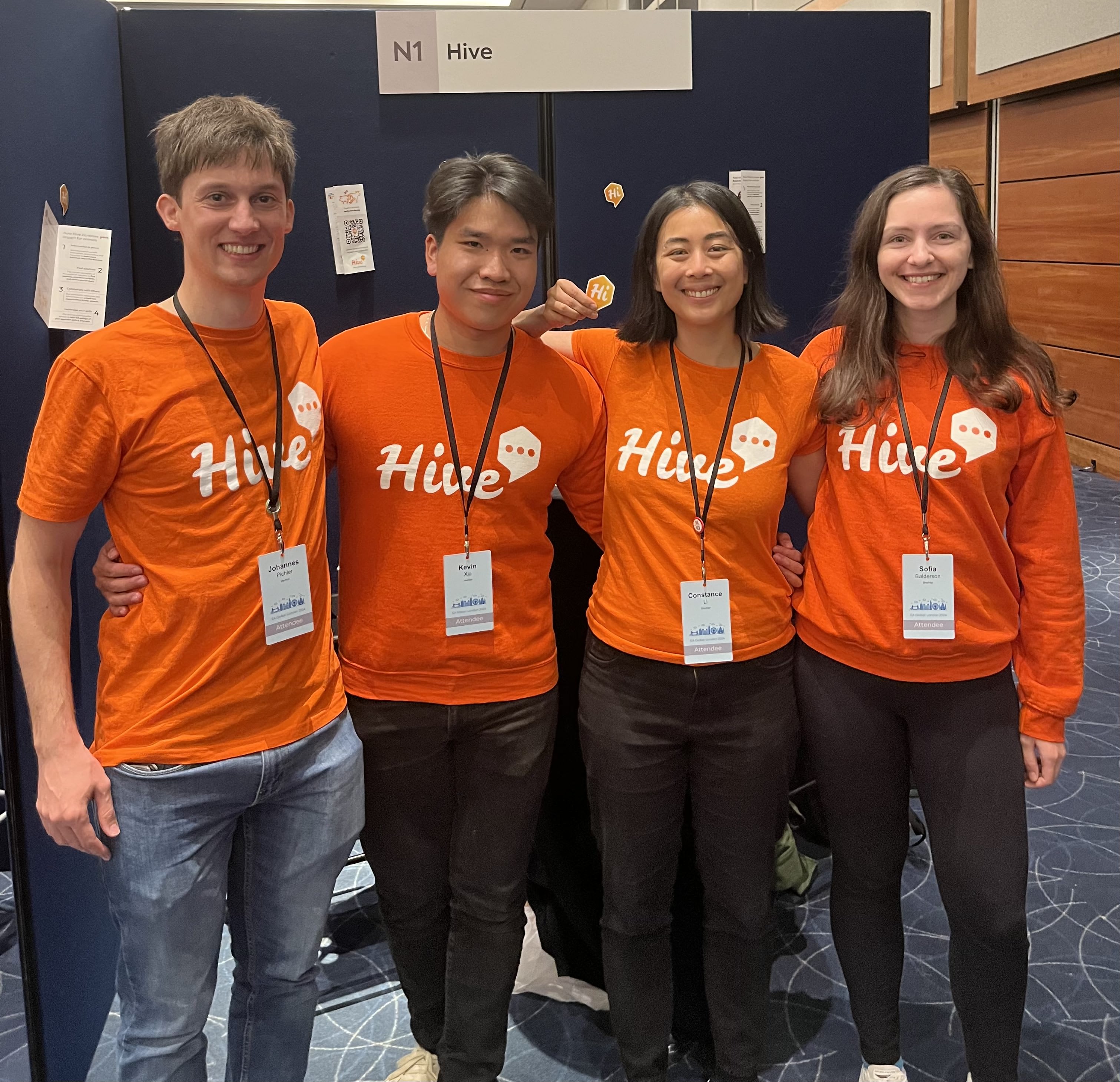
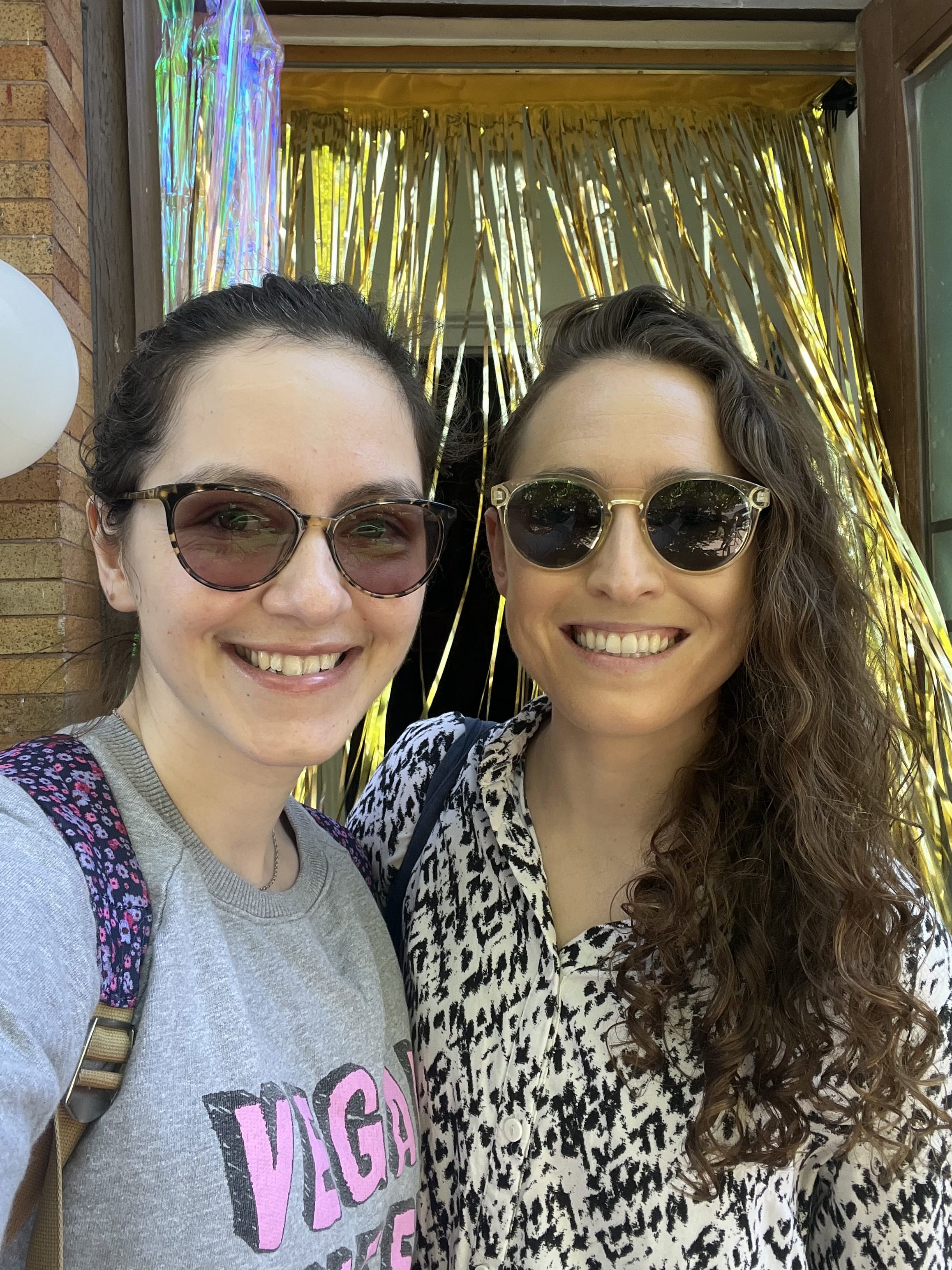
1. More people know you than you know them. This creates awkward moments at conferences: someone walks up and hugs you, and you have no idea who they are. This is especially true in online communities, where people often don't look like their profile pictures. At first, I had a bit of anxiety about this because I put a lot of pressure on myself to know everyone, until one of the community members pointed out to me that I can’t know 1000s of people at the same time. I have learned to politely ask someone to remind me of their name and hug them back. At first I thought this was kind of rude, but people are very nice about it.
2. You know a bit about everything and feel deep in a few topics only. I know most of what is going on in the movement and can connect dots across it, which is the job. But outside my own areas- community building, meta work and running an org- I lack depth, and in conversations with specialists, I can feel alienated. Writing this, it sounds silly to expect myself to know every topic deeply; most people specialise. However, as a community builder, the better you understand the topics, the better you can connect people. I have improved, mostly by accepting that being the person who can ask experts in each area is enough. I have also set aside two hours a week to learn more about the topics I wanted to understand better.
3. You become the movement’s informal confidant. Because you are visible and trusted, people bring you their burnout, their conflicts and their career doubts. It is a privilege. It is also a lot of confidential weight with nowhere to put it. I have found great help in CEA’s community health team, both for pointing community members to them and for asking them for advice. But often you can’t solve people’s problems because the solutions are outside your control, and it’s hard to sit with.
4. You become a gatekeeper whether you want to or not. Deciding who gets platformed, featured, or recommended in your community’s comms becomes real power, and saying no is its own kind of hard work. Even “we stay neutral” is a position people will push on.
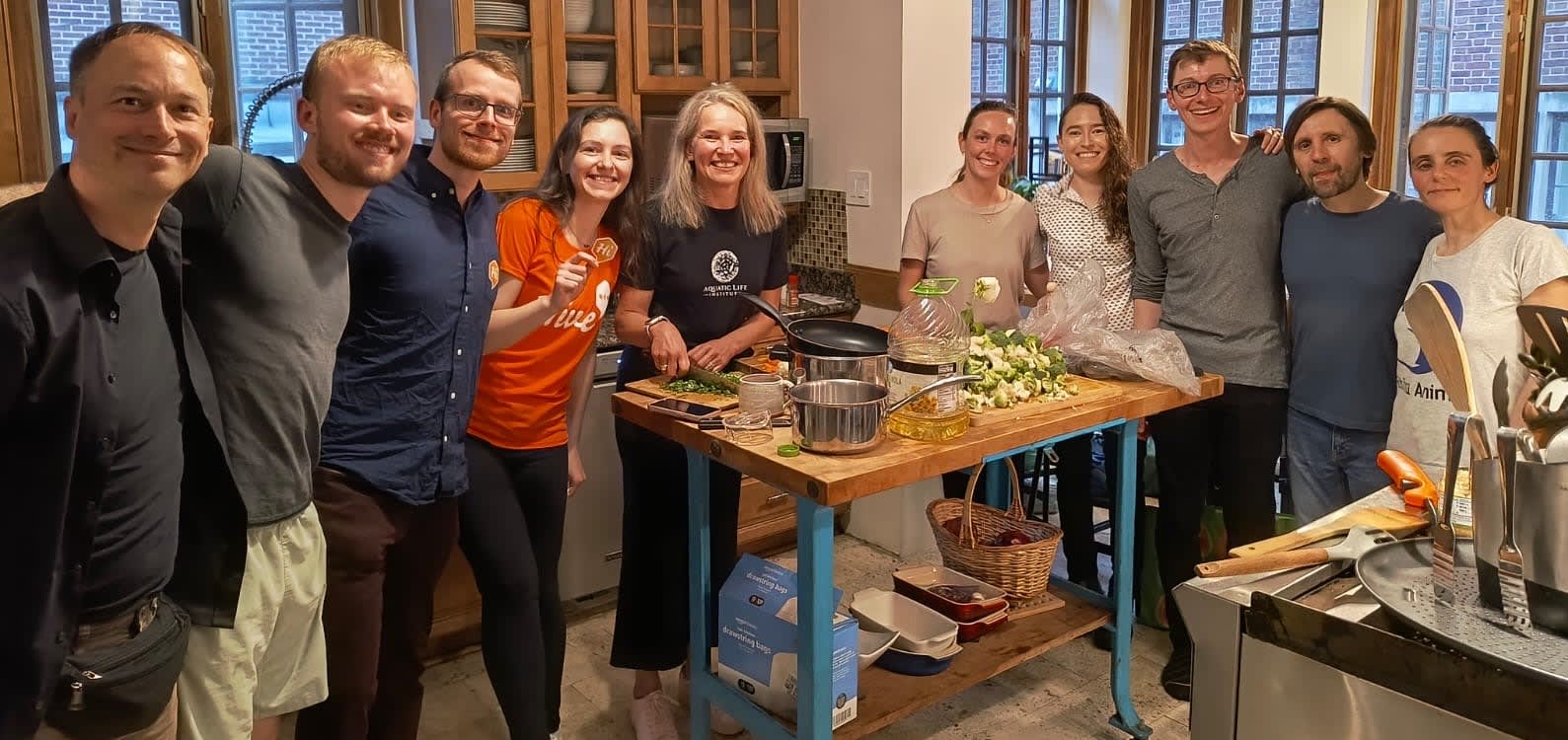
5. The people in your community are also your applicants. We have largely avoided this by running closed rounds, but we still rejected a few people. When you reject someone in a hiring round, they stay in the Slack. Managing those relationships after a no is a skill, especially if you do a lot of open rounds.
6. There was less drama than I expected, but what came was hard. One of my biggest fears with running a growing community was drama. Most of it never came because we set very clear guidelines and culture. However, the first time we banned someone was emotionally difficult, far more than I would have guessed. What’s interesting is that community incidents usually come out of nowhere and can escalate quickly, sometimes on weekends. Dealing with it also tends to take much more time than you’d think.
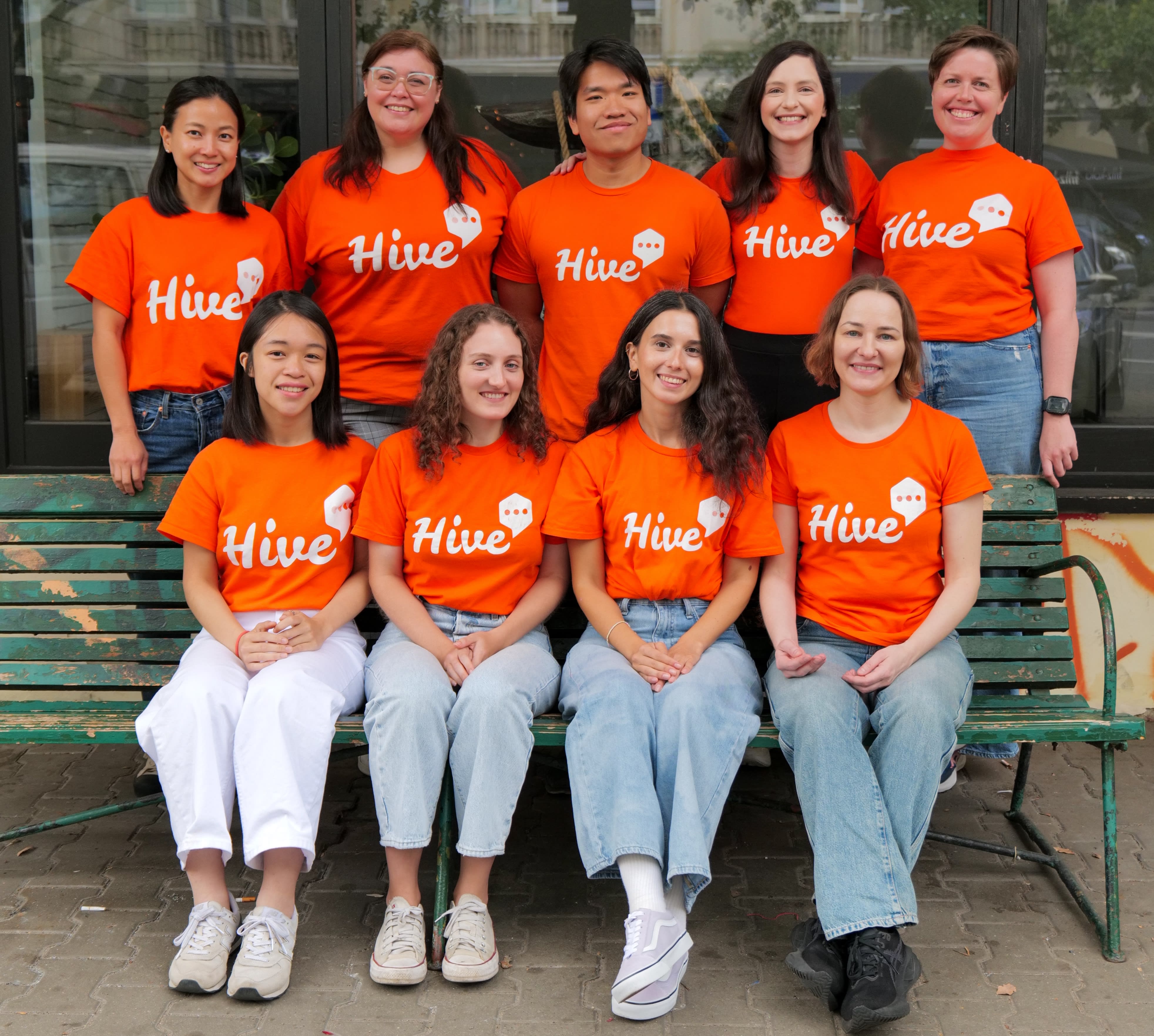
7. Community building is talent work. The most satisfying part of the job has been watching people new to the movement take on impactful roles and enjoy them (over 320 people have reported impactful projects/roles and counting!). If developing people energises you, this is the job.
8. Collecting impact was easier than I feared and muddier than I hoped. At the start, I did not even know how we would measure anything. We ended up finding out a lot about how we create impact, especially through talent outcomes. But a good chunk of it stays invisible: the intro that led to a hire two years later but never told you, the lurker who changed careers without ever posting, the talented people who stay in the movement because of the space you created. Very often, hiring managers don’t know where the hire came from (if you are a hiring manager, a nudge to include a referral question in your application form!). Sometimes multiple meta organisations affect the hiree's journey, and it’s hard to tell whether you played an essential or important role. You will never see the full picture, and that cuts both ways for motivation and fundraising. I know some people who quit community building because they wanted clearer, faster and more direct impact. I’ve recently written about what we’ve learned about measuring our impact here.
9. It can be hard to raise money for. Community building is not direct work, and funders want attribution. When a campaign wins, the campaigning org gets the credit, even if your community found the campaigner. In 2025, we ran a community fundraiser hoping members would donate $5+ a month, but we found it very hard to raise money this way. I expect the AI windfall environment will ease this somewhat, but the attribution problem will stay.
10. Running the org can eat the community building. As the organisation grows, managing people, fundraising, and operations can take more time than the work you started for. Org running is always a priority, so if you love community building, you have to protect it deliberately. If you’d like to read more about what my day as Hive’s Executive Director looked like in 2025, check it out!
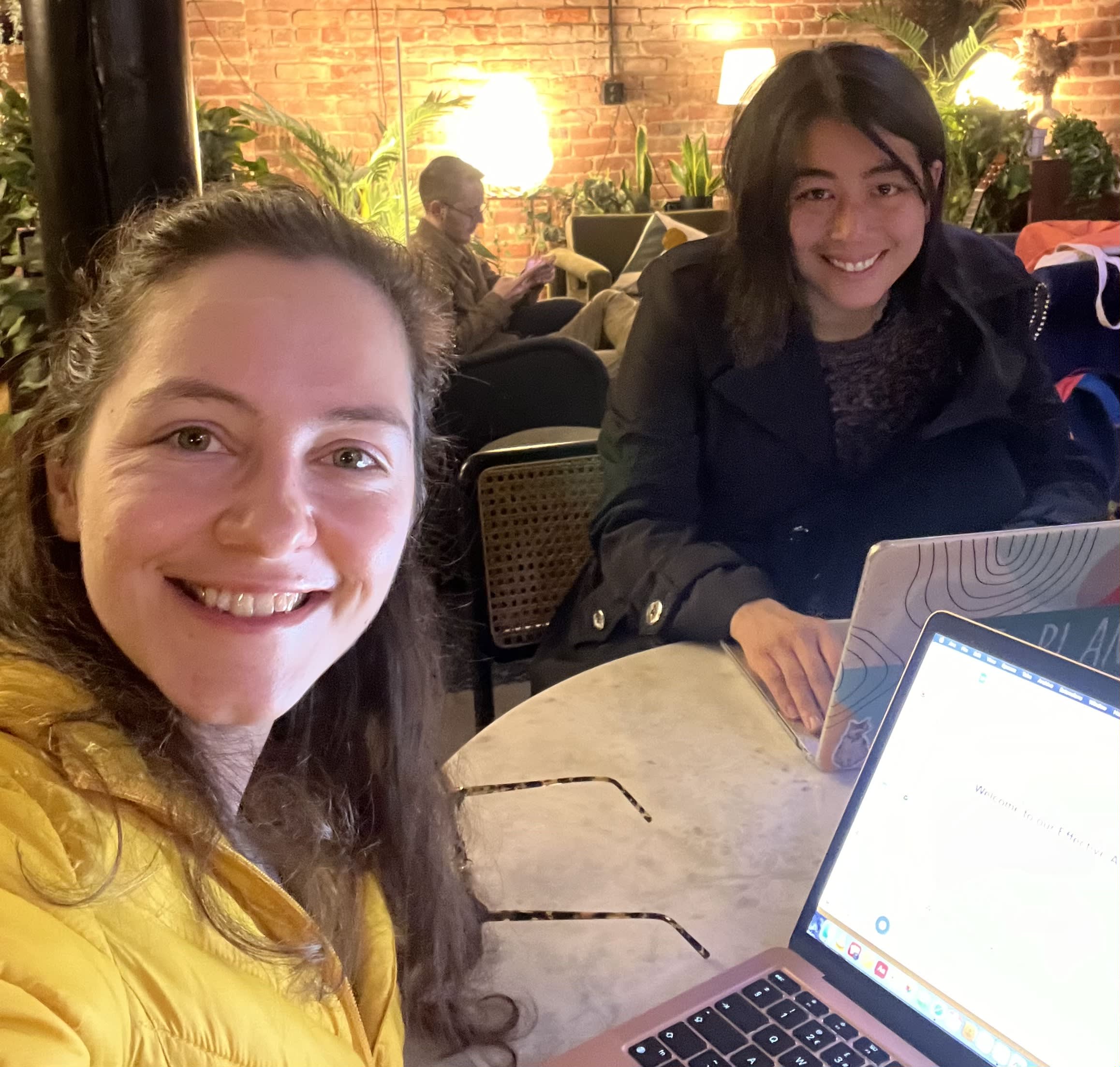
11. The career capital amazed me. When I first moved to Hive full-time on a limited grant conditional on showing impact, I told myself that, worst case, if Hive failed, I’d at least built a decent network. That turned out to be true: community building is public-facing work, so your reputation compounds quickly. What I didn’t anticipate, even after four years, was how many doors would open the moment I decided to leave. I also didn’t expect community building to sharpen my analytical thinking and judgment. You’re constantly assessing projects and people, deciding where to point them and whether to recommend them for closed hiring rounds. Knowing who does what in the movement also shows you what’s missing, which is what led me to launch our recent RFP on movement infrastructure in partnership with Kickstarting for Good. I got so deep into the nitty-gritty of management that I ended up writing extensively about it on my Substack and launching my executive coaching offering.
12. The community attaches to you personally, which complicates leaving. A personal brand is great for growth, but it makes succession harder. Trust does not transfer to the org and the next leader on its own. You have to hand it over as deliberately as you hand over the role. This tests our current leadership transition.
13. Your beneficiaries and colleagues are also your friends, so work and life blend. It became hard to count my working hours: I was hanging out with community members, enjoying myself with a friend while casually career-advising them and collecting impact stories over dinner. This is great if you don’t mind mixing work with leisure, but it won’t suit people who want firmer boundaries.
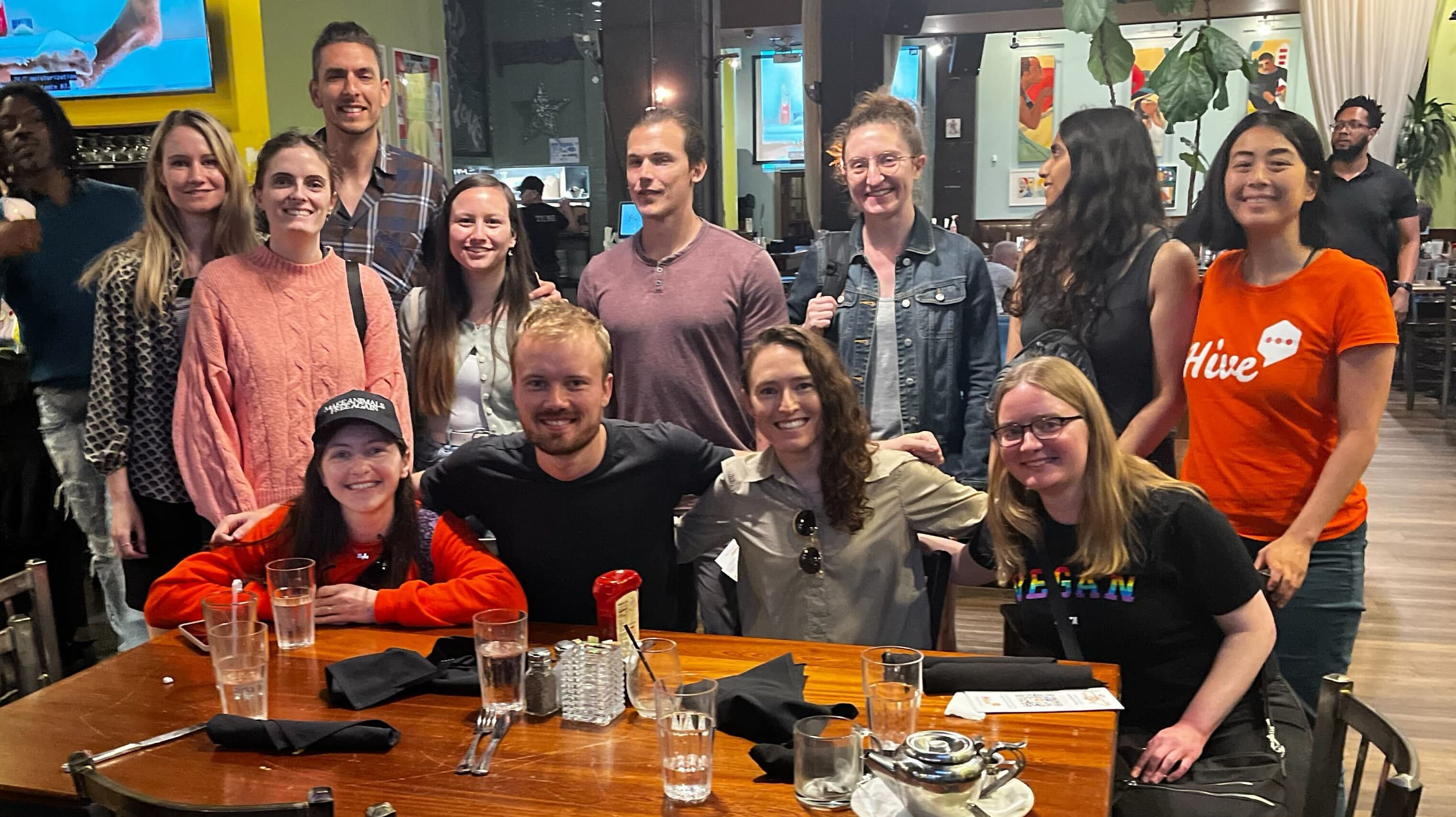
14. You can be an introvert as a community builder, but you need good self-knowledge and boundaries. Halfway through my tenure at Hive, I realised I was an introvert, a socially adapted one, which is why it took me so long to notice. The clue was that I regularly crashed after 3-4 day conferences packed with back-to-back 1:1s, afterparties and 6-8 calls a day. Thankfully, Hive mostly operates online, so I could hide behind a keyboard and handle messages on my own time. But I had to redesign my in-person engagement: build in breaks and learn my limits for multi-day events (see my recent post about it here). These days I cap calls at 4 hours a day and keep 1-2 days call-free for focused work. A community builder doesn’t need extroversion: they need to be approachable, engaging, friendly, and good at asking questions.
Conclusion
If I could go back to 2022 and choose community building again, would I? I think I would, because the benefits outweigh the challenges for me, and I'm obviously very happy Hive exists. Despite the hard parts, I have enjoyed it immensely, and this is hands down the work I’m most proud of in my life. I have learned way more than I expected to and feel very happy to have worked alongside the amazing people on the Hive team and our inspiring community members.
If you are considering community building, go in knowing it is talent and trust work and, as you grow, org work.
If you have built a community, what surprised you? I would love to hear it.
Hi, I’m Sofia Balderson. I co-founded Hive, a global community for people working to end factory farming. This is a link post from my Substack, Notes from the Margin to share the messier, more personal reflections that don’t fit in formal updates. If you care about leading, belonging, or building something that matters (especially from the edges), feel free to subscribe here.