Comments
TL;DR: Treat noise as your main drain, not people. Have shorter days; book one meeting per hour. Stay within a 15-minute walk of the venue. Have scripts ready for saying no, and ignore the extrovert playbook.
You may be like me: enjoy meeting people, and love talking about EA, and still find conferences overwhelming. I'm a socially adapted introvert: 1:1s give me content ideas and some of my best meetings, but long days in loud rooms flatten me.
I've written before about how to enjoy a conference without burning out. That post covers pacing for everyone: limits, prime time, priorities, breaks. This one is for introverts and the noise-sensitive, based on what I changed at EAG New York this October, which I attended straight after a three-day retreat. It worked: my energy held through both, which rarely happens.
Disclaimer: all introverts are different, so take what works for you and leave what doesn't.
For a long time, I assumed conversations were what drained me. For me, it's mostly sound. One good 1:1 in a quiet corner costs far less than ten minutes in a packed networking room. Once I separated the two, conferences got much easier. Some things that follow from this:
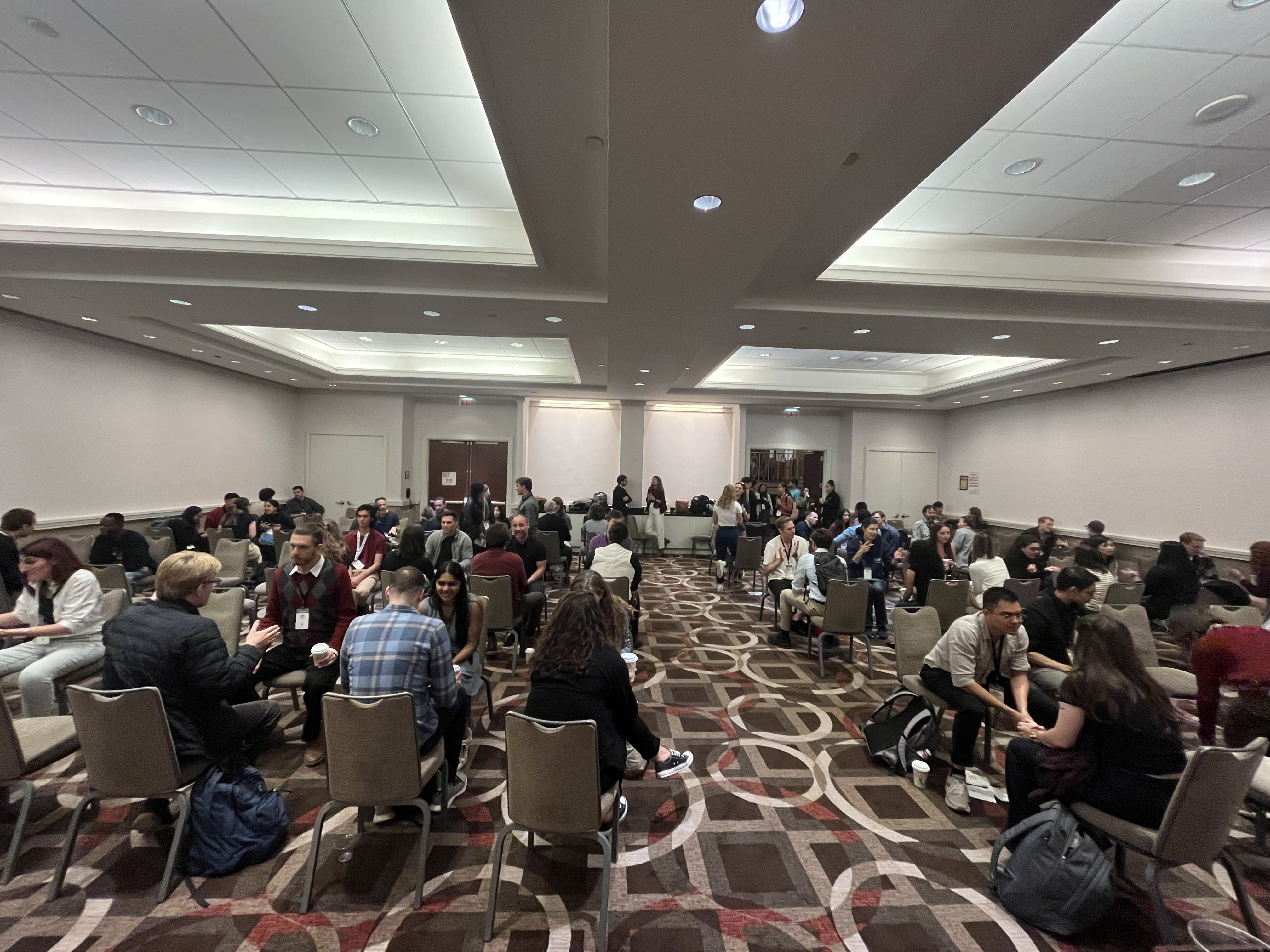
Skip the official networking sessions. At EAGs, these are often hosted in small rooms, which makes them extremely loud. I feel like a hypocrite writing this as I've hosted so many of them!
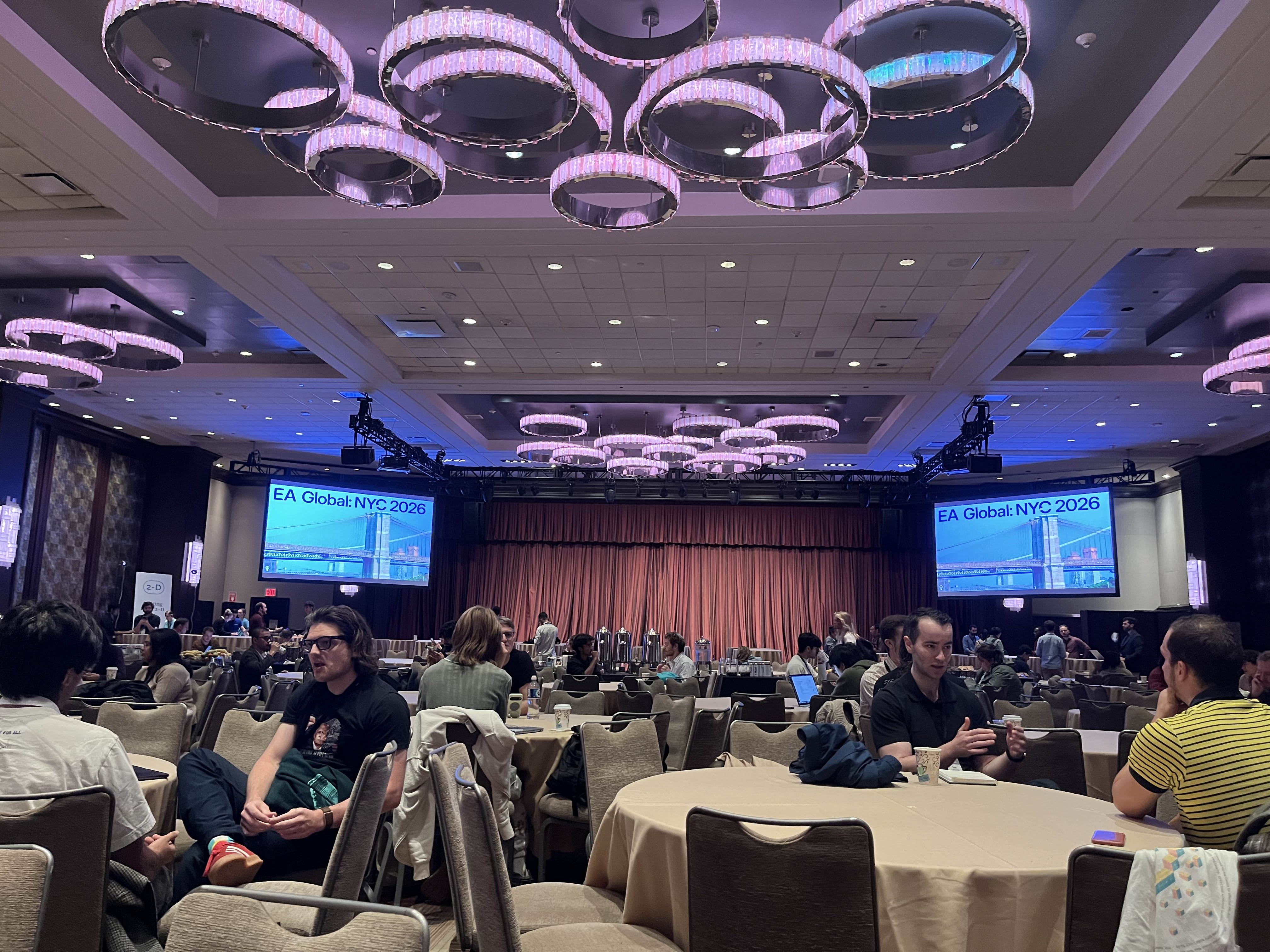
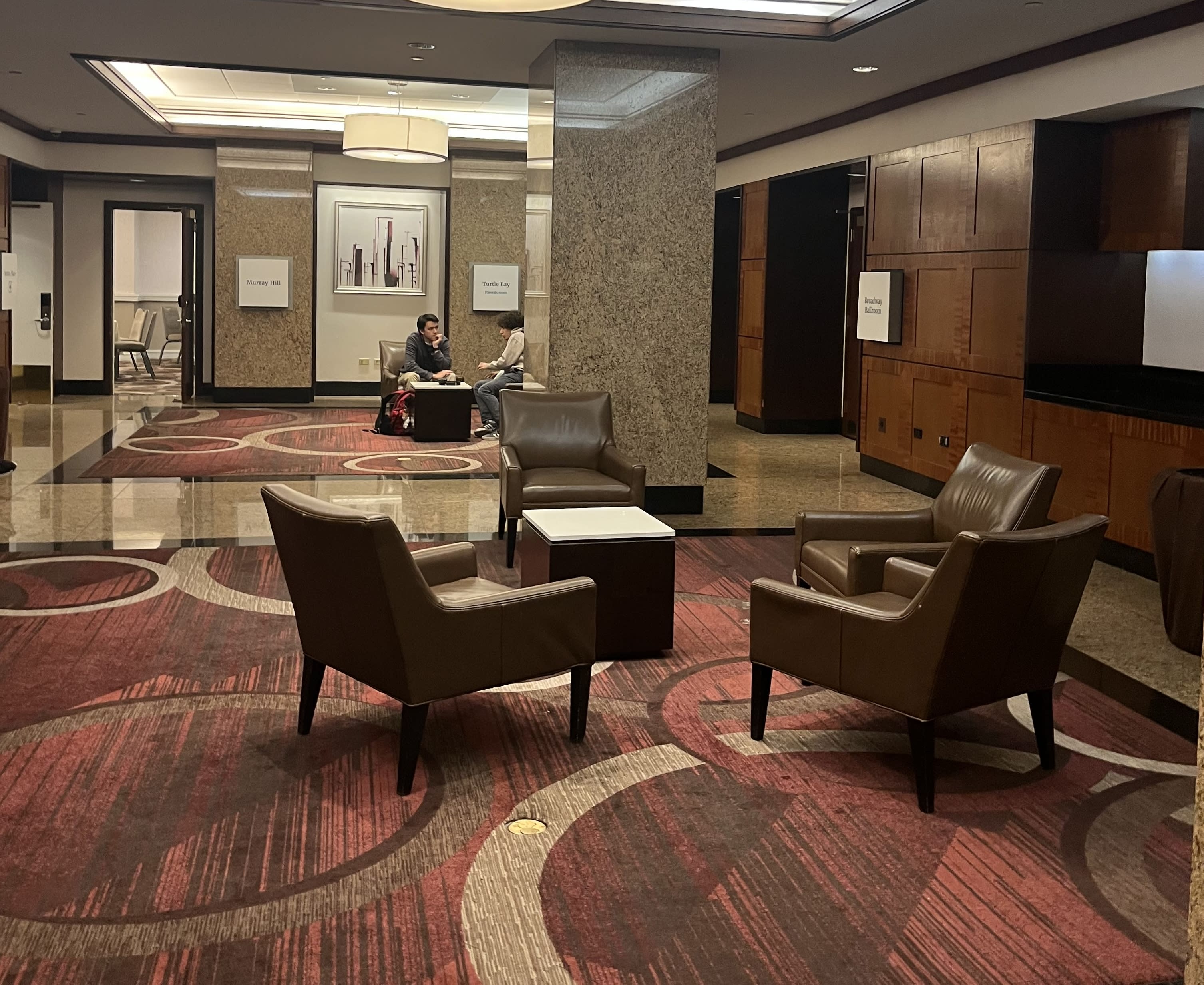
Scout the venue for nooks. Most venues have small clusters of chairs near stairwells or away from the main areas. I've found plenty, and they make 1:1s far less draining than the designated meeting points. Even a 5-minute walk to a quieter space is worth it.
My burnout post covers general pacing, so here I'll only add what I've changed since:
If your budget allows, book accommodation within a 15-minute walk of the venue. My instinct is to always save money, so I stayed within a 20-minute subway ride (and I know plenty of people who stayed in Brooklyn and further). Another leader gave me this tip to stay within walking distance, which was more expensive than my room, but for her it was worth it. When you stay further away, you tend to arrive early, leave late, and have limited spaces to retreat to solitude in between. Being able to pop back to your room between meetings or take a longer break in bed can change the whole day and, in turn, influence how many consecutive days you can do and how you show up for work after the conference.
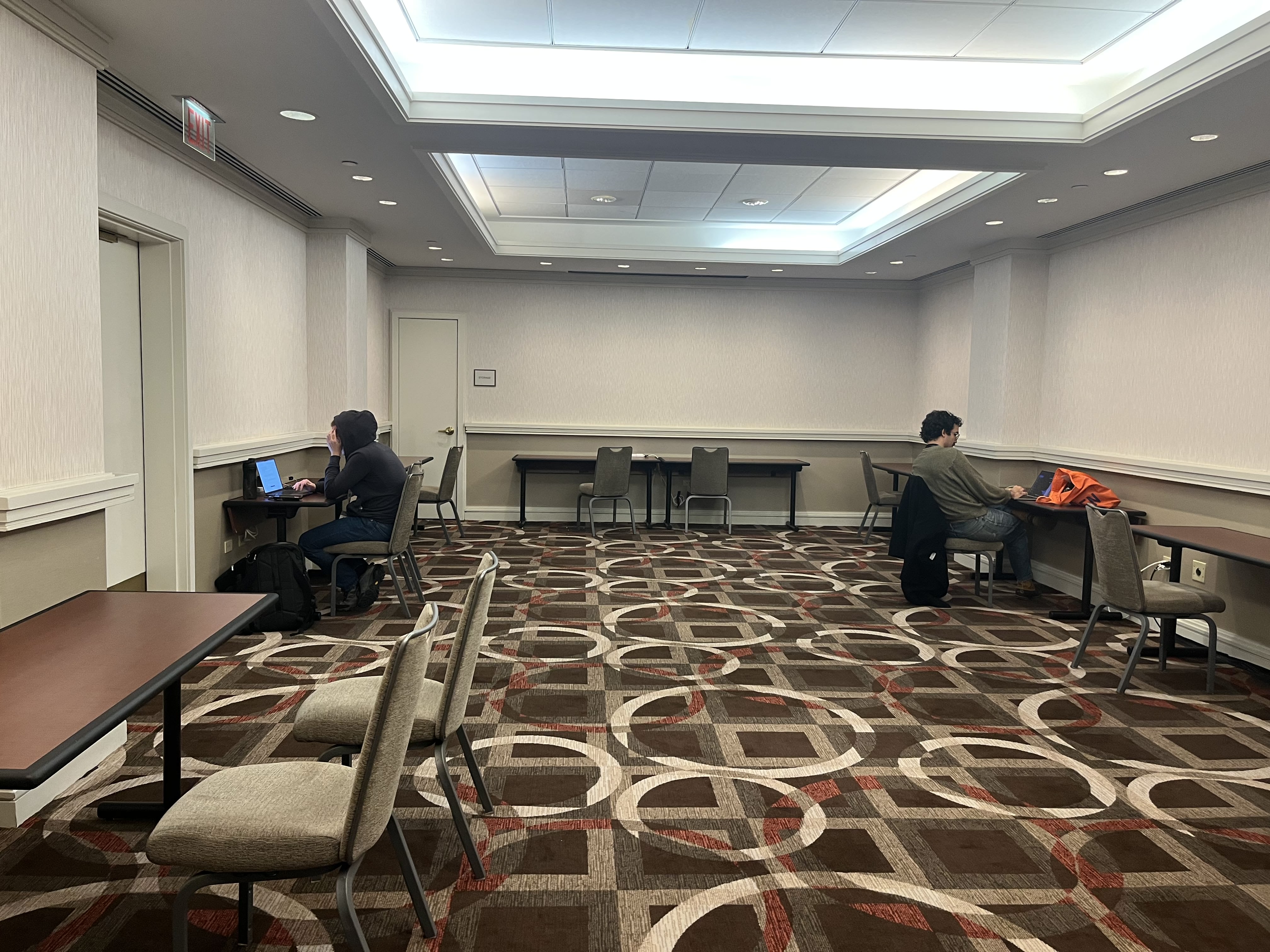
If that's out of budget, the quiet room and quiet coworking room do a lot of the same job for free. I've used both heavily, and they're the main reason my energy held up.
Declining is hardest in the moment, when someone has just bumped into you, and your break is slipping away. Having a few lines pre-prepared removes the decision fatigue. The ones I use:
None of these is impolite, and online follow-ups are a legitimate alternative. Yes, some of them fall through, but that's not a reason to take more in-person meetings than you can handle. Agreeing to a meeting you don't have the energy for does neither of you any favours.
Some people will tell you the real value is in the parties and late-night events. For some people, they are. But if the music means you can't hear anyone and have to shout to get two words in, you're paying a high energy cost for low-quality conversations. I've stopped going, and I've stopped apologising for it.
The same goes for meeting volume. Someone told me they only did six 1:1s across a whole conference, plus a few talks, and my reaction was: good for you. If you're strategic about who you meet, that can be plenty. Showing up well for six meetings beats showing up drained for twenty.
Run the conference on your terms, and don't be afraid to ask for what you need. The pressure to squeeze everything in just because you travelled there is real, but it optimises for the wrong thing. I know introverts who stopped attending conferences altogether because they found them too overwhelming. I still think attending can be impactful, and doing it in your own way can make a big difference.
A conference on your terms is more productive for you than a packed but stressful one. By the end of the conference, I was surprised to feel like I could keep going, and I got the follow-ups done because I had the gaps to do them in. For the general pacing advice that applies to everyone, see my earlier post on how to enjoy a conference without burning out.
If you're an introvert who's found other things that work, I'd love to hear them in the comments.