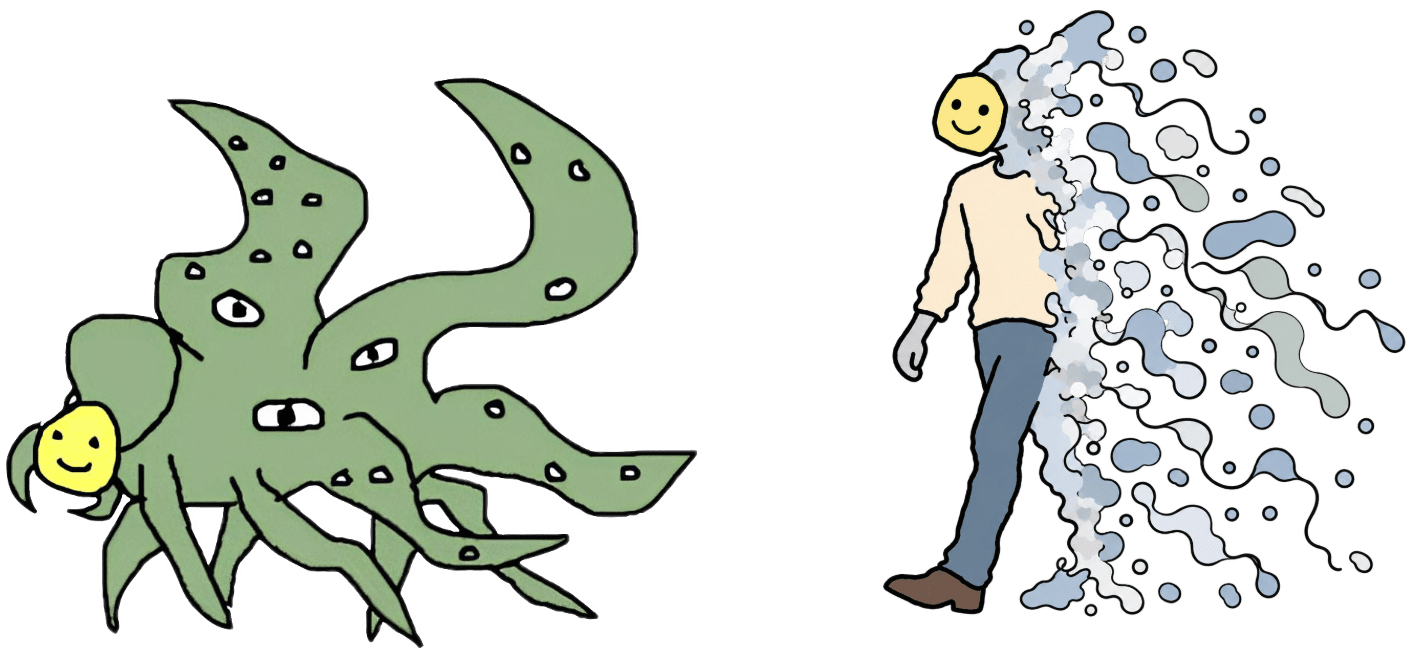
During my early years as a psychologist I received a shocking message. It came from a guy I didn't know, who had followed the social media content I published about self-esteem:
"Thank you for all you are doing. I was about to commit suicide, but you helped me think otherwise".
My first reaction was a feeling of amazement; I was impressed my public thoughts could have such an effect. But soon afterwards, a sense of pressure, urgency and burden started to weigh on me.
"How many people in suffer could I help that I am still not reaching?"
"What if they commit suicide before I am able to aid them?"
"How can I prevent being late for them?"
Suddenly, what had been a free expression of my thoughts became a race to reach as much people, as soon as possible, to prevent them from taking their lives. A race to save them at all cost, even at the expense of my own health and wellbeing.
A responsibility that wasn't mine to bear, but I chose to carry as a heavy burden for months. Until burnout obliged me to release it.
I fear the same is happening with many people in EA right now.
When doing most good became a burden
Compassionate people are more susceptible to forget about their needs while helping others, up to the point of neglecting themselves. What starts as a commitment to doing most good can easily become a sacrifice of oneself in order to maximize impact:
- Conforming to small salaries because "a dollar more for myself is a dollar less to save people's lives".
- Working extensive hours at the verge of burnout because it maximizes positive impact.
- Relinquishing desires such as having a child due to risks of impairing career performance.
Choosing otherwise would seem going against EA's core principle: "Doing most good (to others)". Leading to our careers becoming an impossible choice: Bearing the burden of a commitment to peak impact vs. Feeling the guilt of following selfish needs and desires at the expense of maximum impact.
However, doing most good also includes yourself
You are the most important living being to take care for. You can only give to others if you have given to yourself first. Your desires to an abundant and joyful life are legit. Plus, if you are tired, stressed and dissatisfied, you cannot effectively help others.
Purpose and impact driven motivations last for a while alone.
We should ask ourselves if we are incentivizing sacrifice when selecting candidates and building our organizational culture. Or if instead responsibility, trade-offs management and judicious decisions are the factors we want to prioritise.
They could seem alike on the surface. The long-term results vastly differ.
Beyond sacrifice and saviours
When I first encountered Effective Altruism immediately felt attracted by the mantra of "doing most good", especially through a high-impact career. However, I couldn't avoid remembering those early days as a psychologist feeling the burden of "saving the world from suffering".
The more I've got to know people in EA, the more I've seen this "saviour mindset" reflected in others. It has been a strange mix of excitement and carefulness for the movement since then.
Nowadays, I mostly focus on doing my part through my career. Giving my 100% to help others, but not beyond that.
Reminding myself I am not responsible for other people's suffering. That I have no moral obligation, nor debt, nor owe anything in order to help. But I choose out of freedom to contribute as a moral choice that I enjoy, while taking care of myself.
Maybe, we should think if doing most good would require honouring our selfish needs and desires as well. Balancing and integrating them, to produce maybe a slightly more modest short-term outcome, but a more sustainable and enjoyable impact in the long run.
We are not almighty saviours. Our sacrifice is not needed in order to help others.
We are humans doing the best that we can. And that should be enough.
Love yourself as you love helping those who benefit from your impact.
They would like you to remember that.