Comments
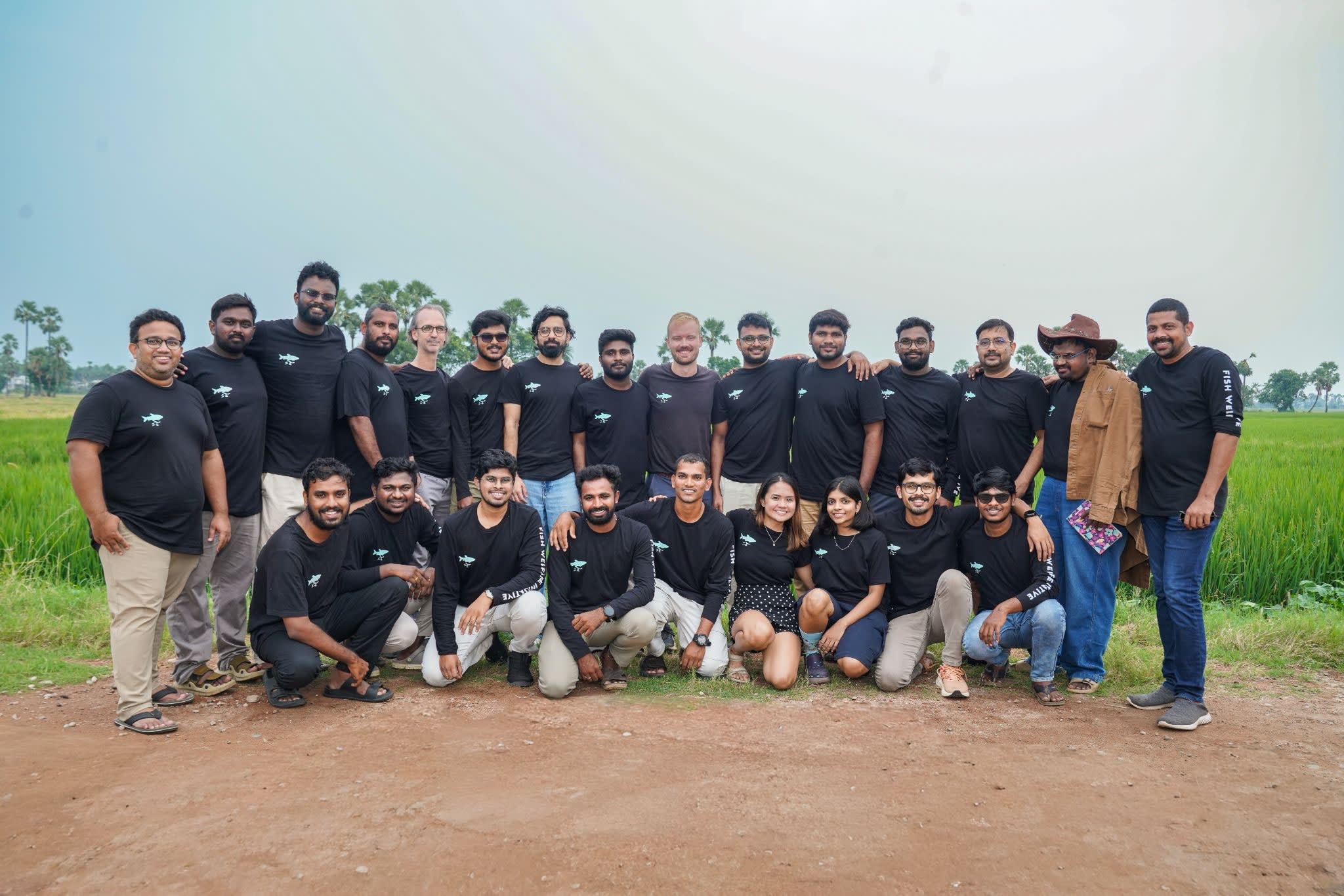
Fish Welfare Initiative (FWI) works to improve the lives of farmed fish as much as possible. We currently operate in India and China, and are considering expanding to a third country in 2027. We work with species and in contexts where there is little prior welfare research, and so we invest significantly in developing new interventions to suit these contexts.
We now have a relatively large funding gap for 2027 (about $500K of our $1M budget). The rest of this post outlines our work in further detail, and also includes our best case against donating.
If you are interested in supporting our work, feel free to reach out or leave any questions below. As always, we also value feedback from the EA community—we’d love to hear which parts of our strategy seem strong, or which parts seem like they have gaps. Thank you!
About Fish Welfare Initiative
For those who aren’t familiar with FWI, the following are the main things to know:
- What We Do: We work to improve the welfare of farmed fish, who, like other animals, suffer significantly under modern farming conditions. Our interventions to date have primarily focused on improving water quality.
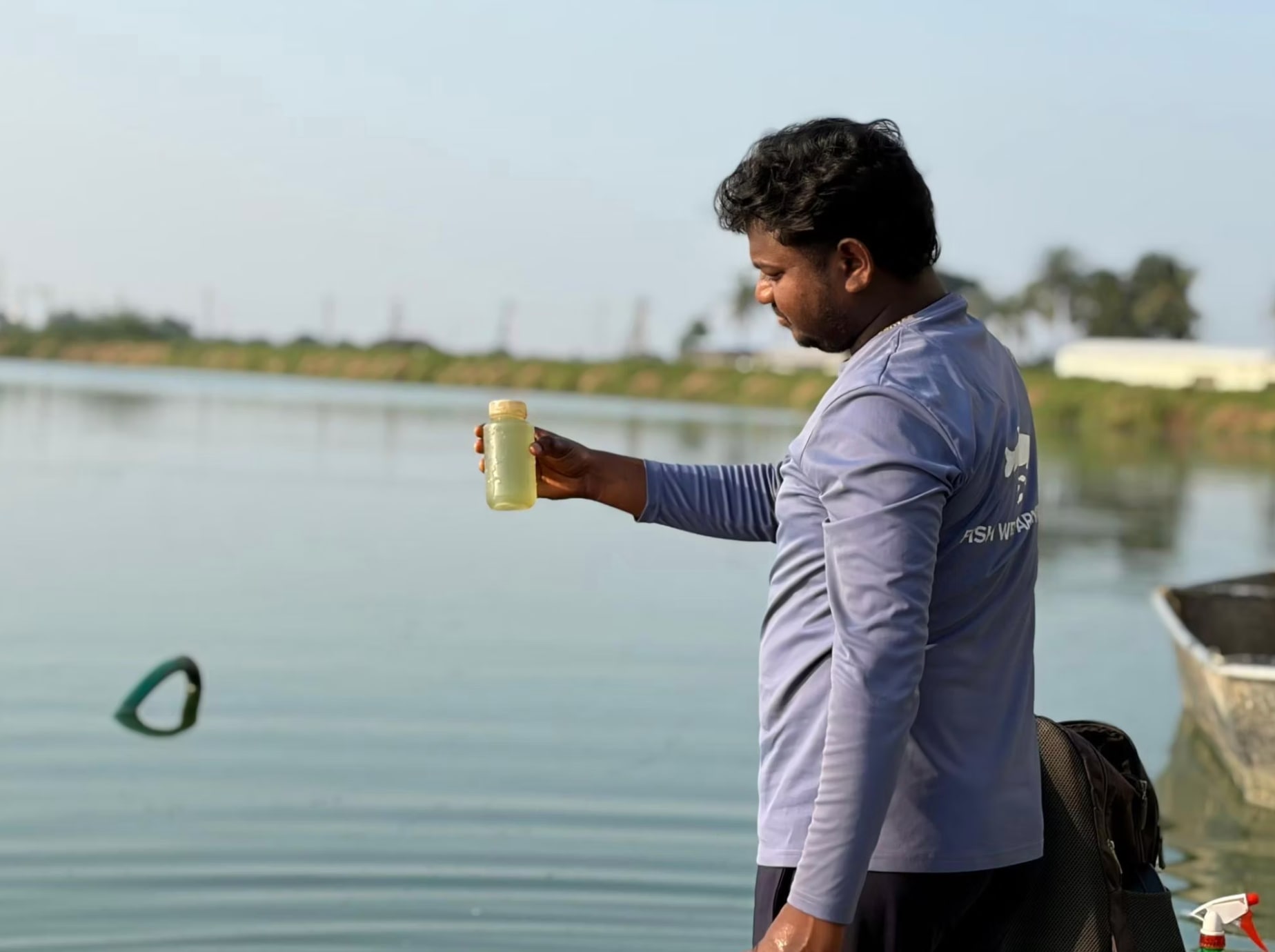
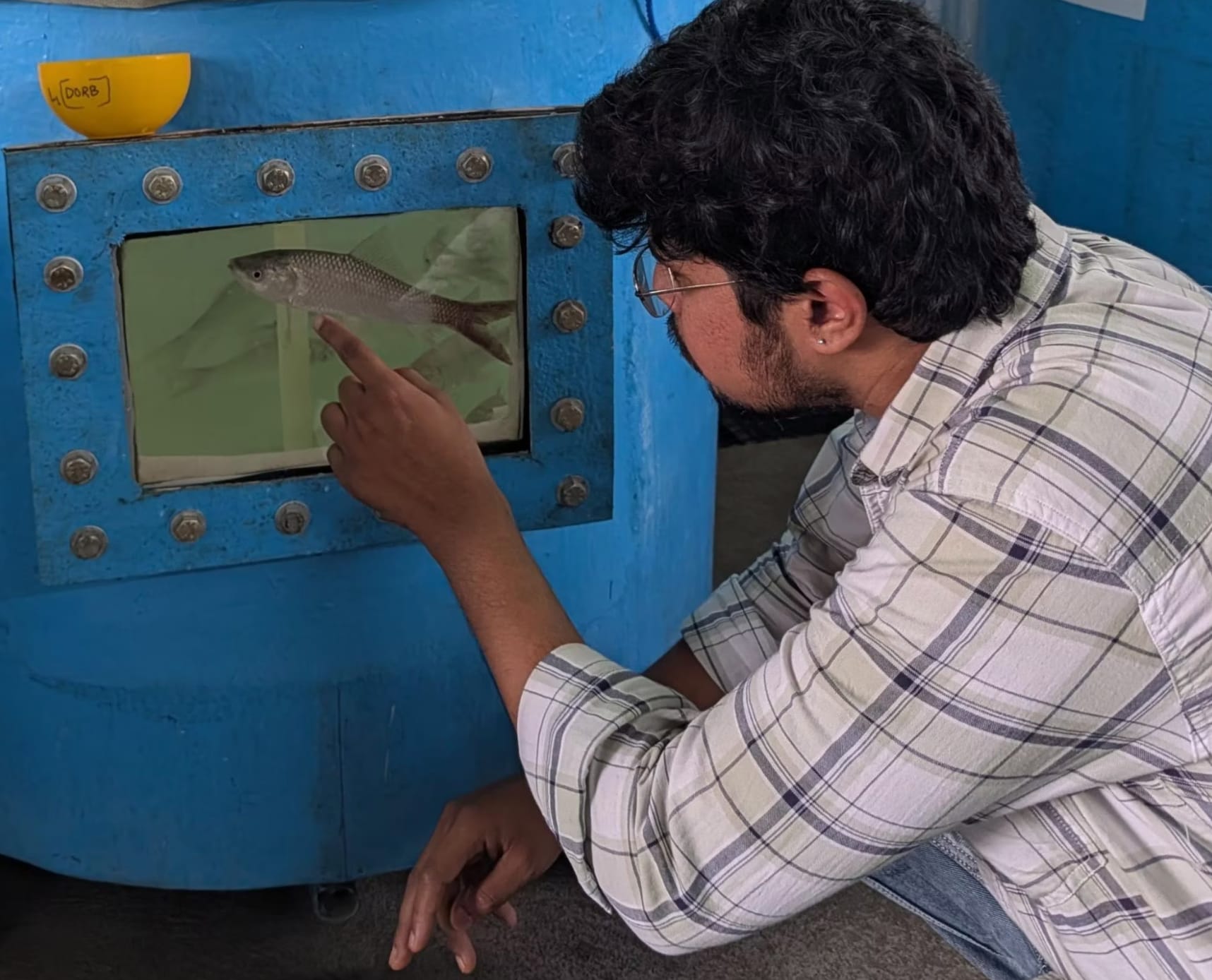
- How We Do It: Compared to most animal advocacy organizations, we believe our programs are unusually “on the ground”—we visit fish farms every day to conduct research and work with farmers to make improvements. We also have a particular focus on developing new interventions, given the novelty of this field.
- Where We Work: We operate in Asia, because this is where about 90% of farmed fish live. To date, we have mostly focused on India, though also with smaller projects in China and the Philippines.
- Where We Came From: Our illustrious founders, Tom and Haven, took part in the first round of the Charity Entrepreneurship Incubation Program, back in 2019. We were both EA student organizers before that, and have no doubt that FWI would not exist if not for the EA community.
You can get more into the weeds of our organization on our website and our blog.
Our Track Record
Since launching in 2019, we have spent about $3.5M, largely received from donors who would have counterfactually given to other very promising opportunities (this is why we try to be mindful about only raising what we need). In this time and with this money, we believe our key accomplishments have been the following:
- Direct Impact: We estimate that we have improved the lives of 5.3M fish*, primarily through water quality improvements via our farm program in India.
- *Note that the magnitude of the welfare benefit to these animals remains somewhat uncertain—we are currently seeking to build a welfare measurement team to address this.
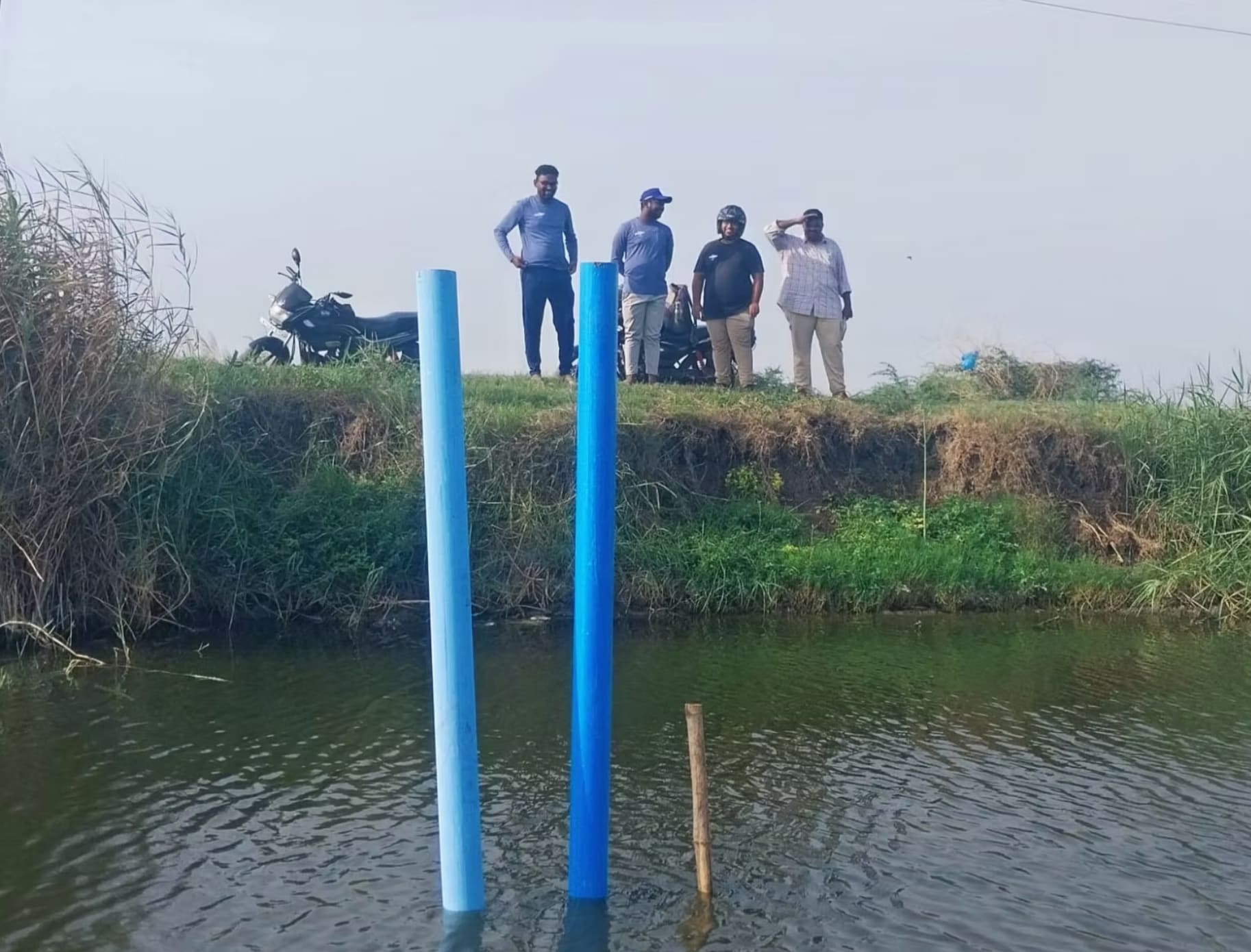
- Intervention R&D: We have conducted various studies over the years to inform interventions to improve farmed fish welfare. For instance, our recent Sentinel Poles study found a promising way for farmers to detect and treat fish lice earlier, and we are now testing it in a multi-month controlled trial. We primarily do these studies to develop better interventions for our own programming, but also hope that other organizations might some day take up our interventions.
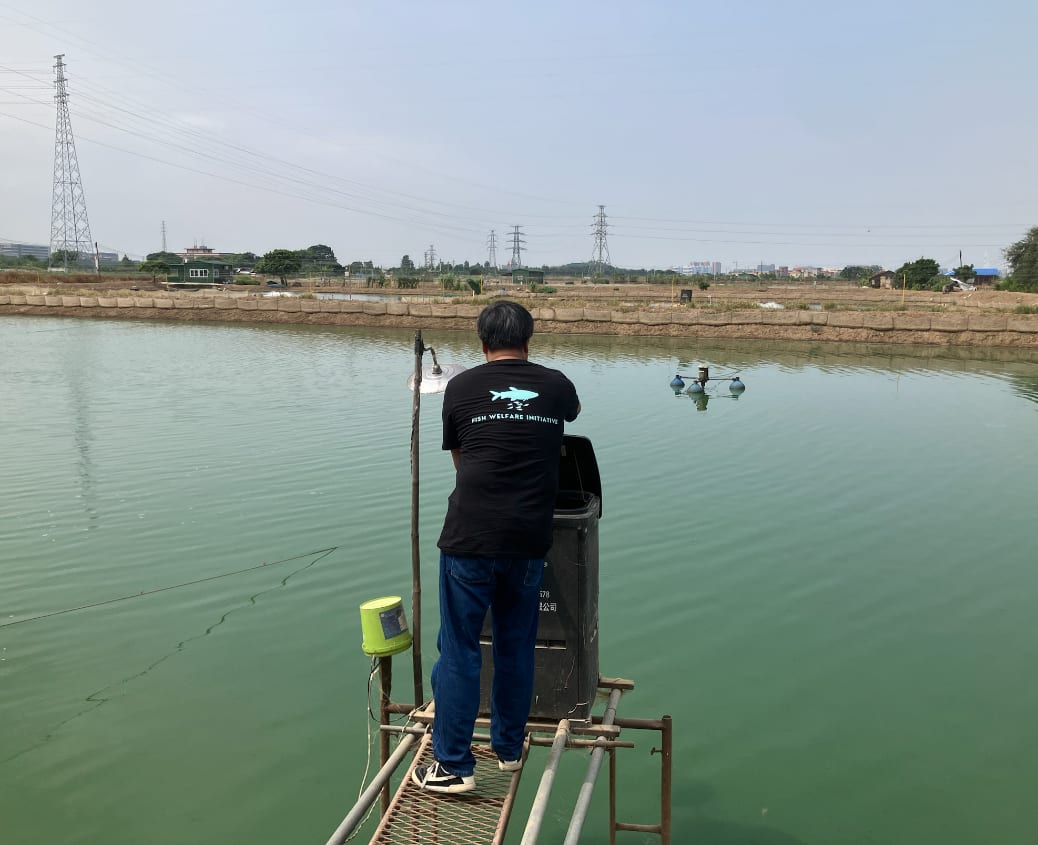
- Progress in China: Over half of the world’s farmed fish live in China—it is by far the most important country, and among the most complex, in the fish welfare space. While we haven’t run on-the-ground programs in China as we do in India, working with our Chinese partners we have contributed to several firsts (to our knowledge) for fish welfare in the country:
- China’s first industry report on fish welfare
- China’s first Aquatic Animal Welfare Forum, which we now co-host regularly
- China’s first fish welfare standards, which we supported in being developed
- Movement Support and Indirect Effects: While these should be considered secondary to our more direct outputs, we believe we have also played an important role in building the broader aquatic animal welfare ecosystem. For instance, it is our understanding that our input played an important role in nudging Shrimp Welfare Project to explore corporate advocacy (efforts which later became their Humane Slaughter Initiative), and in launching Scale Welfare and later shaping its strategic direction (e.g. the choice to operate in Vietnam and the Philippines).
Our Latest Plans
We are currently finalizing our next strategic plan, which will shape the direction of our work for the next 3 years. So while we are still finalizing some aspects, the following are the main components of what we are planning:
- International Expansion: We are now planning to expand beyond India and China, and will likely add a third country of operation in 2027. Depending on our success and capacity, further countries may be added later. We intend to continue focusing on Asia, and our primary contenders right now are the Philippines, Indonesia, Vietnam, and Thailand.
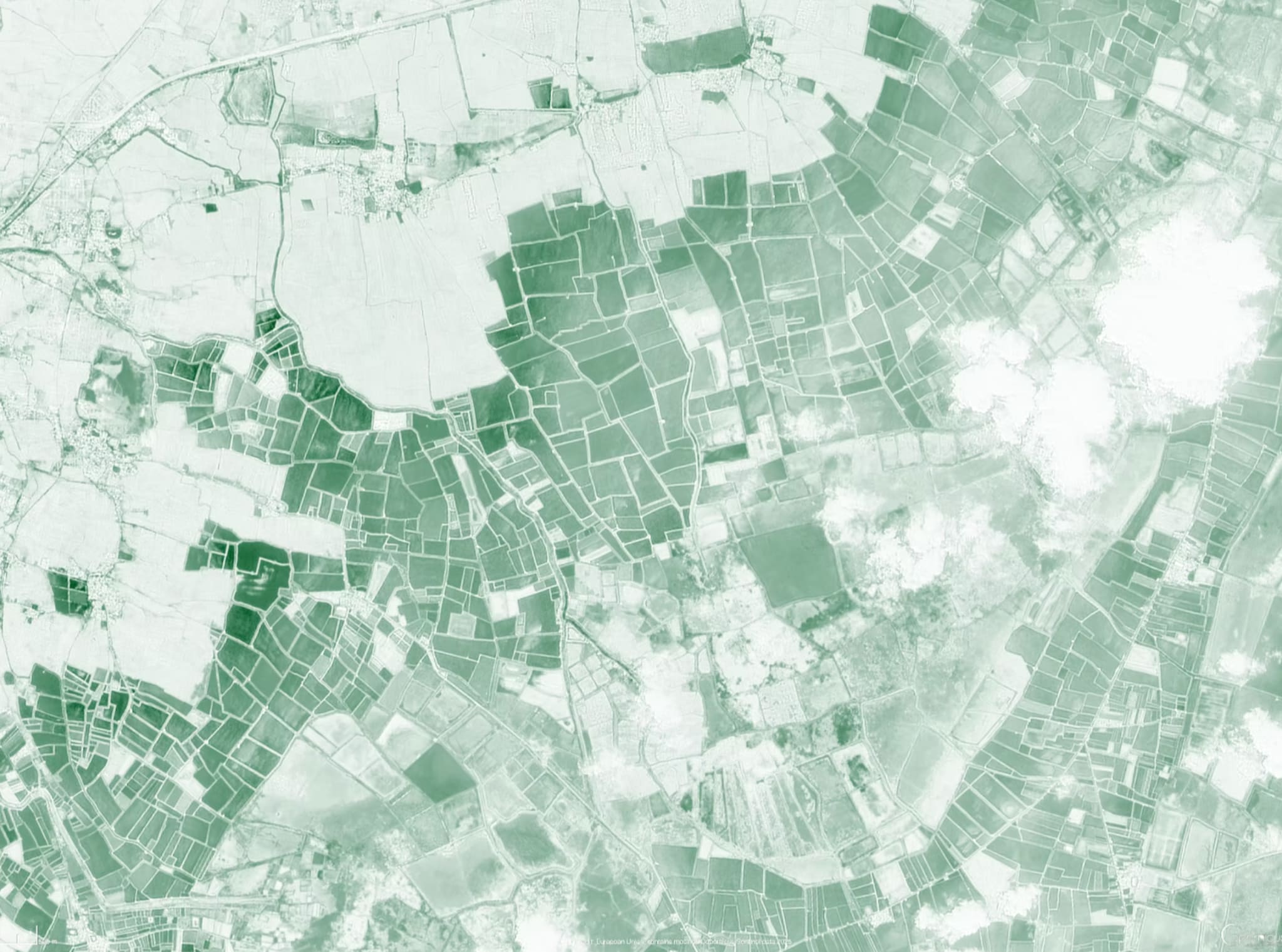
- Program Growth in India: We plan to expand our farm program in India: in 2027 in our current state (Andhra Pradesh), and to an additional state in 2028. We aim to reach roughly 1,200 farms by 2029 with this expansion (we currently have 195 enrolled in our program).
- China: We expect our China work in 2027 to focus on developing new interventions with local partners, and on longer-term field building efforts. Further plans are still in development.
- Continued Applied R&D in India (and other countries): We’ll keep developing new interventions, both through our own studies (e.g. our Sentinel Poles study to address fish lice) and, new for us, by funding others through requests for proposals (RFPs)—starting with our current India RFP and a regional Asia RFP in early 2027. We’ll also scope a new Indian state and new species to learn where interventions are most needed.
- New, “Systems Change” Style Interventions: We are also exploring investing in indirect, longer-term ways of helping fish. Examples here include corporate outreach, policy work, and supporting other organizations who want to work on fish welfare (e.g. we are considering an on-site “fish welfare fellowship” to train other organizations on how to work with farmers). We are particularly excited about curriculum change—adding fish welfare to the curriculum at fisheries universities and research institutes in India.
Current Funding Gap
We are still in the process of finalizing our 2027 and onwards budgets. However, you can see a preliminary version of them here.
To execute our plans for 2027, we estimate that we will need about $1M. We currently have about $500K raised for 2027, so that puts us at a $500K funding gap for next year (and more for future years). We plan to apply to the usual EA sources, particularly the EA Animal Welfare Fund, to fill part of our gap. However, given the size of our gap, we do think that now is a particularly important time for those interested to donate.
What level of funding would buy different outcomes?
Of course, the reality is that all unrestricted donations go into our general operating budget, but the following are some examples of what different outcomes roughly cost for us to attain:
- $10: On average, our farm program helps about 10 fish per dollar, so $10 spent on the program helps about 100 fish.
- $600: A year of water quality monitoring and corrective actions on one farm.
- $50K: A year of our new Welfare Measurement team, which runs welfare assessment studies on farms inside and outside our program to improve how we measure our impact.
- $100K: One round of our requests for proposals, funding outside researchers to develop new fish welfare interventions.
- $125K: A year of Global Growth: scoping new countries in Asia and, if we decide to go ahead in mid-2027, setting up in a third country.
- $250K: A year of our China work: working with local partners on developing fish welfare improvements, and promoting fish welfare within industry and academia.
- Beyond our $500K gap: Extra funding would go toward 2028, when we plan to grow in our first new country and expand the farm program into a second Indian state (expected budget about $1.1M).
If you’d like to learn more about donating, see our Donation Page FAQ.
Arguments Against Donating
The following are what I (Haven) currently consider to be the best arguments against donating to our work:
- Lack of Positive Study Results from R&D Work: Over the past few years, we have run various studies to develop new interventions—specifically on feed fortification, satellite-based water quality monitoring and “chill kill”. We believe that these have been, for the most part, well-run studies, and if there were results to be found, we would have found them. However, to date, most of them have returned negative results (e.g. our feed fortification study surprisingly found no significant welfare benefit of our fortified feed). Our Sentinel Poles study on fish lice is the main exception so far, though it still needs to hold up in a controlled trial. As many of our plans rely on developing new and improved interventions, in India and abroad, this is reason for caution.
- Cost-Effectiveness: While we believe our programmatic cost-effectiveness is good (our farm program helps about 10 fish per dollar) and is likely among the best in the world in the fish welfare space, it is still lower than what some organizations working on other animals, such as shrimp or chickens, estimate for their own work. For this reason, donors interested primarily in present cost-effectiveness may wish to give elsewhere.
- Novelty of the Fish Welfare in Asia Space: Farmed fish welfare in Asia is still a very young field. There is extremely sparse research on the welfare issues, and interventions, that affect these animals (this is partly why we invest so heavily in R&D). As a result, much of our work is exploratory and you should likely expect a higher failure rate than in more established areas (e.g. cage-free work to benefit egg-laying hens).
A Note of Gratitude
As always, we’d like to note that most of what we’ve been able to accomplish would not have been possible without the incubation, funding, and staff that the EA community has provided. We are extremely grateful for this community, and it continues to be an honor and a pleasure to be a part of it.

Hi Haven, I appreciate the work you and FWI do, and how much you prioritize evidence!
I'm curious about:
By the way, my guess is that 10 fish per $ is actually pretty good compared to marginal chicken welfare work these days, e.g ACE's 2025 review of THL has 12 animals per $. And for those discounting the future aggressively for TAI timelines, I could imagine FWI's farm program would look more cost-effective than most chicken welfare work being funded, because it pays off faster.