This post offers insights from my experience leading an EA fellowship group in Shanghai, China. While specific to my group, these observations may be valuable for anyone considering EA-aligned work in mainland China.
Though my mentors and co-organizers are aware of some aspects, I believe sharing this information with the broader EA community is crucial. This is particularly relevant as others may attempt to establish similar communities in China or at institutions like NYU Shanghai. I've already been approached by individuals interested in starting fellowships in China. Additionally, I haven't come across any China-specific community building reports. Given my unique experience running an EA group within mainland China, this account could serve as a valuable resource for future organizers. For privacy and security reasons, I've omitted specific names.
These views are my own. I strongly recommend consulting China experts before initiating any altruistic endeavors in the country.
Background
NYU Shanghai is one of the three NYU global campuses, the others being in New York and Abu Dhabi. In September of 2022 I founded an EA fellowship in NYU Shanghai. At that point I had been involved in the EA community for about 1.5 years, been through the Intro fellowship, and had attended an EAG. So I felt comfortable sharing my knowledge with others. During my time at school, I had always wanted to study in China due to my admiration towards East Asian culture. By that time EA fellowships had been successful in Abu Dhabi and New York. Hence I saw starting an EA fellowship at NYU Shanghai as an incredible opportunity. I ran the fellowship for two consecutive semesters and was very involved in community building.
Reasoning behind establishing the fellowship in NYU Shanghai
- High-Impact Career Opportunities: China related AI Safety and Governance careers are among the top 10 list of high impact careers on 80000 hours. We could nurture local talent in this critical area and provide targeted guidance.
- Strategic Position of NYU Shanghai: There are only two Sino-US research universities in China namely New York University Shanghai (NYUSH, est. 2012) and Duke Kunshan University (DKU, est. 2013). Sino-US institutions normally enjoy more freedom of speech and academics compared to any other university in China. Being a research institution it attracts a lot of talented students from around the world and professors who have previously worked in Google Deepmind, Apple, ByteDance and MIT.
- Bridge Between East and West: The fellowship could serve as a crucial link between EA communities in China and the rest of the world. It could help translate and adapt concepts for a Chinese context, making the movement more globally inclusive. I noticed that EAGs (even in Singapore) have a very low proportion of Chinese nationals compared to academic conferences like Neurips.
- Safe Haven for Intellectual Discourse: NYU Shanghai's diverse atmosphere, with equal ratios of Chinese and international students provides a neutral ground for discussing complex ideas. NYU Shanghai allows implementing the Chatham House Rule to encourage open dialogue.
- Longtermist Approach: NYU Shanghai is a very interdisciplinary school with students having special focus on global policy making and scientific research. Fellows could go on to influence policy and research in both China and internationally.
- Strong Faculty Support: Several professors at my university expressed their interest in Effective Altruism and were willing to endorse the fellowship. Professors could serve as guest speakers, or advisors for fellowship activities.
- Global Outreach: As part of the larger NYU global network, the fellowship could collaborate with EA groups at other NYU campuses. This could provide opportunities for cross campus projects, organizer exchanges, and knowledge sharing.

Imminent Problems
There are some problems which I had anticipated in relation to the Chinese landscape.
- Government Scrutiny: Chinese authorities are known to put restrictions on international organizations. This includes prohibitions to gather and free speech censorship. Discussing sensitive topics could potentially lead to repercussions.
- Cultural Differences: Some ideas may clash with prevailing political or social narratives like Confucianism. EA principles may need to be adapted to align with Chinese cultural values and perspectives.
Solutions
I received a variety of critiques and feedback.
- Proceed with Caution: I had meetings with senior grant making associates in OpenPhil and CEA in 2021 about my plans. They expressed their concerns related to special challenges posed in previous community building efforts in China however they also recommended to some China related experts.
- Seek Local Expertise: I sought advice from an active EA community member in China, who offered support and guidance. As I started reaching out to people, other EA aligned people in China also started reaching out to me and were happy to help.
- Protect EA's Reputation: Members of a think tank among other places have in the past warned me about potential risks of tarnishing EA image in China. Using explicit EA terminology in group titles could potentially draw unwanted attention and given China's history of censoring content, deemed "harmful" to the public.
I had to tread carefully. Everything from names, meeting spots and emails were tailored considering the advice I received.
Activities and Events
Overview
The Arete Fellowship at NYU Shanghai was an 8-week program designed to introduce participants to effective ways of maximizing social impact, drawing inspiration from the regular EA Intro fellowship. To appeal to a broader audience and considering the landscape, the program avoided explicit EA terminology in its advertising. It had slightly more emphasis on research and quantitative measures tailored to the fact that NYU students are more questioning and needed theoretic explanation.
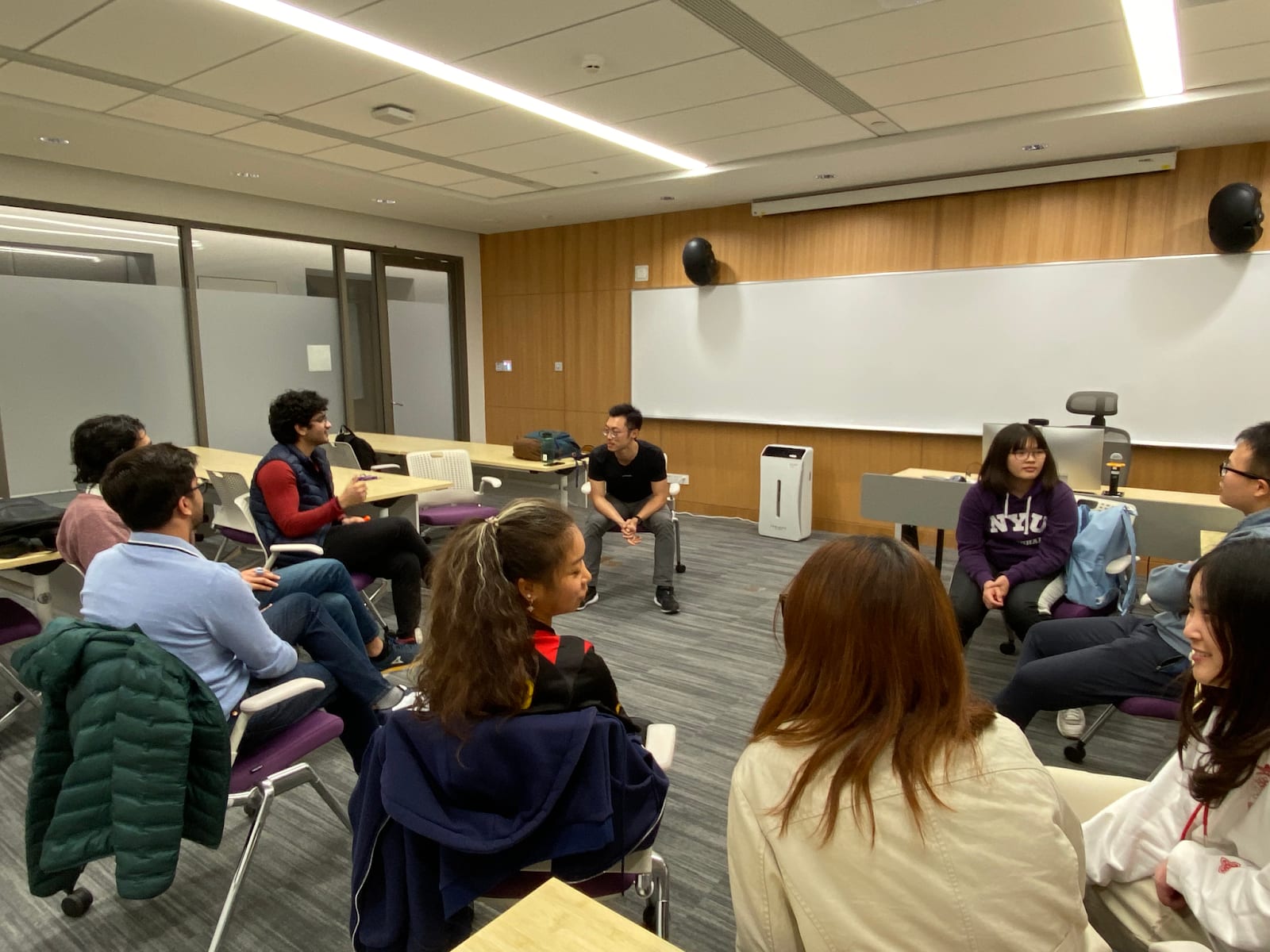
Participants engaged in weekly readings followed by discussion groups. We curated a syllabus outlined detailed reading lists, videos, and discussion questions for each week's topic. The program's goal was to familiarize students with EA-style thinking and help them apply these concepts to their own lives and career plans.
Upon completing the fellowship, participants earned the title of "NYU Shanghai Arete Fellows" and were invited to join various EA-related projects and networks. This summary covers the final semester of the program, offering a brief overview without delving into extensive details.
Fellowship Structure
Each week covered a different topic related to Effective Altruism, including:
- Cognitive biases and rational thinking
- Core EA concepts and approaches
- Using your career for good
- Global health and development
- Animal welfare
- Long-term future considerations
- Existential risks
- Career planning
Fellowship Goals
- Community Building: We built a healthy community through outreach to NYU Shanghai, social events, and online engagement via WeChat and Slack.
- Skill Development: We focused on knowledge and skill development by offering seminars on EA, AI safety, and alternative proteins, along with working groups and access to learning resources.
- Career Support: Assistance with high-impact job searches and networking opportunities within EA was promoted.
- Project Involvement: We encouraged involvement in impactful projects such as Cause Analysis and AI Safety Initiative research.
- Continuous Improvement: To ensure continuous improvement, we implemented Facilitator Training, collected feedback, and shared biannual reports with the EA community. This approach helped maintain the fellowship's effectiveness and contributed to the growth of the EA movement.
Methodology
- Outreach: An email campaign was conducted to reach potential applicants.
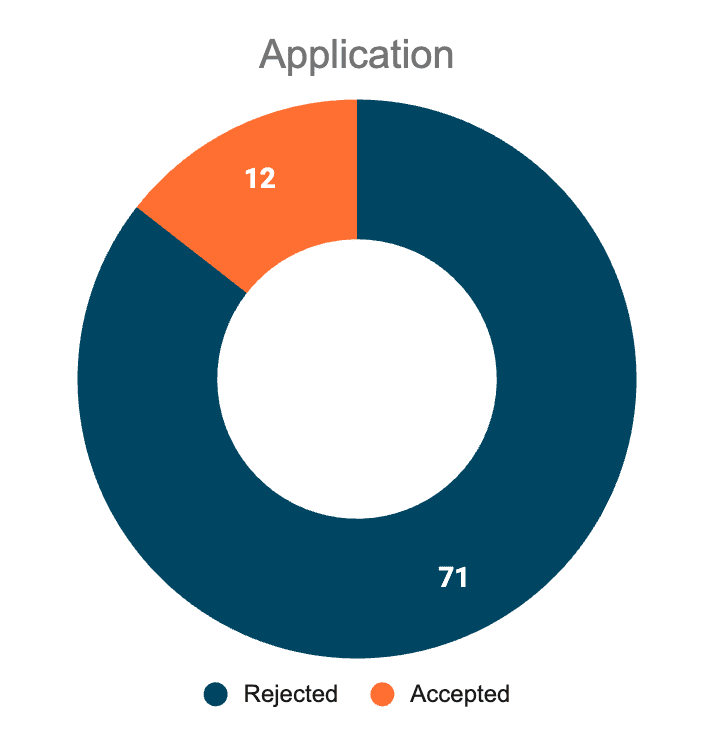
- Application process: The fellowship received a high level of interest, with approximately 80 applicants competing for 12 available spots in two cohorts. We kept the available spots lower to reduce visibility in the eyes of the school/government and also for cost related reasons.
- Selection: We conducted interviews to select candidates. Applicants who were not selected for the fellowship were directed to the online Intro to EA course.
- Regular meetings: Fellows participated in weekly meetings.
- Guest speaker events: In addition to meetings, we organized events featuring guest speakers, which were open to a wider audience. With 30+ attendees at each event, these were well-attended and served to broaden the impact of the fellowship beyond the core group of fellows.
Impact
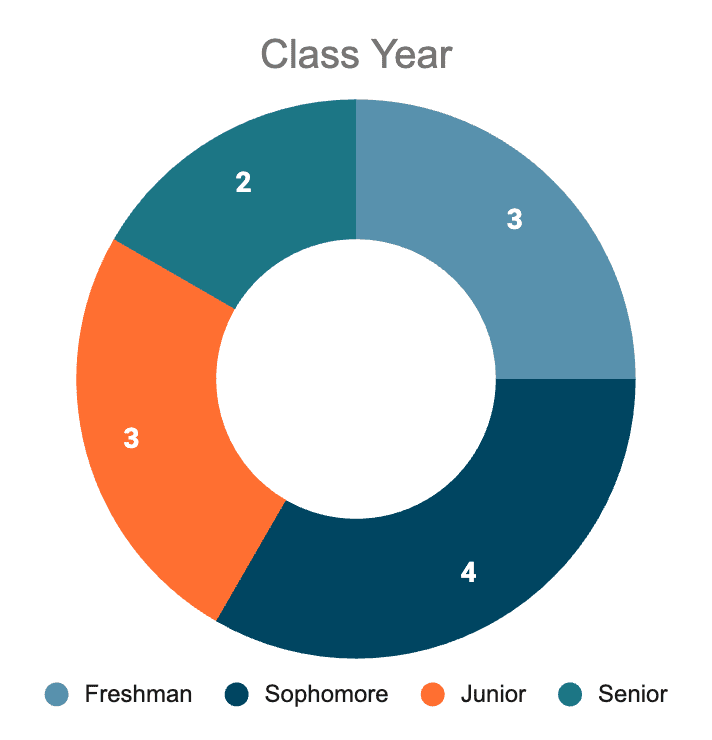
This is the quantifiable impact of the fellows. The exit survey had low respondents since it was sent after the school year ended so some metrics may be limited.
Completion rate (fully attended meetings): 9/12
Average satisfaction ratio among all participants: 9.6/10
Would definitely recommend the fellowship to other people: 11/12 (1 maybe)
EA metrics
~3 of them ended up attending EAGs
~3 decided to go vegetarian
~4 took up a GWWC Trial/ 10% Pledge
1 strongly considers a career in AI safety
Survey
Impact on career plans (How, if at all, did the fellowship influence your career plans? in >20 words)
Yes, it made me think about the bigger picture and how I can incorporate a greater purpose into my career plans.
It made me want to have an effective career as well as a lucrative one
Yes. Now I focus on doing popularity&bias evaluation on different recommendation algorithms
I have a clearer goal of what I want to do. I am thinking about combining my interest with the goods for all beings now:)
It influenced my idea of the purpose of my career and what I can do to make an impact
How, if at all, did the fellowship influence your financial plans? (>20 words)
Yes, it made me consider donating to more charitable organizations.
I'm more aware of what charities I donate to and their overall impact
I may want [to] give out some money to the people to help in a way which is the most effective, meaning a lot of research …
What did you particularly enjoy?
I loved having group discussions every week. My group actively participated so we were able to fully analyze the readings and offer our opinions on them.
Being a part of a community that not only cares about EA but also shares thought-provoking ideas.
If you were in charge of the fellowship, what would you change?
I would vary the readings and manage their length.
I would have EA articles and non-EA articles for the readings each week. Only because the EA articles use a lot of jargon that can be hard to understand, and sometimes it's hard to comprehend the meaning the EA community is trying to endorse.
I will add more AI related content
more organization

Challenges and Potential Solutions
While running the fellowship
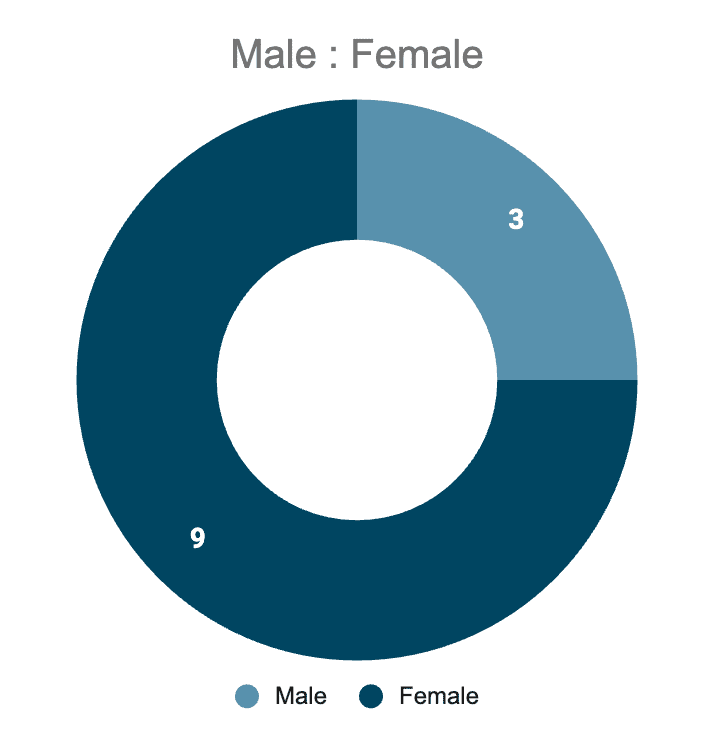
- Gender Representation: During the second semester, the Arete Fellowship at NYU Shanghai experienced a significant gender imbalance, with a female-to-male ratio of 3:1. Several factors may have contributed to this disparity.
- Program visibility: Previous promotional efforts were limited to email communication, which may have resulted in uneven awareness across different student groups.
- Interest alignment: The fellowship's focus on altruism and social impact may resonate more strongly with certain students, potentially influenced by individual experiences and values.
- Academic major distribution: The gender ratio could reflect the overall distribution of students across different majors at NYU Shanghai, with some disciplines having higher female enrollment.
- Existing patterns in similar programs: For context, the Dean Service Corps at NYU Shanghai, which collaborates with nonprofits on various causes, has over 95% of its service leaders identifying as women.
Vegan options in China: In China, attitudes towards vegan/vegetarian food are complex and varied, with some associating it with poverty while others view it as a health-conscious choice or even a delicacy. Diet related problems arose for people wanting to turn vegan/vegetarian in our group. Especially in Shanghai, purely vegetarian options are scarce. Most eateries have removed vegetarian dishes from their menus, and even those labeled as such often contain small amounts of meat.
As a vegetarian transitioning to veganism, I found maintaining my diet in China extremely challenging, often having to cook my own meals at home. I recognise that this may not be an option for many due to limited time as students. When dining out together as a group, vegan restaurants were typically much more expensive than traditional establishments, further complicating social eating situations.
- FTX-related criticism: The FTX shutdown’s impact on EA's reputation was significant, particularly among well-informed groups like college students. Media coverage often linked it to the broader EA movement, prompting ethical concerns among group members. A Chinese professor in Shanghai inquired to me about how EA leadership was responding to the situation. It was challenging to navigate discussions about EA in the aftermath of the FTX collapse.
Reasons for an Indefinite Pause
NYU Shanghai's unique position as a Sino-US international university presents distinct challenges for maintaining the group. The study-away program, which allows students to spend two semesters at other NYU locations, often includes EA organizers, leading to reduced momentum and difficulty in sustaining a cohesive community. Without a unified EA community across all of NYU's global network it can be quite difficult to coordinate such departures and find replacements.
Student organizations at NYU Shanghai face significant constraints due to the school's unique political landscape. While NYU Shanghai generally prioritizes diversity across departments, blending Chinese and international perspectives, the Student Organizations Committee presents a notable exception. Unlike the open club policy at NYU New York, this committee, composed solely of Chinese nationals with experience limited to domestic institutions, tightly regulates campus clubs.
The committee's composition and operational style—often communicating in Chinese with Chinese students—creates an environment that can feel exclusive to non-Chinese students. During my meeting with the committee head, the discussion about establishing an EA group was friendly. However, the lack of diverse viewpoints within the committee may have contributed to difficulties in gaining official approval. In particular, concerns arose regarding potential foreign influence, especially given our proposed group's strong connections to CEA in Oxford, UK.
Additionally, the administration imposed several constraints on our EA group. There was a strong emphasis on conducting activities outside the university premises or collaborating with professors, as well as pressure to merge with existing clubs. However, merging with other clubs, such as a philosophy or environmental club, would compromise EA's distinct mission and values. These factors collectively made it challenging to maintain an independent, thriving EA group at NYU Shanghai ultimately necessitating an indefinite pause in our activities.
While some fellows were interested in continuing to organize, I was not fully confident in their ability to disseminate EA understanding without them being misinterpreted. Although this would not normally be a problem since they could learn over time, given China's complex sociopolitical landscape and the need to look over their shoulders even in academic settings, I suggested they reconsider this path. Instead, I recommended they focus on personal development through other EA-related programs, emphasizing training and skill enhancement.
Most of these are applicable to China in general but some of these may be specific to NYU Shanghai.
- Personal and Legal Concerns: There is fear of government persecution. Individuals risk losing scholarships or other benefits if they engage in certain activities.
- Campus Censorship: There is severe censorship on campus regarding notice board postings. All posters require approval from the Student Organizations Committee. Unapproved materials are typically removed within days.
- Lack of International Support: CEA has ceased supporting EA groups in China. During my last semester, I personally funded and managed the group, but future organizers would benefit from having programs like OSP available. There is a general scarcity of support for China-focused EA groups, including those related to AI governance.
- Ecosystem Changes: Key support organizations, such as Tianxia, have departed from the China ecosystem.
- Financial Obstacles: There are restrictions on international donations. Foreign funding is closely monitored.
Potential Solutions
As I mentioned, despite the problems, if I was around I would continue organizing. Here are the changes that I would make to the fellowship to enhance sustainability.
- Build relationships with supportive faculty and explore alternative group meeting places, like study rooms in a bookstore, to navigate university regulations.
- Focus on universally beneficial aspects of EA and develop China-specific materials to address political sensitivities. Further a distinction between the traditional EA fellowship and our topics.
- Establish global NYU wide mentorship programs and create detailed handover processes to maintain continuity during study-away periods.
- Identify China-based EA supporters and explore partnerships with think tanks to build local support.
- Investigate compliant local funding options and develop self-sustaining activities for financial stability.
- Diversify promotional channels and collaborate with various student organizations and academic departments to improve gender representation.
- Create resources for vegan options, including restaurant lists and cooking workshops, and work with the university cafeteria to expand choices.
Future Plans
I'm currently based in New York, where I actively participate in EA-related discussions on the East Coast.
I had taken a leave from active community building for a year but for the upcoming academic year, I plan to continue my community building efforts at NYU, focusing on expanding coordination among New York students and the global community.
While I don't anticipate being significantly involved in in-person community building in China anytime soon, I'm happy to offer support and advice. If you're interested in community building in China, please feel free to reach out to me at my email [email protected].
I had also created a website for the fellowship, which you can explore at: https://eanyush.github.io/
Call to Action
China's growing economic influence and technological advancements make it a critical player in shaping the future of humanity. As such, it's essential for the movement to consider China's role and potential impact on our cause areas. Despite the challenging political climate, there are compelling reasons why moderated community building should be important in China.
In 2019, just 10 percent of eggs in China were sourced from cage-free farms, indicating vast room for improvement in animal welfare. Millions of animals across various species are still farmed in cruel environments. While organizations like GFI APAC have been working on introducing plant-based alternatives, there's still a long way to go in terms of adoption and public perception. A locally based community can do a lot more than an international one.
Research on Chinese philanthropy is limited, but some patterns emerge. Established philanthropists, often from the real estate sector, tend to focus on local causes. In contrast, younger donors who have amassed fortune through technology frequently support a wider range of issues. Although the movement may struggle to gain significant traction in China due to nationalist policies and cultural norms, global health and well-being initiatives could potentially resonate with these emerging philanthropists.
In the realm of technology and AI related development, China's role is evolving rapidly. While China will not be a competitor in developing Transformative AI at least in the next 3 years and I agree with most of Julian's points about China being overhyped as an AI superpower, China's ability to quickly adopt and improve upon Western technological advancements is noteworthy. Despite the scarcity of chips, as of today China was able to train its own LLMs, with 6 of the top 20 models by ELO score.
China's manufacturing strength positions it as a potential leader in large-scale robot production, as exemplified by Unitree's successful mass production of quality robots for global institutions like MIT and ETHZurich. The country remains a key producer of less sophisticated semiconductors and raw materials with 41% of even the US DoD supply chain dependent on Chinese semiconductors. China's cost-effective production of drones and electric vehicles, achieved through vertical integration, could extend to robotics, as evidenced by Unitree. As AI companies like Nvidia and Figure (partner with OpenAI) strive towards multimodality and physical applications of large language models, understanding their dependence on China becomes crucial, potentially shaping the future of AI-driven technologies and robotics.
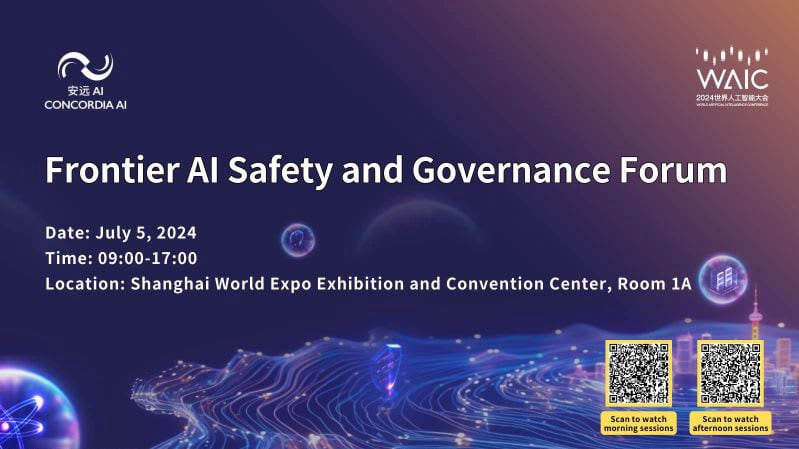
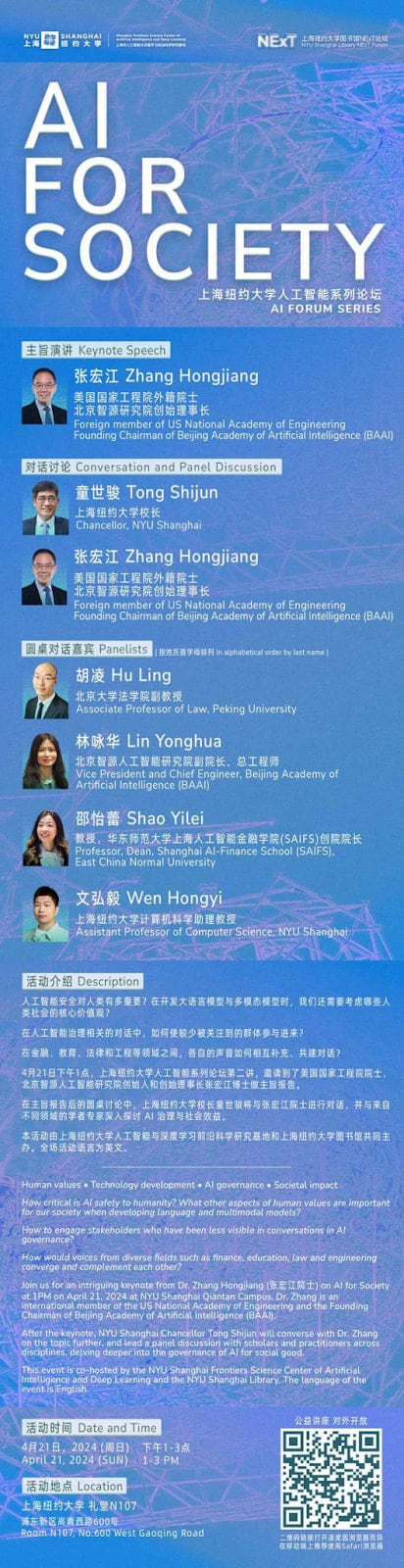
Encouragingly, there are already some promising efforts in AI safety and governance within China. Concordia AI has been setting the tone for these discussions. Additionally, homegrown AI labs like the Beijing Academy of Artificial Intelligence are demonstrating an understanding of the global AI landscape and are beginning to address risks associated with advanced AI.
While fostering a community focused on global issues about China (both in and outside of the mainland) comes with unique challenges, the potential impact could be substantial. By concentrating on areas where progress is possible, such as animal welfare and AI safety, and by cultivating thoughtful engagement with Chinese institutions and individuals, we could contribute to a better future.
Resources
Good old career advice from 80,000 hours
Improving China-Western coordination on global catastrophic risks - Career review
AI Safety
Assessing China's importance as an AI superpower
New report on the state of AI safety in China
China x AI Reference List
Animal Welfare
Perspectives on animal advocacy in China
170 to 700 billion fish raised and fed live to mandarin fish in China per year
Biosecurity
A write-up on the biosecurity landscape in China
P.S.
I have been wanting to write this for a while, however my academic research work takes higher priority forcing me to put it on the back burner.
Looking ahead, I'm also keen to explore the potential significance of AI safety governance related community building in China through a future post.
Any errors are my own. Be good :)
~ Arghya
Executive summary: Running an EA fellowship at NYU Shanghai faced unique challenges due to China's political landscape, but also presented opportunities to engage talented students on important cause areas like AI safety and animal welfare.
Key points:
This comment was auto-generated by the EA Forum Team. Feel free to point out issues with this summary by replying to the comment, and contact us if you have feedback.