Epistemic status: CellAg Germany and its nonprofit initiative AltProtein.Jobs (“we” from now on) operate in the alt protein sector. We are here arguing for our own cause area; this post reflects our organization’s view that alternative proteins remain one of the most impactful and promising paths for animal welfare, particularly when complemented by other welfare initiatives. We have done our best to engage honestly with the past counterarguments and to present data rather than advocacy where possible.
This post was authored by Nadja Milivojev, and contributed to by Liliia Lisina and Pia Voltz. We extend our gratitude to Helene Grosshans from GFI Europe for providing valuable feedback and personal opinions on this piece.
TL;DR
We raise a case for alternative proteins as an impactful path to reducing animal suffering. Within this field, a neglected and time-sensitive opportunity is the institutional layer needed to turn scientific progress into durable food system change.
- The alt protein sector is politically and financially vulnerable: private investment has contracted sharply, public funding still overwhelmingly supports animal agriculture, and restrictive policies could strand existing capacity;
- The bottleneck has been shifting away from technology: policy, talent placement, public procurement, corporate reformulation, and market-shaping remain underfunded relative to R&D;
- Europe faces a narrow policy window: Common Agricultural Policy, Biotech Act II, and Germany’s Food and Nutrition Strategy will shape the food and agricultural policy in EU Member States for years. Not placing and activating alt protein advocates in relevant institutions risks locking in the status quo;
- AI keeps raising the stakes: AI may accelerate alt protein R&D, but could also make factory farming cheaper and more intensive. Additionally, it is unlikely to solve regulatory and advocacy bottlenecks soon, so human action is needed;
- Impact does not require mass consumer conversion: B2B ingredient reformulation, public catering, procurement standards, and plant-based defaults can reduce animal product use “behind the scenes”, without depending on consumer choices and ethics;
- Alt proteins complement direct animal-welfare work: welfare reforms are easier to implement when viable alternatives exist, while alternatives are more likely to scale where welfare campaigns fail.
With this post we present our responses to the criticism around the alternative protein sector and invite others to challenge our views. Our goal is to keep up the conversation and the ongoing evaluation of whether and how to prioritize alternative proteins as an impactful intervention.
Who are we and why did we write this article?
We represent CellAg Germany (CAG), a nonprofit advancing cellular agriculture and alternative proteins through research, policy engagement, and ecosystem development in German-speaking Europe. As part of an EU-funded consortium, CAG has authored the German National Action Plan for cellular agriculture this year. Since Q4 2025, CAG also hosts AltProtein.Jobs as a non-profit initiative: a career hub connecting global talent – ~33,000 yearly users across 80+ countries – to the alternative protein ecosystem: companies, research institutions, and NGOs working on the future of food from a number of angles. Our work already covers some of the initiatives discussed below: we just launched a new project in August this year (still in stealth mode), and will soon publish more of our recent work.
We believe there is a strong case that alt proteins are still one of the more neglected and time-sensitive EA opportunities today. However, different schools of thought within the community have been raising several main counterarguments to this over the past few years. The strongest versions, as we understand them, are: despite the boom in funding in the early 2020s, the sector’s track record is weak, and cultivated meat in particular overpromised; consumers rarely switch for ethical reasons, and price and taste parity may not be enough to incentivize them; direct interventions such as corporate campaigns may be more cost-effective per dollar. We value these opinions, as criticism helps the field improve, but at the same time, we believe that some of the compelling reasons to continue supporting animal product alternatives are being vastly overlooked.
Public and private funds have mostly been invested into technological capabilities in hopes that everything up- and downstream of R&D will naturally follow on its own, but disproportionately less attention has been paid to the rest of the sector. Therefore, we argue that the institutional infrastructure supporting the the alt protein ecosystem – namely the talent, policy, scale-up capacity, and corporate layers sitting beneath the technology – are relatively underfunded, and philanthropy is uniquely positioned to address that.
An unstable sector needs a solid foundation
The alt protein landscape has evolved significantly over the last decade, but that progress did not happen automatically. Public and philanthropic funding for alternative protein research in Europe increased from almost nothing in 2014 to roughly €290 million by 2023, and many of the opportunities emerged because advocates spent years building relationships, producing evidence, and engaging specific ministries and budget committees. Denmark’s Action Plan for Plant-based Foods and the Dutch government’s €60 million investment into Cellular Agriculture Netherlands are examples of deliberate policy work translating into large public allocations in the past few years.
However, private investment has contracted sharply since 2021 worldwide, especially for cultivated meat; its global funding fell to $74 million in 2025, roughly 95% below its peak. While in Europe it seems to be slowly picking up again, it’s still below what it was even in the first half of 2024. Additionally, the European Parliament has proposed a resolution to ban public funding for plant-based advocacy, which could affect organizations such as the ones that enabled the aforementioned large-scale public allocations to happen. The private-public funding imbalance also invites asymmetrical risk concentration, and either inflates alt proteins’ reliance on market trends or invites the risk of stranded capacity. Either scenario requires pulling new levers to create buyers for the existing capacity and lower the risk for further investments – through public procurement work, ingredient reformulation, and breaking into new customer segments, as we argue here.
And while alt proteins struggle to stay afloat, governments in the EU continue dedicating 80% of their agricultural subsidies on the production of animals and animal feed, and roughly 700 times more on conventional animal agriculture than on the alternatives in the US (incl. allocations towards programs around R&D, market price support, consumer subsidies, etc.). Preceding the funding downturn, in 2021, it was estimated that at least $10.1 billion per year is required to realize the full benefits of alternative proteins worldwide; in 2025, global governments committed less than 10% of that target, bumping the necessary figure even higher for the years to come. To even begin compensating for such a skewed ratio, influencing legislation while it is being drafted matters disproportionally more than finding pathways around it after the funding has already been allocated.
Europe in the spotlight: the window is open, but not for long
The upcoming year presents an unusually concentrated window for shaping animal welfare- and alt protein-favorable policy in Europe. The European Union’s next Common Agricultural Policy (CAP) for 2028–2034 will likely allocate roughly €55–60 billion per year as one of the world’s most influential agricultural funding mechanisms. Legislative negotiations are underway, with adoption expected before December 2027; CAP funds are largely disbursed through Member State-specific Strategic Plans, requiring individual national action to ensure favorable outcomes. Coinciding with this, the formal proposal and adoption of EU’s Biotech Act II and the implementation of around 90 measures of Germany’s Food and Nutrition Strategy are taking place by the end of next year.
Missing out on an open policy window sometimes can do more than just slow progress: it can lock a sector into the status quo for decades. The European Parliament is only now – a generation later – beginning to loosen some legislation around GMO labeling. Bans on GMOs in Europe set an example for the extent of legislative lock-ins, as well as the work, technological advances, and lobbying necessary to overturn them once signed. Several actors are already moving towards a similar point regarding alt proteins: Italy, Hungary, and multiple US states have enacted cultivated meat bans, and the Council of the EU and Parliament have reached a provisional agreement restricting meat-related terms in plant-based product labeling.
The institutions, coalitions, and policy capacity built during the 2026-2027 window will shape the next decade of food and agricultural policy in Europe, and could help protect the sector against future bans and restrictions. Acting inside the window is not the only path to immediate impact, but it might by far be the cheapest one. For example, the EU's provisional ban on plant-based labeling is expected to affect 31 terms, but the use of common format-based descriptors like burgers and sausages has successfully been defended. The NGOs at the forefront of advocating for the retention of these terms (ProVeg, GFI Europe, The European Consumer Organization, WePlanet) operated on a combined budget of about €14 million dedicated to their entire scope of work in the EU Parliament in the most recent financial cycle. In comparison, the ban on all proposed terms would cost just the German private sector €250 million in follow-ups such as product redesign and revenue loss; the EU-wide figure would almost certainly be in the billions.
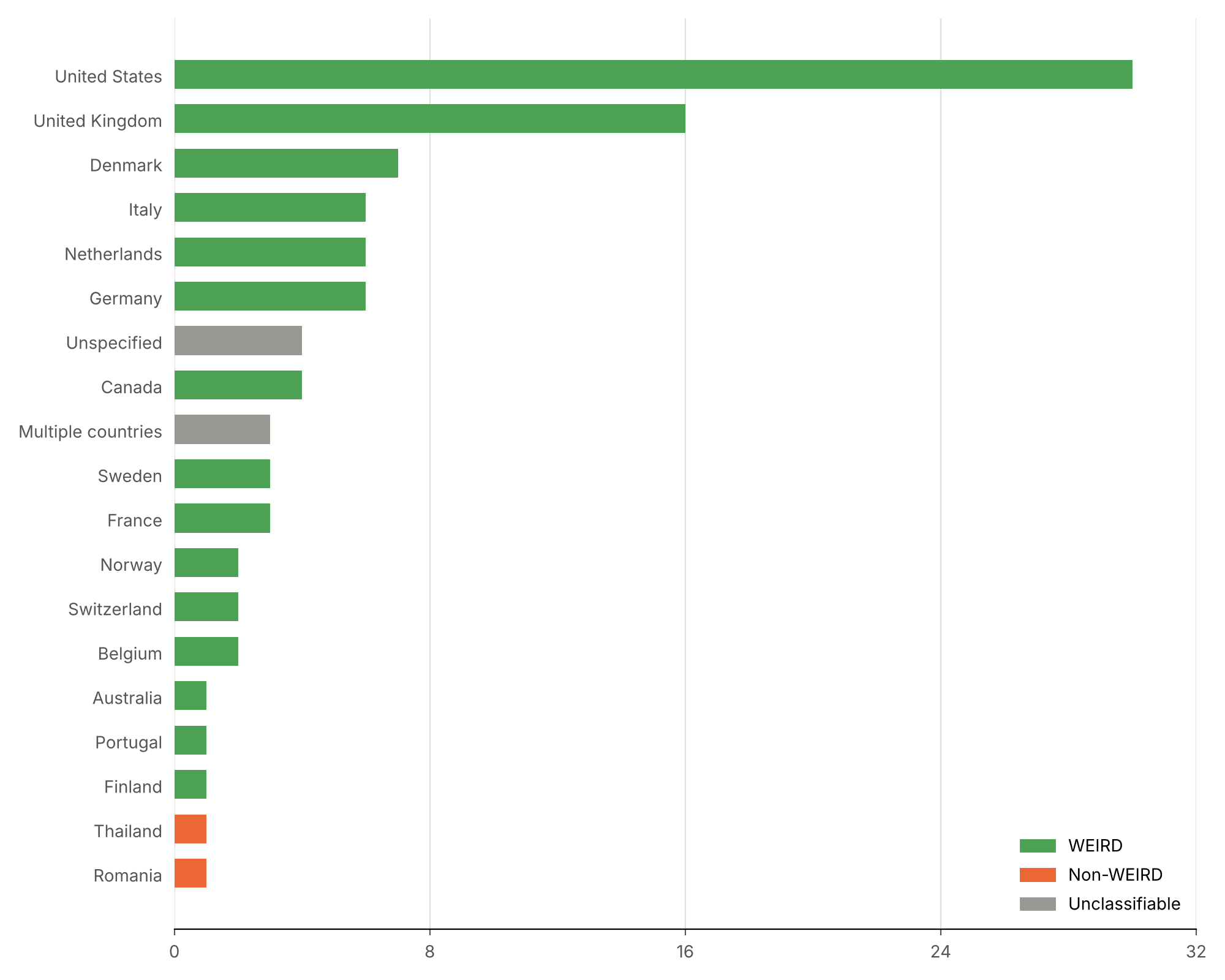
The alt protein and animal advocacy presence inside European and Member State governing bodies is currently limited, and not for lack of a willing workforce. Our 2025 Hiring and Market Report based on AltProtein.Jobs’ job board data demonstrates that Policy and Advocacy category – one of the seven job functions along with Biology and Food Science, Engineering, Production, Software Engineering, Sales and Marketing, Business – has attracted over twice as many applications per job as the other six functions averaged, while still remaining the function with the lowest number of jobs by far.
This points towards not only a high demand, but also a low supply: an ecosystem where people are willing to contribute, but governments often lack the resources and capacity to create a sufficient number of suitable positions. To overcome this bottleneck, action needs to be taken to not just influence the policymakers, but also help mission-aligned professionals enter influential positions through more fellowships, networking events, direct talent placement programs, and relationship-building between nonprofits and governments. EU-level examples of placed fellows meaningfully influencing alt protein policy already exist – this model should serve as a blueprint to be scaled down and disseminated on the level of individual Member States, especially during landmark events like national CAP allocations.
AI decides on animal welfare, policy decides on AI
The urgency of the policy window also becomes sharper when the developments around AI are taken into account. AI is already being deployed throughout animal agriculture; in an ideal case, alt proteins will outcompete factory farming by today’s standards; but in the more realistic case, alt proteins are up against a world where AI has been used for years to make factory farming even cheaper and more efficient than today.
Policy is one of the deciding factors for where the AI technology develops and gets to be applied – for alternative proteins, this would mean compressing R&D, scale-up, and cost-parity timelines. However, the latest research on AI in cultivated meat forecasts that AI will not be able to address all current bottlenecks in the next 5 years. In line with our main argument here, this research recommends more philanthropic support for the rest of the ecosystem that will benefit from AI developments disproportionally less. AI is unlikely to significantly accelerate factors such as regulatory capacity and policy advocacy engagement in the near future, and these are projected to become the new binding constraints.
In parallel, AI in factory farming could allow for more intensive production systems, lower costs of animal products, increased scales, and larger numbers of animals living in such conditions. Even further into the future, scenarios where space expansion has been accelerated by AI arguably involve the parallel expansion of factory farming to hundreds or thousands of times of what it is today. As fictional as such predictions may appear, multiple studies involving insects and fish grown in conditions simulating space stations, the Moon, and Mars are already being conducted, with the European Space Agency employing space farming to feed its astronauts in the near future.
Which of these two areas of application – AI as a tool for intensifying factory farming, or AI as a tool for accelerating its replacement – comes to dominate in any given place will be determined by the direction in which national bioeconomy strategies, research funding priorities, open access data policy, and food system regulations are shaped.
Consumer choice: friend or foe?
Even as AI accelerates the path towards price and taste parity, parity alone might not be able to carry mass displacement on its own: studies on consumer behavior find that being merely comparable to animal products is not enough to drive the protein transition under current conditions – people are more likely to switch when an alternative is better at a bonus benefit they already care about, but more on that later. Regardless of whether consumer switching is feasible at a large scale or whether lasting change is possible without mass moral conversion, many animal products are used as ingredients that consumers never consciously choose in the first place – presenting an underexplored opportunity for mainstreaming the alternatives.
Milk proteins, serving as binding and creaming agents, can be found in almost one third of all non-whole foods; eggs in processed goods make up ~7% of global egg use, and are routinely added to bakery, sauce, and pasta products; animal fats and gelatin are still commonly used in confectionery and supplements. B2B-exclusive inputs such as these are the results of purchasing and formulation decisions made upstream – and often independently – of the consumer and their choices and beliefs.
Reformulation or reduction at this level displaces inputs at a scale of an entire product line with little-to-no consumer conversion and persuasion necessary. “Stealth” changes are commonplace in other sectors like the cosmetic industry or pharma, where inactive ingredients are routinely swapped in generic medications for convenience or cost reasons. Even in the food industry, such switches happen at a large scale unprompted by consumer demand – the advent of hydrogenation at the beginning of the 20th century allowed the replacement of animal fats with cheaper and more shelf-stable vegetable oils for shortening and frying purposes. These examples demonstrate that influencing the food and beverage industry towards plant-based substitutes and/or reduction of animal ingredients in formulations of widely known and accepted products could be an effective intervention for mainstreaming alt proteins while circumventing consumer choice altogether.
Further, the alt protein sector’s struggle to expand into the broader food industry also points to a deeper issue with how it currently reaches consumers when it does need to engage them and market to them directly. Alt protein product development has largely been assumption-led until now: companies design end products based on hypotheses about consumer demand and find out – often expensively – whether these hold only once launched. Similarly to how AI is already used to simulate sensory responses to protein formulations before physical production, such a technology could now be employed for cost-effective pre-market testing at a scale that wasn't previously feasible or affordable: simulating acceptance rates, testing positioning and messaging, and surfacing historical customer signals and responses, all before any capital is poured into products that may not address a real market demand. In a recent study by BCG, a synthetic panel demonstrated 92% accuracy in predicting consumer response to a novel beverage. Building the tools and capacity for this kind of AI-enabled validation of novel alternative protein products is itself a high-leverage intervention that could materially improve the sector's capital efficiency and hit rate.
Alt protein products also overwhelmingly attract the people who are already interested in sustainability and animal welfare, and large breakthroughs into the mainstream are rare. Comparative analyses of consumer-aimed interventions for conventional and alt proteins demonstrate that unlocking new customer segments requires more than moral signaling or sustainability messaging: it requires focusing on additional benefits such as health, and allowing spontaneous exposure to alternatives through large-scale meal schemes like public canteens, schools, and hospitals.
Other transitions point the same way: surveys of electric vehicle buyers find that lower running costs motivate more of them than emissions do, with many also citing noise levels, subsidies, and interest in the technology – buyers are drawn less by parity with combustion engines than by advantages they already valued. Similarly, most current and prospective users of solar panels cite economic reasons as their primary driver for the switch. Transitions that matter at scale are often primarily motivated by “bonus” advantages, without relying on an immediate moral circle expansion.
For alt proteins, this means consumption driven by health, availability, or cost is still a net positive, as long as it replaces animal products rather than adding to them: the gains for animal welfare, the climate, and lower risks of zoonotic disease and antibiotic resistance accrue as positive externalities. Once a product becomes an ordinary choice, it no longer needs an ethical case to hold its place, and uptake can spread through peer effects, though how far it spreads and whether it polarizes the public, still depends heavily on the policy and institutional groundwork.
Complementary, not competitive
Despite the potential for a synergistic effect between alt proteins and other EA areas, such as the aforementioned animal welfare and climate causes, concerns increasingly circulated in the community hold that supporting alt proteins is risky given the sector’s track record, and comes at the expense of more direct, potentially more cost-effective action. While the track record concern rings true in some cases, AI and the influx of more philanthropic resources from AI revenue in the near future could allow new interventions to operate at unprecedented scale, employ different tactics, and retry what previously hasn’t succeeded in a new context.
Additionally, the issue of funding should be complementary, rather than binary. While the animal welfare movement’s ultimate aim is improvement of the existing animals’ living and dying conditions, the focus will be able to shift one step forward towards phasing out factory farming if an alternative exists for both the consumer and the producer. Bans on harmful production systems are all the more effective when alternatives are already available and economically viable. Cage-free and sow stall transitions succeeded in part because alternatives were accessible and actors in the space could comply without prohibitive cost. Further, both movements have their own limitations that the other can make up for – Bruce Friedrich argues that alternative proteins have the potential to compensate for the lack of success of animal welfare campaigns outside the US and EU, regions that account for only 19.68% of all land animals slaughtered and 1.16% of all aquaculture in the world. The convenience of this opportunity is significant: countries most open to meat alternatives indeed lie outside of the Global North.
Another competition-oriented school of thought exists within the alt protein sector itself, where a parallel concern centers on the technosolutionist focus on cultivated meat at the expense of other protein categories. Indeed, the inflated expectations placed on cultivated meat as a proxy for all alt proteins have resulted in a trough of disillusionment and the underestimation of the sector’s capacity in the long run. However, rather than abandoning the idea, a more appropriate response to that position is diversification. Many cultivated meat technologies are already technically validated but commercially unviable as standalone products. For this reason, some players in the marine biomanufacturing space have decided to branch out into pharmaceuticals, supplements, and cosmetics but others have recognized that without the support of complementary alt protein technologies, they risk remaining stranded between proof-of-concept and market readiness – one of the most promising applications for cultivated ingredients long-term is not as individual end products but as components within hybrids, as cultivated fat or muscle tissue can significantly improve sensory attributes of plant-based products.
As with the improvement/replacement argument, the issue of competition between the technologies should be repositioned from which one wins, to how they can advance one another. Even more specifically, focus should be placed on ways for different alt protein categories to differentiate themselves enough to appeal to a more diverse and broad customer base and avoid cannibalizing each other. As discussed, employing AI to capitalize on insights from existing customer segments or testing different messaging about added benefits could help individual categories attract new users and avoid fishing in the same small pond.
Explicit falsifiability
We’d like to encourage further discussion on this topic. Our case would weaken significantly if one or more of the following conditions prove true in the near future:
- Placing mission-aligned professionals in relevant German ministries at least a year before the 2028–2034 CAP plan is finalized fails to secure at least €100 million in dedicated plant-protein funding beyond existing legume payments. [1]
- Within ~5 years, rigorous evaluations find that procurement standards, plant-based defaults, and more plant-based options in public catering do not cut net animal product consumption over several months, or the effects fail to replicate. [2]
- Within ~5 years, alt protein firms in jurisdictions that adopt supportive policies (approval pathways, scale-up funding, public procurement) fare no better than comparable firms elsewhere, or than local firms before the policies took effect. [3]
- Within two years, a funded B2B reformulation campaign achieves no counterfactual reformulations among companies where switching is feasible and cost-neutral, or spares fewer animal DALYs per dollar than corporate welfare campaigns. [4]
Footnotes [1–4]:
- €100 million is 0.3% of Germany’s proposed €33.1 billion ring-fenced CAP minimum over seven years. For scale: Germany earmarked €38 million for alternative proteins in its CAP-independent 2024 budget. Results are to be compared with member states without placements.
- Evidence so far is mixed. A meta-analysis of 112 interventions found a pooled effect of only SMD = 0.07. Meanwhile, cafeterias that doubled vegetarian options saw sizable shifts in sales with no detectable rebound.
- Failure is understood as shutdown, insolvency, or exit from food; companies are to match on technology, funding stage, and capital raised.
- We use the low end of Rethink Priorities’ estimate for corporate campaigns, 9 chicken-years affected per dollar, and count a hen-year spared as equal to one moved out of a cage. For eggs, a ton replaced spares roughly 55 hen-years, so the program would need to replace a ton of eggs for about $6 or less. If firms switch just as often without help, philanthropic funding isn’t needed.
Conclusion: building what the market won’t
As the bottom line of our argument, we urge the community to consider that the developments in the alt protein space over the past few years do not paint the picture of a sector that has failed, but of one whose foundations were never fully built. Several considerations point to this conclusion: policy windows at the risk of being missed out on, AI on the horizon as a double-edged sword, and the hard-won lessons about buyer inertia and how to get around it. Many of the interventions that could address these issues sit where private capital is currently retreating and where market incentives alone are unlikely to reach; this makes for an unusually good moment for philanthropy to pick up, especially as new resources, especially those expected from AI revenue, begin to enter the space.
We'd like to see this issue reassessed openly rather than assumed settled on either side. If you disagree with any of our arguments, think we’ve missed a key consideration, or have doubts about the interventions we propose, let us know and keep the conversation going. We’d also like to hear which projects you’d want to see in this space – whether you’re a funder, a policy professional, a researcher, or someone considering a career in alternative proteins.