Comments
This is fantastic news!
The Animal Welfare League is steadfastly committed to fostering a society that prioritizes the welfare of animals. One of our key initiatives involves collaborating with egg producers and various stakeholders within the poultry industry to establish comprehensive guidelines for farming practices that place animal welfare at the core, aiming at eliminating cruel practices such as battery cages among others. By setting these standards, we aim to transform Ghana into a nation that is averse to bad animal welfare practices.
In pursuit of these objectives, we have identified and implemented a series of minimum standards for poultry farming currently observed by farmers in the National Cage-Free Farmers’ Network since the beginning of 2023. These standards are grounded in scientific principles and research that underline their significance in ensuring the well-being of chickens.
REGIONAL DISTRIBUTION OF FARMERS AND LAYER HENS ON NATIONAL CAGE FREE FARMERS’ NETWORK
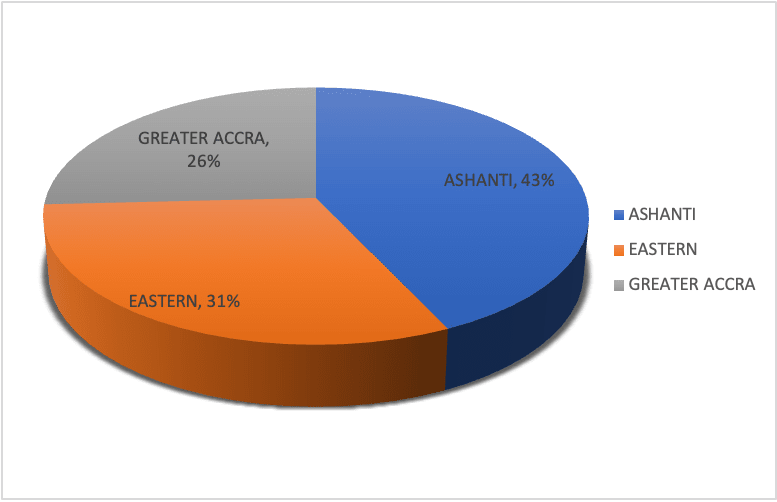
Regional Distribution of Farmers
There is a total of ninety-three (93) farmers signed unto Animal Welfare League’s national cage-free farmers’ network and below are the regional variations.
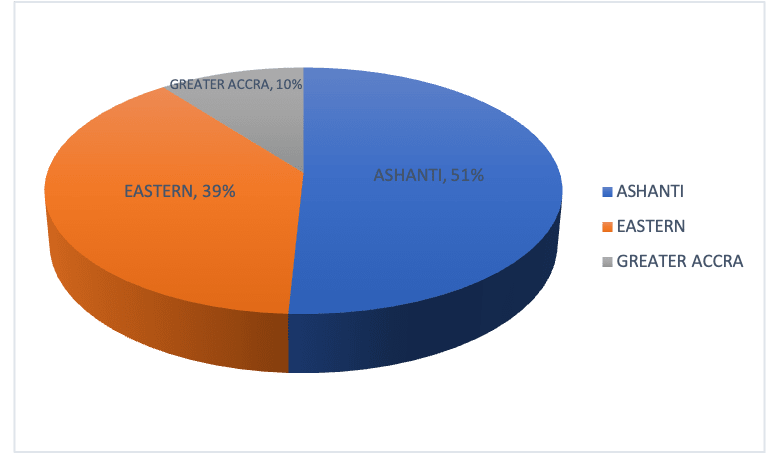
Regional Distribution of Layer Hens
The reported current production of the network is 369,110 hens, which is a sum of individual farm production. These layer hens are distributed across production regions as highlighted below.
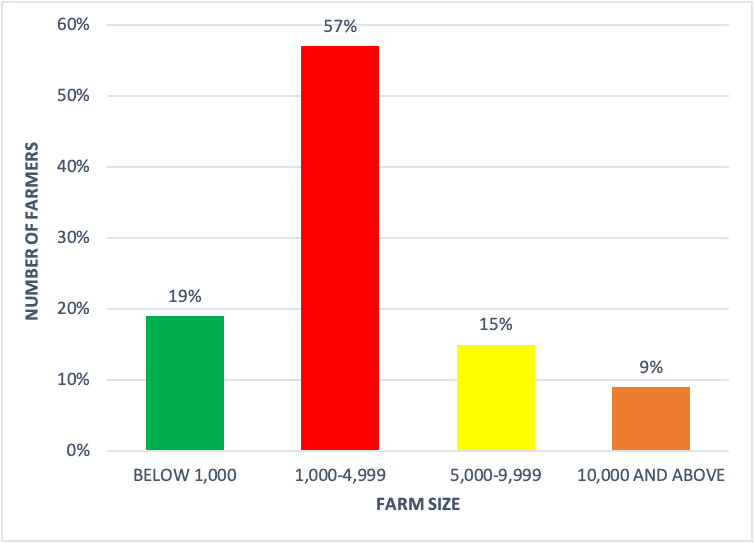
Categorization of Farm Size
The size of individual farms in the network varies in the number of hens and below is a display of these variations making up the network.



Great news! Thanks so much for this awesome work 🙂 I’d be interested to hear:
What convinced farmers to sign up?
How long is the expected timeline to full transition to cage free? Will this be supported by The Animal Welfare League?
Is the commitment legally enforceable? or is this more of an MOU (memorandum of understanding) style of agreement?
Do you have plans for monitoring farmer’s progression on the commitment? Do have any expectation on follow-through rates?
Hi @TomBill, these are really great questions. Below are some details that will hopefully give you some clarity on our work