I think the idea here is: can you engineer the situation so that you fail gracefully? If you have just experienced a catastrophic shock — rather than the whole system snapping and fracturing completely — can you cushion the fall slightly, or catch your fall, so you don’t regress too far before pulling yourself back up?
— Lewis Dartnell
What happens when civilisation faces its greatest tests?
This compilation brings together insights from researchers, defence experts, philosophers, and policymakers on humanity’s ability to survive and recover from catastrophic events. From nuclear winter and electromagnetic pulses to pandemics and climate disasters, we explore both the threats that could bring down modern civilisation and the practical solutions that could help us bounce back.
You’ll hear from:
Zach Weinersmith on how settling space won’t help with threats to civilisation anytime soon (unless AI gets crazy good) (from episode #187)
Luisa Rodriguez on what the world might look like after a global catastrophe, how we might lose critical knowledge, and how fast populations might rebound (#116)
David Denkenberger on disruptions to electricity and communications we should expect in a catastrophe, and his work researching low-cost, low-tech solutions to make sure everyone is fed no matter what (#50 and #117)
Lewis Dartnell on how we could recover without much coal or oil, and changes we could make today to make us more resilient to potential catastrophes (#131)
Andy Weber on how people in US defence circles think about nuclear winter, and the tech that could prevent catastrophic pandemics (#93)
Toby Ord on the many risks to our atmosphere, whether climate change and rogue AI could really threaten civilisation, and whether we could rebuild from a small surviving population (#72 and #219)
Mark Lynas on how likely it is that widespread famine from climate change leads to civilisational collapse (#85)
Kevin Esvelt on the human-caused pandemic scenarios that could bring down civilisation — and how AI could help bad actors succeed (#164)
Joan Rohlfing on why we need to worry about more than just nuclear winter (#125)
Annie Jacobsen on the rings of annihilation and electromagnetic pulses from nuclear blasts (#192)
Christian Ruhl on thoughtful philanthropy that funds “right of boom” interventions to prevent nuclear war from threatening civilisation (80k After Hours)
Athena Aktipis on whether society would go all Mad Max in the apocalypse, and the best ways to prepare for a catastrophe (#144)
Will MacAskill on why potatoes are so cool (#130 and #136)
Content editing: Katy Moore and Milo McGuire Audio engineering: Ben Cordell, Milo McGuire, Simon Monsour, and Dominic Armstrong Music: Ben Cordell Transcriptions and web: Katy Moore
Headline finding: I audited 17 AI Safety Talent programmes. Zero of 17 have published any comparison group, rejected-applicant follow-up, matched control or randomisation. Not one. Every programme that mentions a counterfactual does it by asking participants to self-report.
Background
At least $70 million...
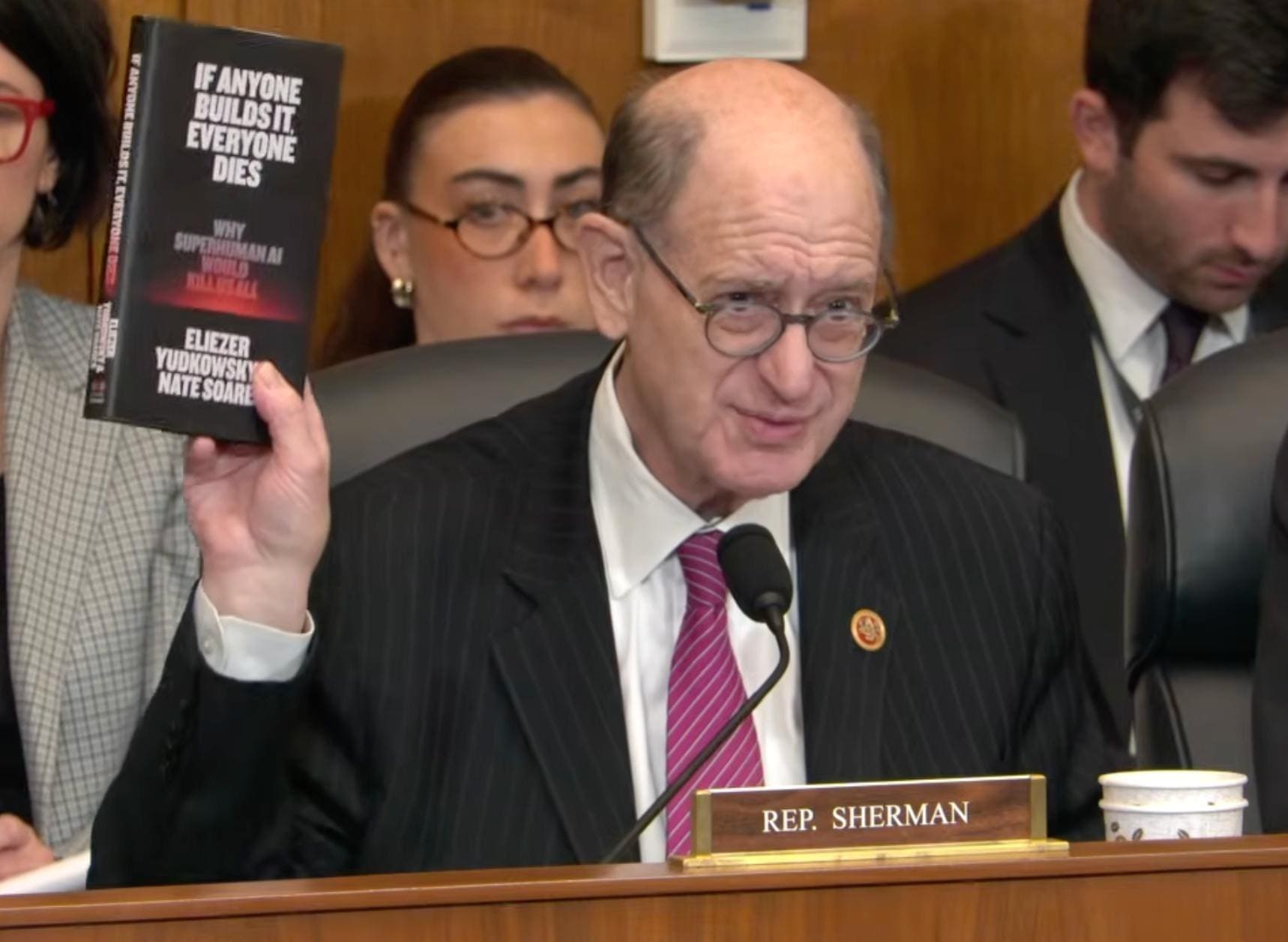
In celebration of still being alive and fighting, we are giving away 1,000 Amazon e-books of “If Anyone Builds It, Everyone Dies”. Feel free to send a copy to yourself, a loved one, or a friend—we need all hands on deck.
Today marks exactly one year since If Anyone Builds It, Everyone Dies: Why Superhuman AI Would Kill Us All, by Eliezer Yudkowsky and Nate Soare...
A year ago I posted that YCombinator (YC) companies didn’t seem to be growing faster since the release of ChatGPT in 2022. I reran that experiment and found that 2023+ YC companies are arguably growing a bit faster than pre-2023 companies (including AfterQuery, ...