Comments
Welcome to Alliance to Feed the Earth (ALLFED)’s 2026 Highlights, our annual reflection on how we advanced the organization’s mission, helping governments and other decision-makers strengthen the resilience of global food systems to catastrophic risks through research, policy, and practical action.
This year, ALLFED made significant progress on several fronts: strengthening our leadership and global team, publishing research and conducting pilots that continue to deepen the evidence base and expand the field of food-system resilience, and working with governments and partners to improve preparedness for global catastrophic food-system shocks. The sections below also highlight our public engagement, fundraising, and team.
We also refreshed our website to make our work easier to explore and clearer ways to engage.
As the year-end giving season approaches, we’ll share a call for support during Marginal Funding Week on the EA Forum, starting November 16. From December, gifts to ALLFED will be matched dollar for dollar until the $20,000 pool is reached. In the meantime, you can continue to support our work here.
ALLFED’s next chapter
New CEO: Yushuwa Nettles
In May 2026, Yushuwa Nettles joined ALLFED as CEO, bringing nearly 20 years of experience across diplomacy, international development, government and the private sector. His work has included serving as a U.S. diplomat, addressing political and human-rights issues in Kenya, and holding senior executive roles at USAID-supported programs in Tunisia, Libya and Iraq.
His experience is directly relevant to ALLFED’s mission, where food security is closely connected to governance, national security and social stability. Under Yushuwa’s leadership, we will continue advancing research on how catastrophic events could disrupt food systems, and the practical solutions that could keep food available for everyone, while strengthening the partnerships, systems and operational capacity needed to bring that work closer to governments, institutions and communities.
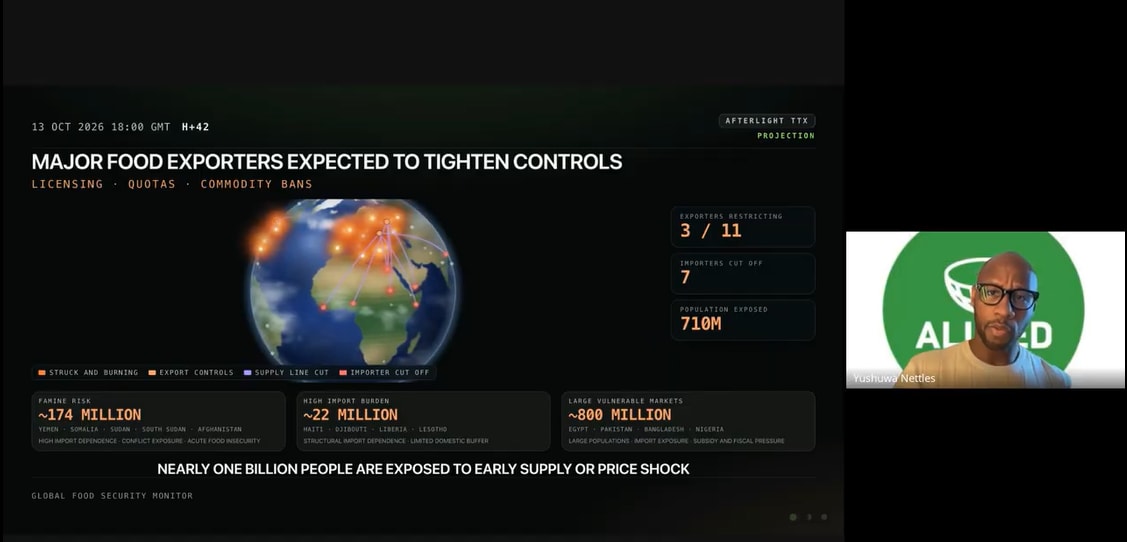
In line with this effort, Yushuwa and the team have developed ALLFED’s new tabletop exercises, which aim to put decision-makers inside global catastrophe scenarios to test how agencies could work together to keep food available to people around the world.
Reach out for a conversation, or to request a facilitated tabletop exercise tailored to your context.
Research: understanding risks and developing solutions
Research remains at the heart of ALLFED’s work. Despite working with a leaner team, our team produced eight new research submissions, bringing our total output to more than 80 publications and reports since ALLFED began. Some of the year's most notable work includes:
Leaf protein biorefineries could help provide food after a catastrophe
Our peer-reviewed paper, “Global potential of integrated biorefineries for leaf protein and sugar: Producing sustainable food and preventing starvation in catastrophes” was published in Sustainable Production and Consumption.
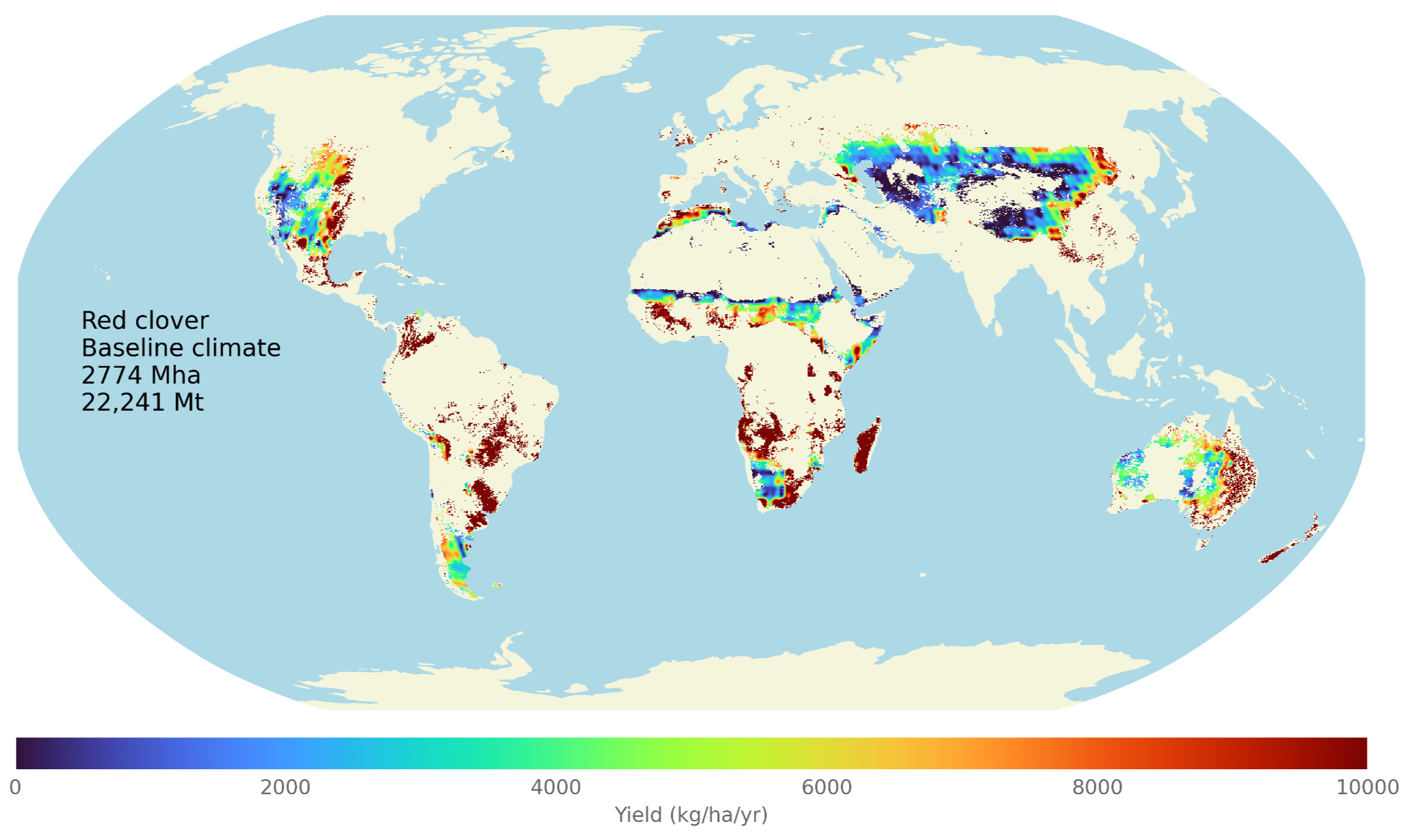
The research models leaf protein concentrate biorefineries as viable global food infrastructure: affordable to build, fast to scale and capable of sustaining protein supply even under extreme agricultural disruption.
Our research estimates that, with rapid deployment, factories producing leaf protein concentrate could meet global protein requirements within only one to two years. Production of both leaf protein and sugar could supply around 5% of global calorie needs in just one year. Because grasslands can support these crops (e.g. clover or alfalfa) even where conventional food crops are difficult to grow, they could provide an important source of food when conventional agriculture is severely disrupted. The modeling suggests that grassland-derived leaf protein could meet global protein needs even in extreme nuclear-winter scenarios, and food produced through these systems could cost a mere $1–2 per person per day to provide all daily energy needs.
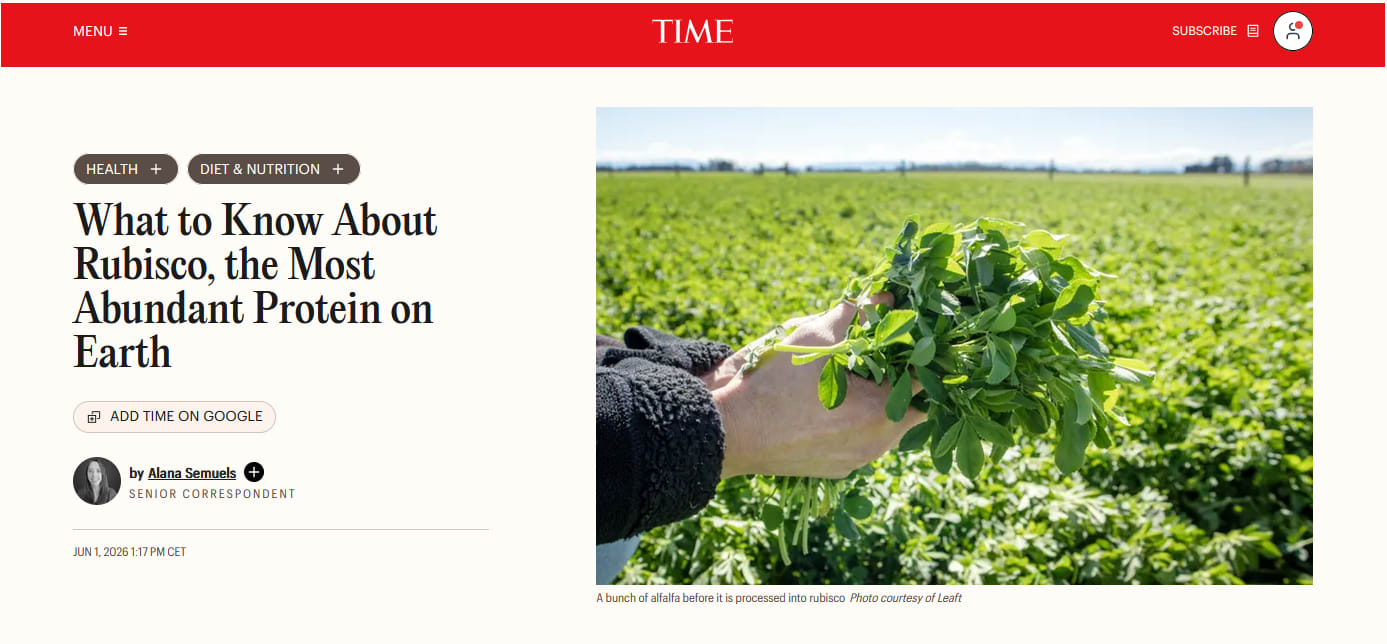
The paper generated media coverage across outlets, including Vegconomist, TIME, and Protein Production Technology, with the latter a profile of ALLFED Research Manager Juan García Martínez. Juan and Ross Milne, CEO of leaf protein company Leaft Foods, also co-wrote an op-ed on The Plant Base, examining what ALLFED’s LPC research findings mean for the protein industry today.
Research pending peer-review
Testing crops under simulated nuclear-winter conditions
Researcher Simon Blouin and his team, in collaboration with Penn State University, studied the viability of staple crops under the low-light and low-temperature conditions simulated for a post-nuclear war "nuclear winter." They used growth chambers to replicate both tropical and temperate environments to see if these crops could still produce food. Simon explains:
“This was the first study of its kind. Every assessment of how much food the world could grow during a nuclear winter has so far rested on crop models that were never tested under the conditions they're supposed to predict. Nobody had ever grown a staple crop, from seed to harvest, under simulated nuclear-winter light and temperature.
We grew wheat, canola, and potato for a full season in chambers reproducing what climate models predict for a tropical location (Indonesia) and a temperate location (South Australia) during the worst year of a worst-case nuclear winter.”
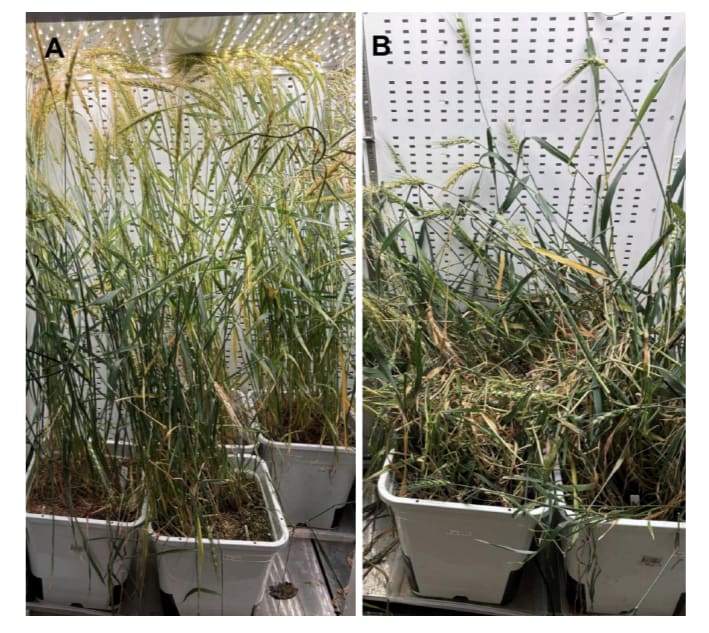
Pilot results showed viable tropical yields, while temperate stem collapse revealed a failure mode crop models miss, strengthening the case for scaling up experiments.
“The stem collapse we observed in the low-light temperate chamber was an unexpected and important finding. This is exactly the kind of finding we want in hand before a catastrophe, while there's still time to test more crops and identify which hold up. There are dozens of crops that should be screened in the same way; the results could shape how billions of people survive an abrupt sunlight reduction scenario.”
Read about the experiment, and support scaling up this critical research.
Food security and AMOC collapse
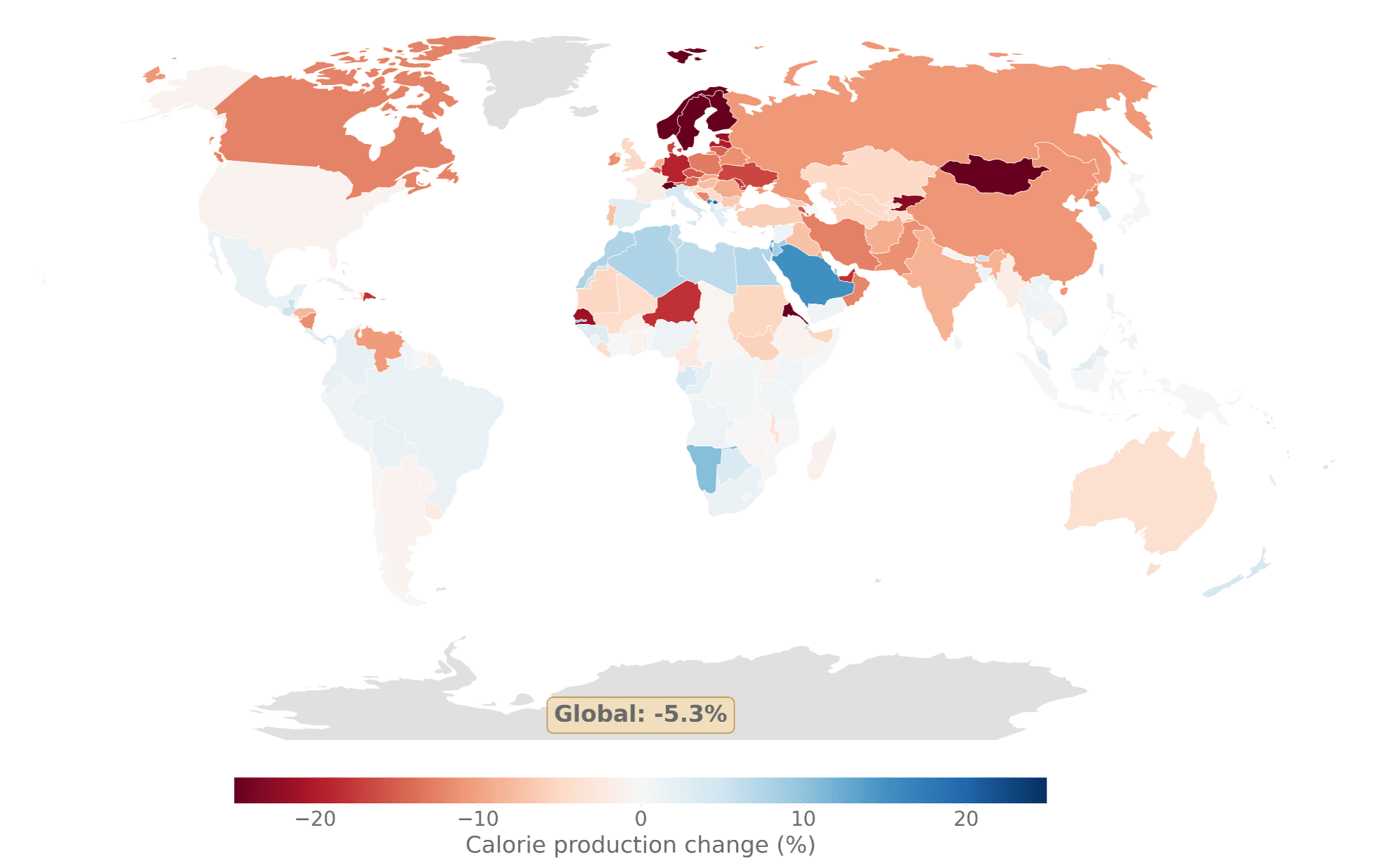
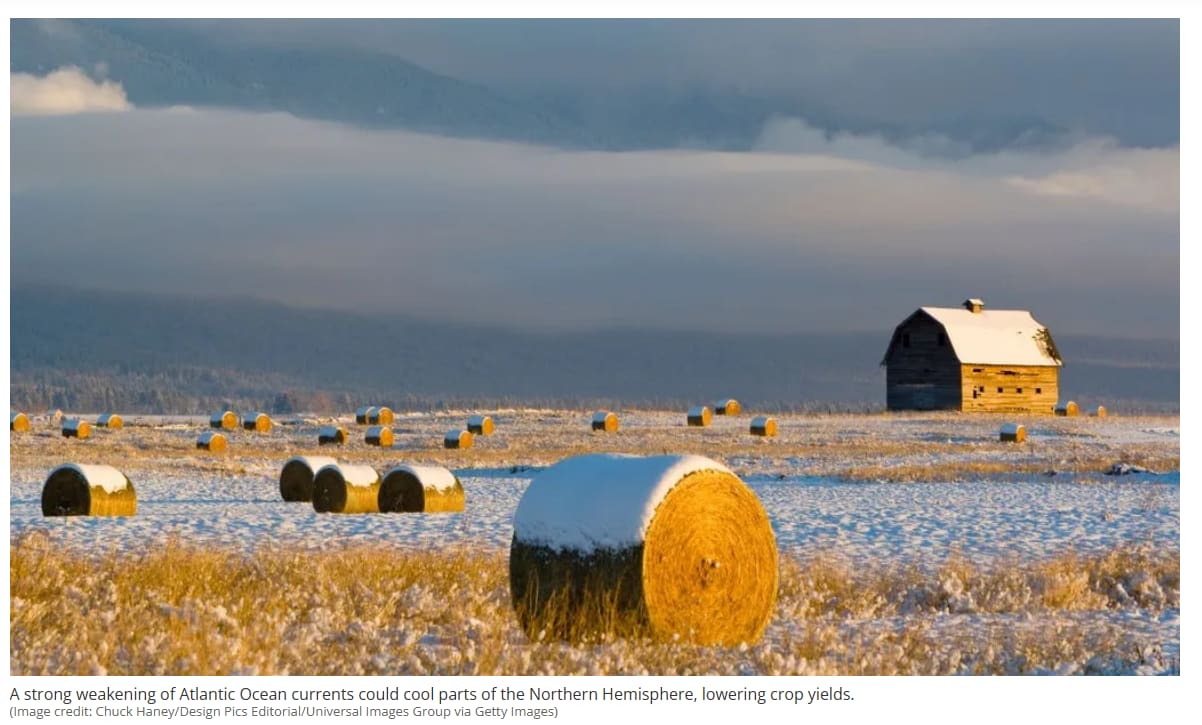
The Atlantic Meridional Overturning Circulation (AMOC) is a key ocean current that spans the Atlantic and plays an important role in regulating our current climate, with an impact well beyond the Atlantic itself. A substantial weakening or collapse could disrupt temperatures and rainfall patterns across the world, with serious consequences for agriculture. In our preprint paper, we carry out initial crop modeling on the impacts of an AMOC collapse.
The study finds that total wheat, maize, and rice yields worldwide would fall by 5.3%. However, there is a strong regional element to this, and yield losses would range from 12% to 19% across key countries like Canada, India and China. This would raise food prices by 17-40%, make the world more reliant on trade, and threaten nutritional access for some of the most vulnerable. This was the first study using a rigorous crop model for AMOC collapse, offering a more grounded assessment of its potentially serious agricultural impacts.
This research has received significant media attention, including coverage in Live Science, Popular Mechanics (syndicated in Yahoo News) as well as other high-traffic media outlets.
Our work is only the beginning. Support us as we investigate how climate change and food-system shifts could shape our exposure to AMOC collapse and the additional volatility and damage it could cause.
More research highlights from 2026
- “No Place to Hide? Regional Resilience and Vulnerability to Global Catastrophic Risk”: This peer-reviewed paper published in Global Challenges examines which countries are best able to withstand a global catastrophe. It concludes that no country is resilient to every threat, but Australia performs strongly across many scenarios. The research received considerable mainstream media coverage, including from ABC Australia, The New Daily, and the UK newspaper The Times. The work helps the public understand a wider range of catastrophes and shows that strengthening regional resilience requires investment in food-systems, critical infrastructure, and coordinated trade.
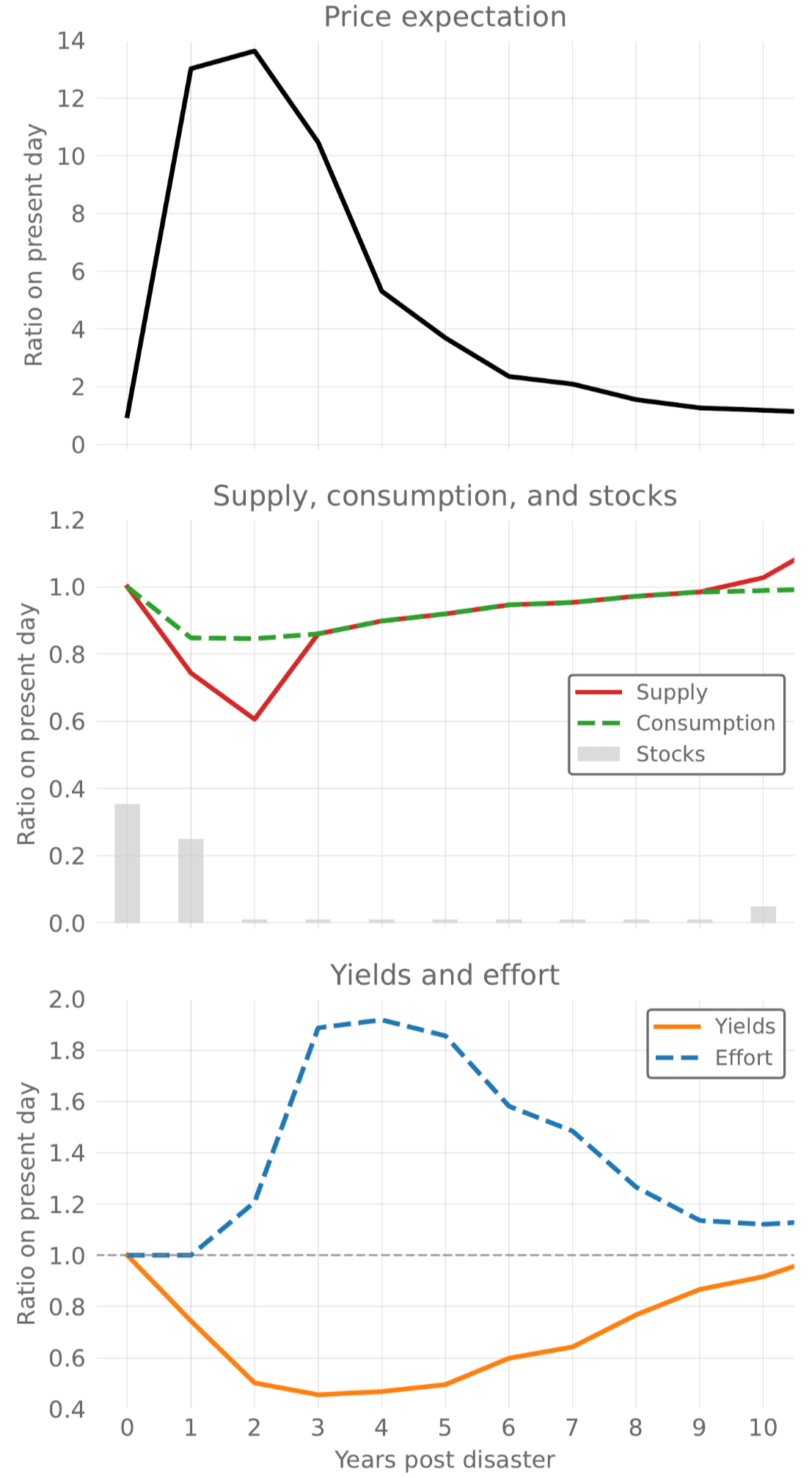
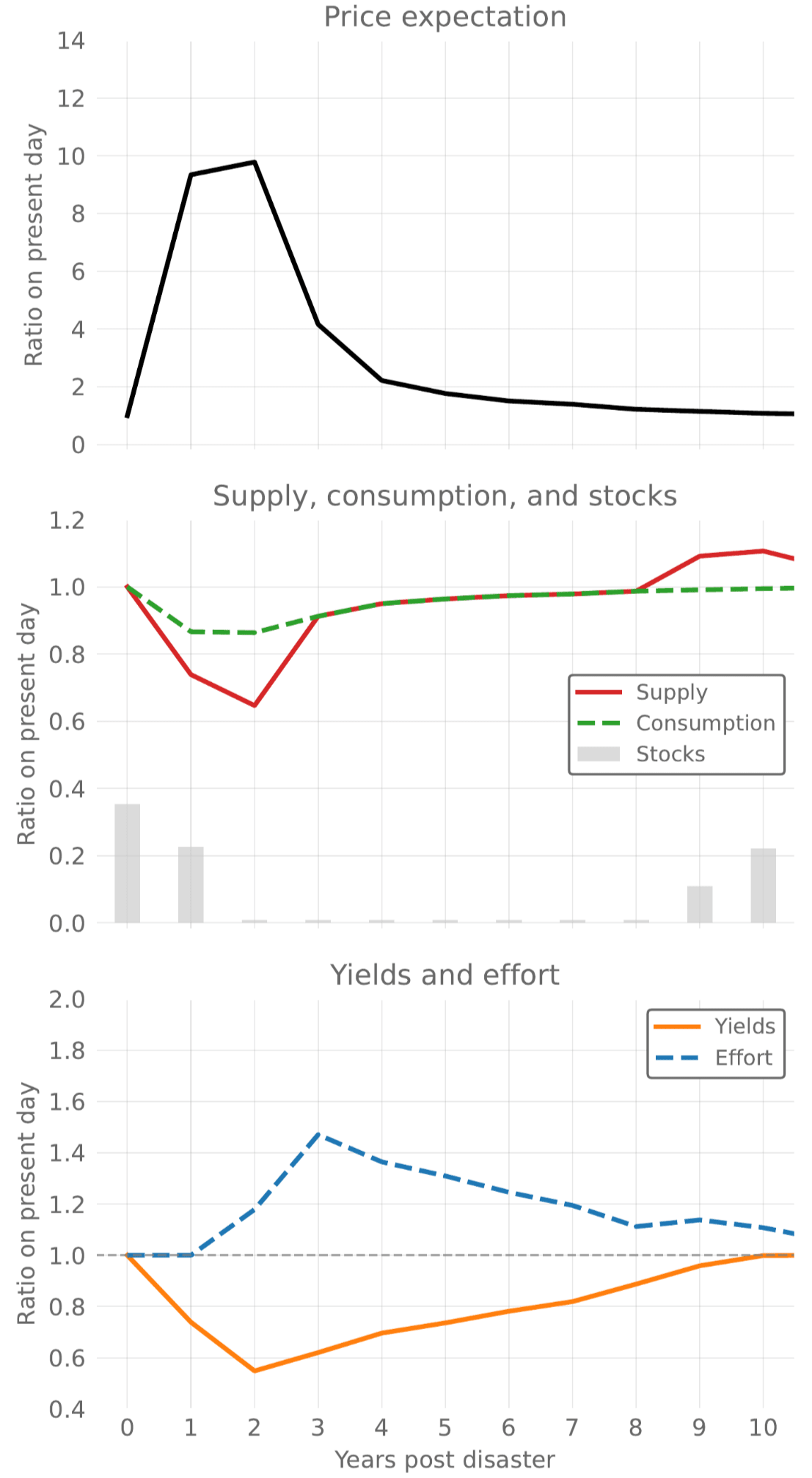
- “Calculating equilibrium cereal prices during a multi-year productivity shock”: Models how global cereal markets would respond to a protracted agricultural productivity shock to better understand how economic incentives and policy responses could reduce the impact. The modeling finds that cereal prices could rise more than tenfold in some scenarios, with accurate forecasting of the shock's severity emerging as a critical factor in minimizing harm to low-income populations worldwide.
| Xia et al 2022 yield scenario - no adaptation to yields | Blouin et al 2025 yield scenario - yield adaptation occurs |
 |
|
Expected impact of a scenario with 47 Tg (million tonnes) of soot injected into the stratosphere (large nuclear war) on global cereal prices, supply, consumption, yields, stocks and effort. Left: equilibrium under current planting patterns. Right: crop relocation and adaptations to raise yields. Year 0 is the pre-event baseline; nuclear winter begins in May of year 1. | |
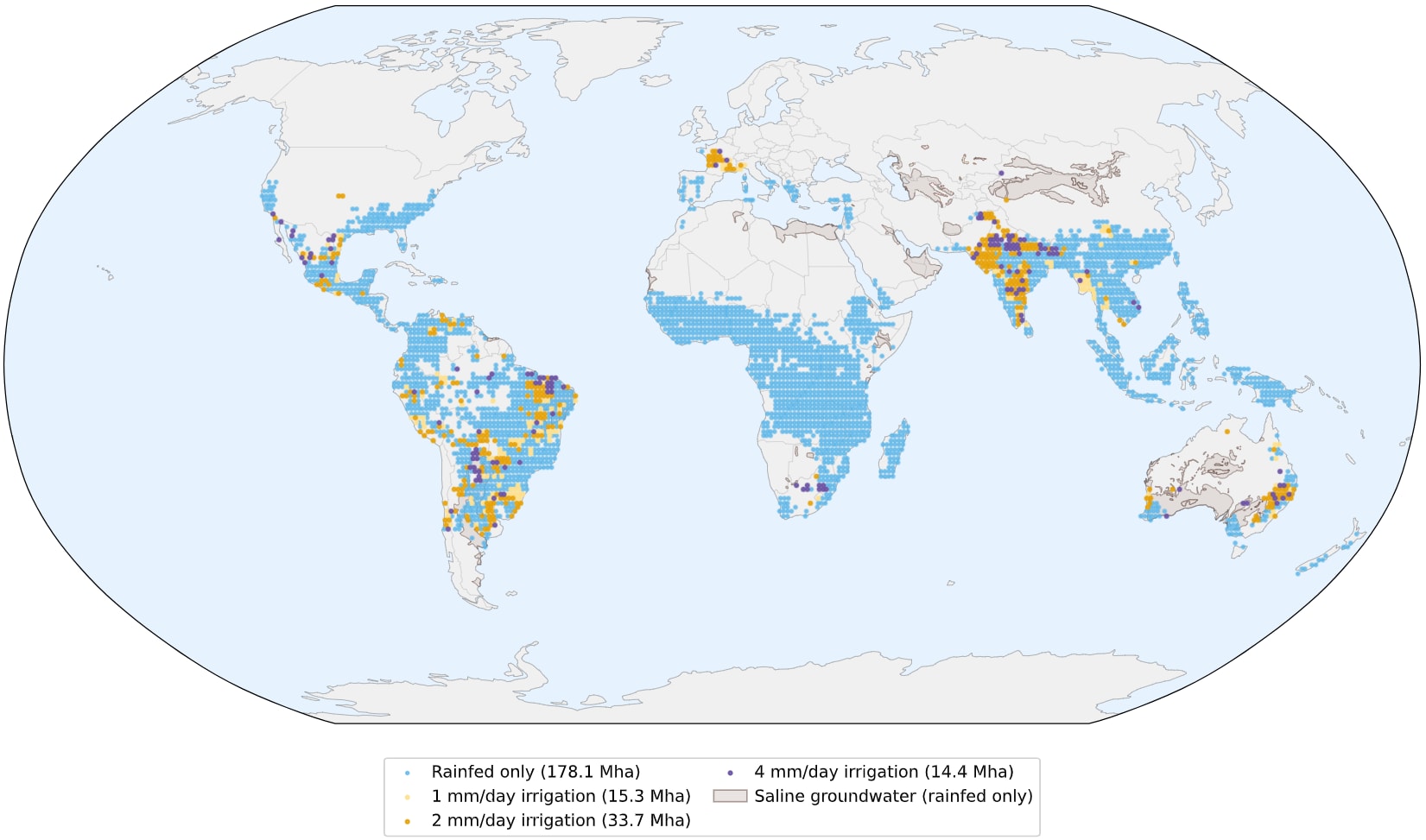
- “Scaling up irrigation for food-system resilience under abrupt sunlight reduction”: Analyzes how expanded groundwater irrigation, combined with cropland expansion, could help offset agricultural losses under an abrupt sunlight-reduction scenario.
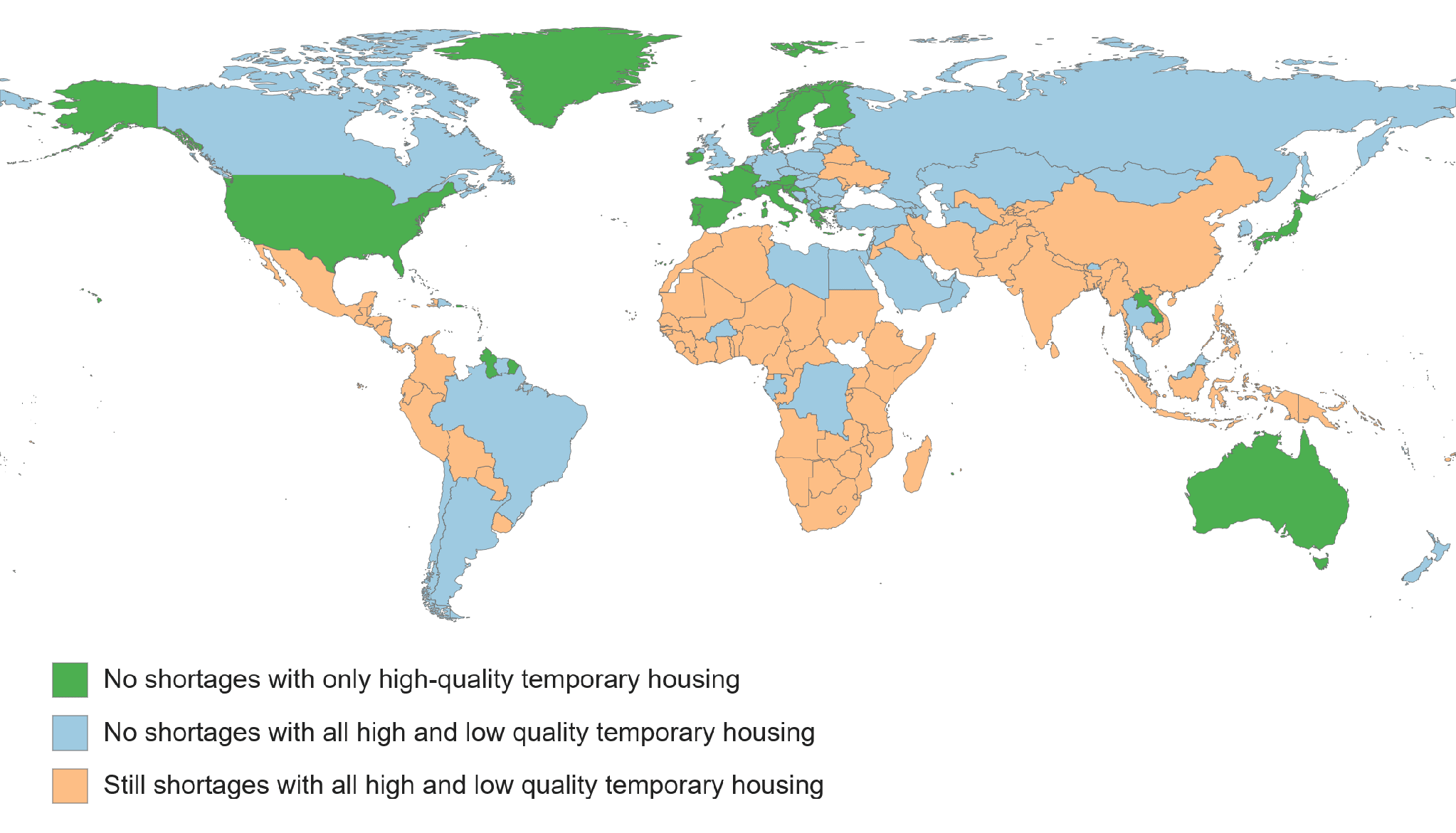
- “Assessment of temporary housing for on-site isolation of essential workers during extreme pandemics”: Assesses whether hotels, trailers, converted vans, etc. could provide temporary accommodation for workers needed to maintain critical services given that, in a severe pandemic, the people keeping power, water and food running may need to live at work. The study finds that pooling resources worldwide could house most workers, but nearly half of countries could not do so independently.
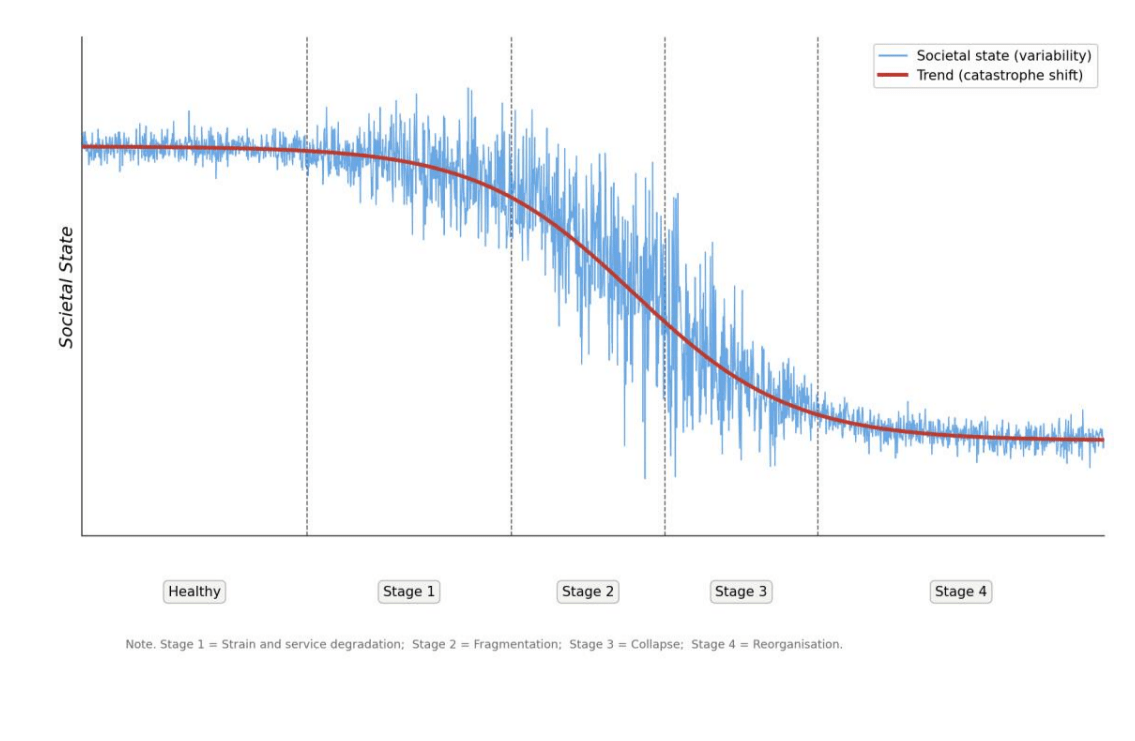
- “Psychological Demand of Catastrophic Risk: A Framework for Mental and Behavioural Resilience Under Systemic Disruption”: Builds a novel framework mapping how stressors degrade psychological functioning across four collapse substages, arguing that psychological capacity is a structural prerequisite for societal stability.
- “The largest crop production shocks: magnitude, causes and frequency” was selected as a Highlight Paper by Earth System Dynamics, the editors acknowledging that the work shows massive crop failures—averaging nearly 30% and sometimes reaching 80%—that have already happened repeatedly in the real world. The work also featured as an EGU (European Geosciences Union) Journals highlight in February.
Policy and preparedness
Alongside our research, we continued working with governments, organizations and other partners to turn food-system resilience into practical preparedness. 2026 Policy highlights include:
Contributing to UN thinking on nuclear war and food resilience
In December 2025, ALLFED collaborator Florian Ulrich Jehn presented ALLFED’s work to the United Nations Independent Scientific Panel on the Effects of Nuclear War, outlining potential impacts on global food systems and ways to strengthen resilience. At the Panel’s request, he submitted a formal written contribution in January 2026.
ALLFED Head of Policy Noah Wescombe also presented to the UN Independent Scientific Panel on the Effects of Nuclear War, delivering his presentation in person in Bangkok in October.
U.S.: Emergency flexibility in biofuel policy
Through ALLFED’s U.S. Biofuels Engagement Program, we are building a coalition of partners from trade associations and corporate government affairs teams, through to federal agencies to build support for emergency flexibility in renewable fuel policy.
The legal and administrative pathways exist—the US Environmental Protection Agency has broad authority under the Clean Air Act to waive or reduce renewable fuel obligations. The challenge is building the political support to use them when food security is at stake. ALLFED’s strategy is to build a coalition of partners with genuine food security exposure who would advocate for emergency flexibility if conditions warranted it.
Brazil: Protecting progress on hunger
We developed a policy brief for Brazilian policymakers, “Protecting Brazil's Hunger Gains Against Climate and Food-System Shocks.”
Brazil left the FAO Hunger Map in 2025, an important achievement. But progress on hunger could be threatened by climate-related shocks, including floods, droughts and extreme heat.
Our central message is that protecting progress on hunger requires making food systems more resilient before a crisis occurs, and the brief recommends strengthening social protection, family farming, public procurement, urban climate adaptation and decentralized food reserves. It also considers how Brazil's agricultural and bioeconomy sectors, including sugarcane fermentation, could contribute to resilience in severe scenarios.
ALLFED Australia: Growing Rural Resilience
Our sister organization ALLFED Australia is bringing ALLFED’s mission to life through the Growing Rural Resilience project, a two-year pilot in the Wimmera region. The project is supported by the Australian Government’s National Emergency Management Agency (NEMA) through the Disaster Ready Fund and philanthropic sources such as Coefficient Giving, and delivered by ALLFED Australia in partnership with ALLFED Institute, Plant Health Australia, 3EC Consulting, and the Long Game Project.
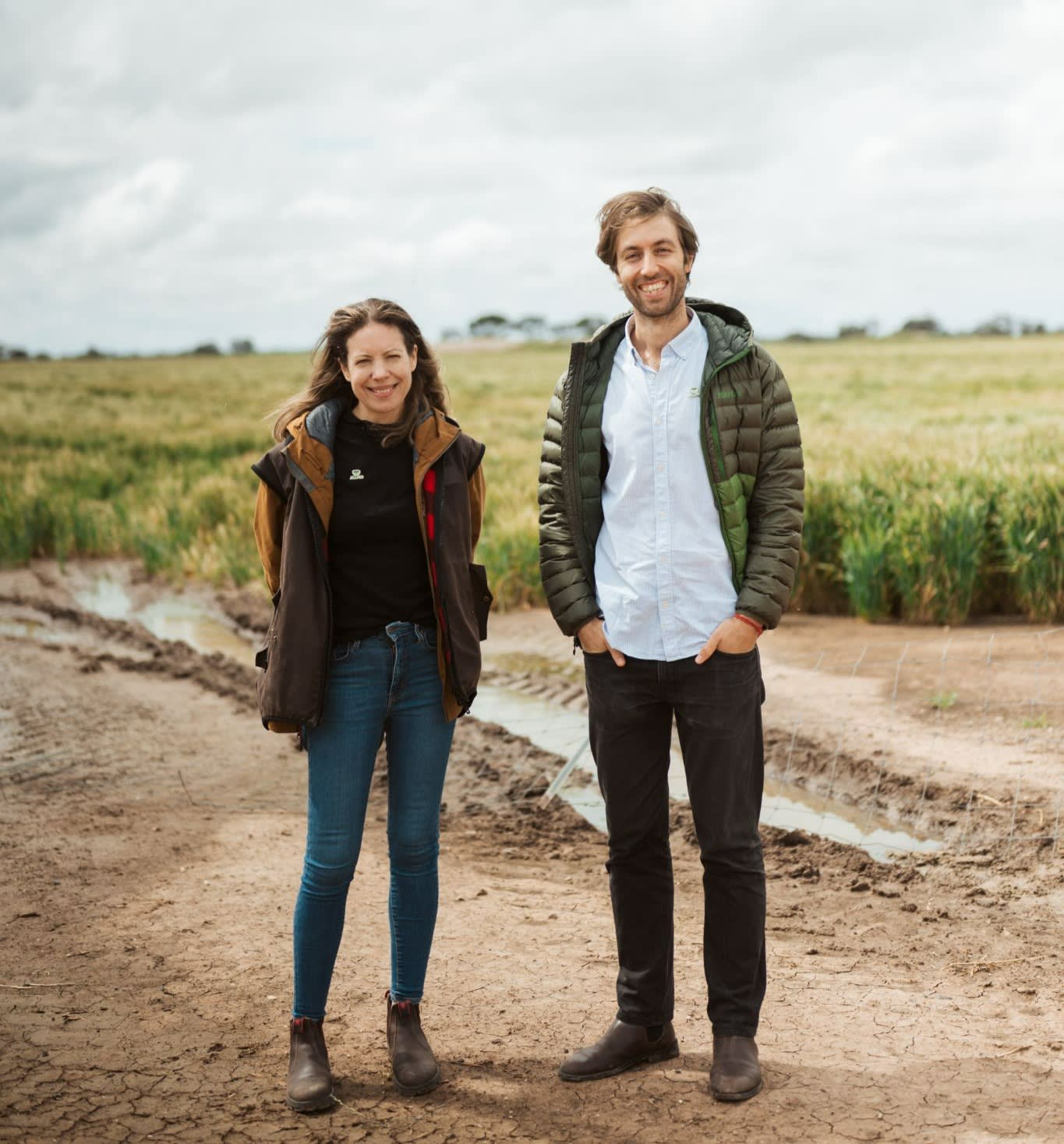
The project uses scenario-based planning to help agricultural producers and regional institutions prepare for cascading and compounding disasters, bringing together stakeholders whose responsibilities often span different government departments, industries and local organizations.
The project has already involved a workshop with 13 farmers, tours of local farms and interviews with growers to document operational constraints in dryland cropping systems during severe stress events, such as the conflict in Iran and resulting fuel, production and trade disruptions. Next, cross-sector representatives will explore how the region could respond to major disruptions, as well as test a key question: Can resilience strategies be understood, adopted and acted on across the entire agricultural value chain?
Public engagement highlights
More coverage of ALLFED’s work
- Forbes Sustainability featured ALLFED’s 2025 paper on pandemic risk in “Preparing For The Next Pandemic,” noting that “it was awarded ‘Best Paper’ last year for laying out where preparing for a pandemic is most important.”
- Florian Jehn’s article, “How nuclear war would impact the global food system. And how to prepare for it” was featured in the Bulletin of the Atomic Scientists’ “Nuclear winter: Why study it now?” series. It highlights practical measures to strengthen food system resilience and prevent catastrophic food shortages in the event of nuclear war.
- NHK Documentary: ALLFED is set to feature in a documentary series produced by NHK World, the national broadcaster in Japan. It will explore the scenario of a comet collision with Japan, and the work of organizations like ALLFED to build resilience to these types of catastrophic events. Scheduled for release in early 2027 in Japan (with a future U.S. release date later in 2027), this is an important opportunity to help educate the public about global catastrophic risks.
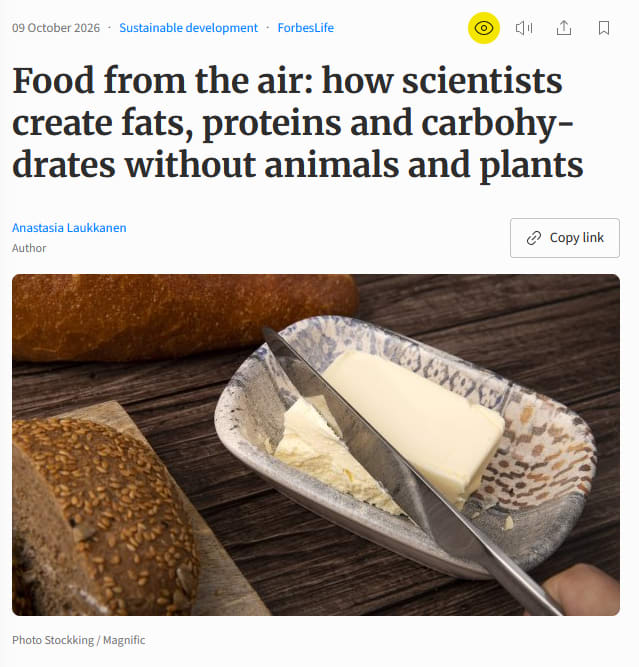
- Food from the air: ALLFED was featured in Forbes Russia, in an article exploring how scientists can produce fats, proteins and carbohydrates without relying on conventional plants or animals—and the potential of novel food technologies for strengthening food-system resilience.
- Preparing for extreme weather: ALLFED Senior Economist Michael Hinge spoke to Live Science about the potential food-security implications of a strong El Niño, including how extreme weather could affect food supplies and why households may need to consider preparedness.
- Feeding the world in catastrophe: David was featured on RNZ’s Our Changing World podcast as well as their Raising the Bar lecture series, both opportunities to amplify ALLFED’s work to a broader audience.
Events Highlights
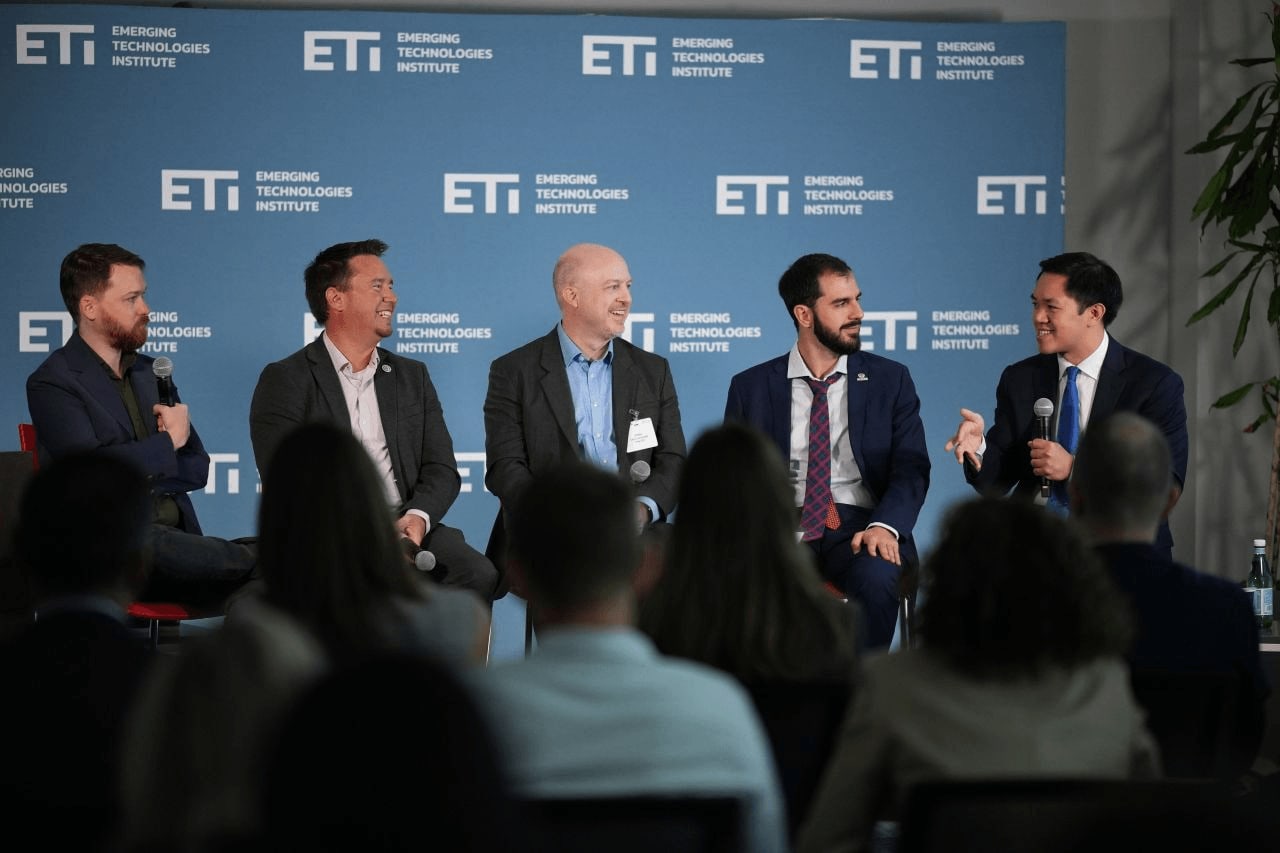
- Research Manager Juan García Martínez presented at Food Biomanufacturing for National Security in June, a joint symposium by GFI-ETI, followed by a congressional reception at the U.S. Capitol. The event focused on how food-grade biomanufacturing infrastructure can serve national security needs, connecting to ALLFED’s work demonstrating how existing infrastructure can be leveraged to feed people in a catastrophe.
- ALLFED Co-founder and Research Director David Denkenberger spoke at NASA Ames Research Centre in California’s Silicon Valley about resilient food systems for space missions and presented at the EA chapter of the University of California, Berkeley. He also supported Head of Policy Noah Wescombe’s Extreme Pandemic Resilience workshop at EAGx San Francisco.
- Juan and Florian presented at the World Adaptation Forum 2026 in April, an event focused on systemic risk, societal collapse and adaptation, and both interviews are featured on the event’s YouTube channel.
- David, Luisa Lopes Monteiro, Pinkeshkumar Attarwala, and Mohammadreza Ebrahimnataj Tiji took part in an informal presentation to Islands for the Future of Humanity in Christchurch, New Zealand, discussing ALLFED’s work on food-system resilience.
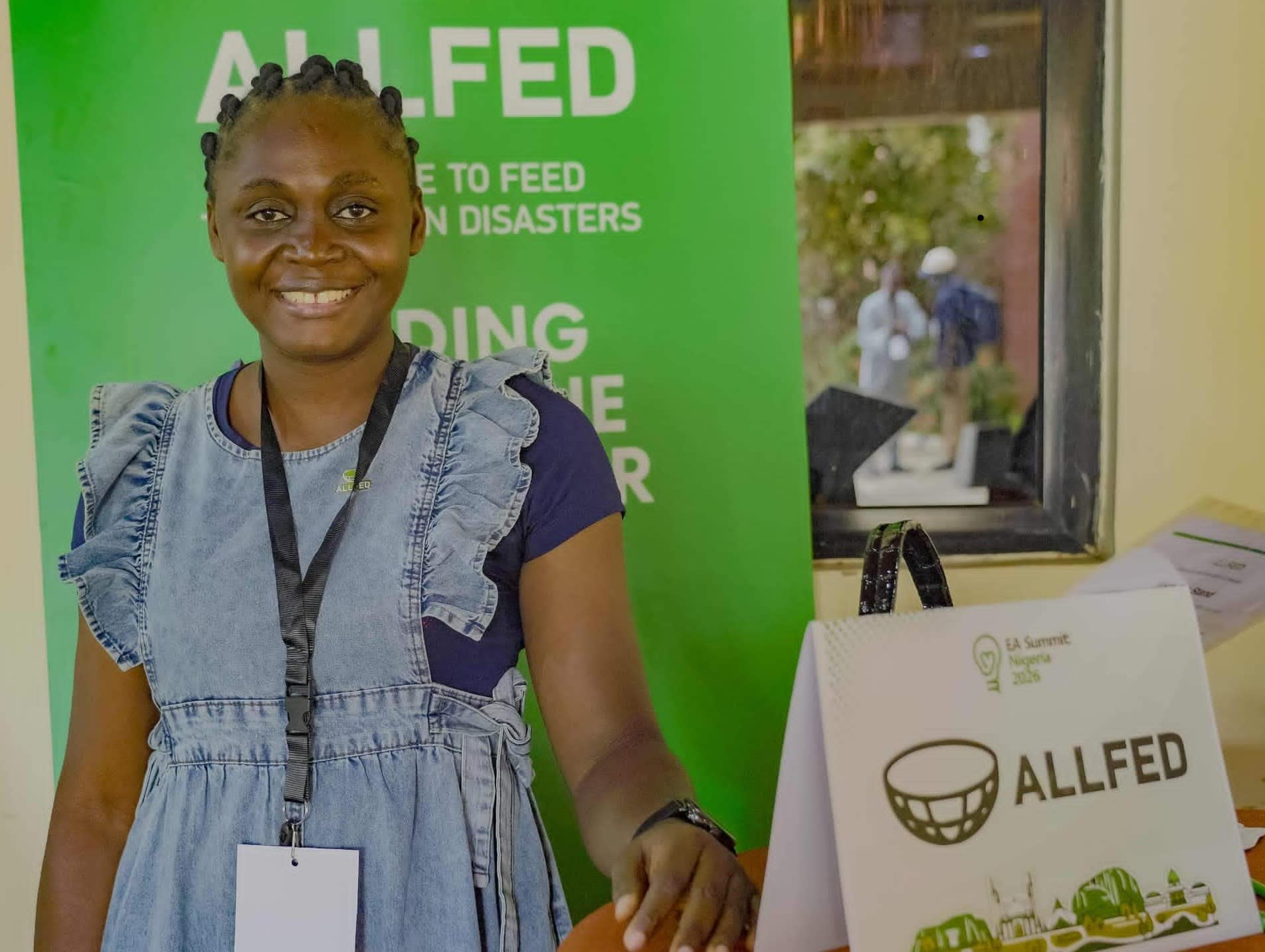
- At EAG London in May, Sonia Cassidy, Mike Hinge, and Amanda Cassidy welcomed visitors to our stall and shared more about ALLFED’s work. Dorine Ukah, a key member of our team in Africa, represented ALLFED at the EA Summit Nigeria in July.
- David presented at the EA Summit Wellington, New Zealand in September, leading two workshops. He also gave three talks at Western University, Ontario, Canada, increasing exposure to ALLFED research as well as organization recognition and opportunities for collaboration.
- Research Manager Juan García Martínez also presented ALLFED’s CO₂-to-food research at the Gordon Research Conference: Future Foods, on emerging ways to make food much more efficiently than photosynthesis.
- UPCOMING: David and Pinkesh will present at EAGx Australasia in Melbourne, 27 to 29 November. If you’re planning to be there, we encourage you to connect with them!
Fundraising
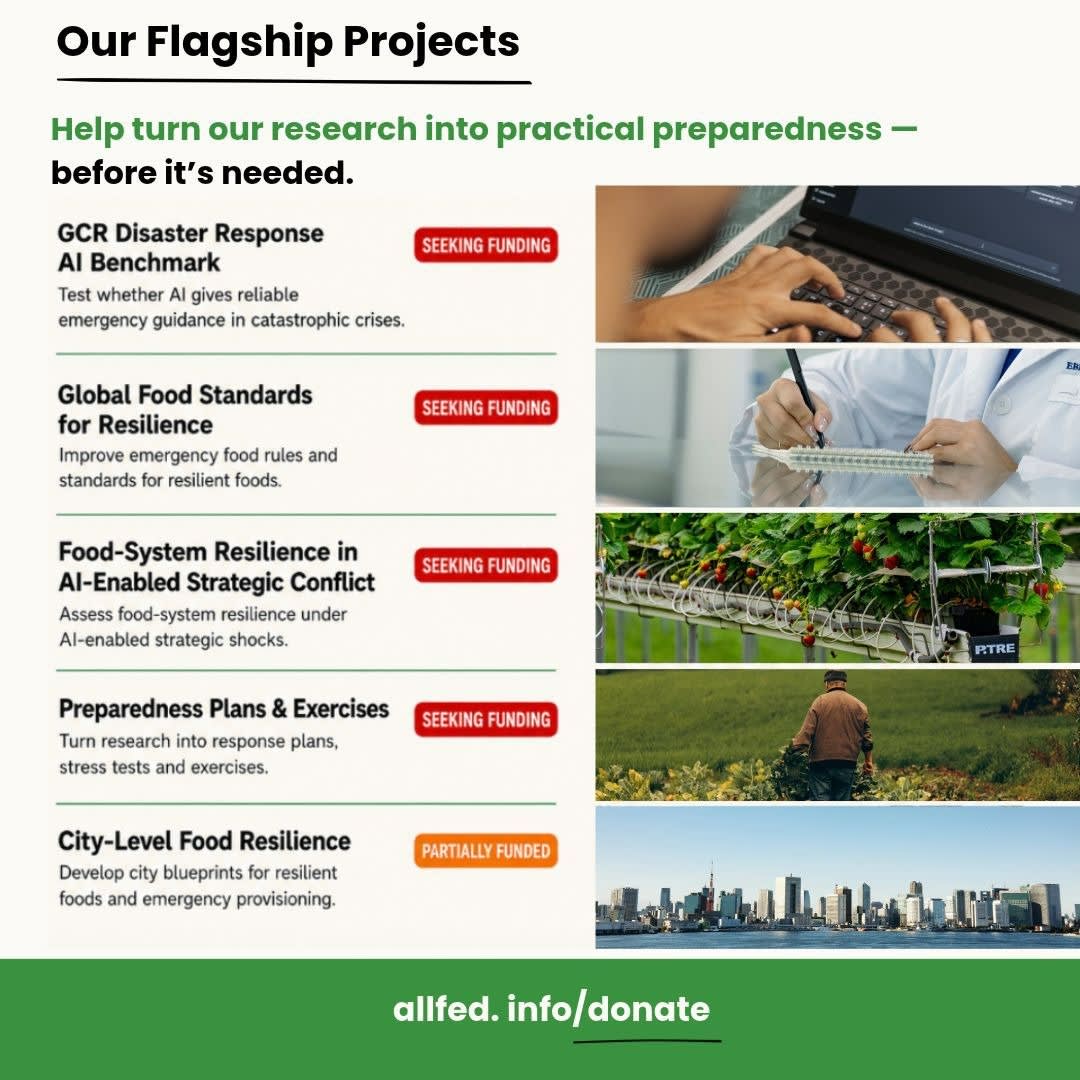
In 2026, ALLFED continued building a more structured approach to fundraising, increased direct engagement with supporters, and developed a Fundraising Priorities Portfolio to give prospective donors a clearer picture of ALLFED’s room for more funding, including priority research and implementation projects that additional support could advance.
Building on our 2025 year-end matching campaign, which raised nearly $50,000, we are preparing a broader year-end fundraising effort, kicking off with the Effective Altruism Forum’s Marginal Funding Week commencing Monday 16 November. This will be followed by our 2026 Match Opportunity, where all gifts will be matched dollar for dollar until the $20,000 matching pool is reached. Plus, of course, stay tuned for our Giving Tuesday and year-end giving campaigns.
There are many ways that you can continue to support our work here, and your generosity is sincerely appreciated. These efforts are helping build the relationships and fundraising capacity needed to support ALLFED’s longer-term research and preparedness work.
Our Team
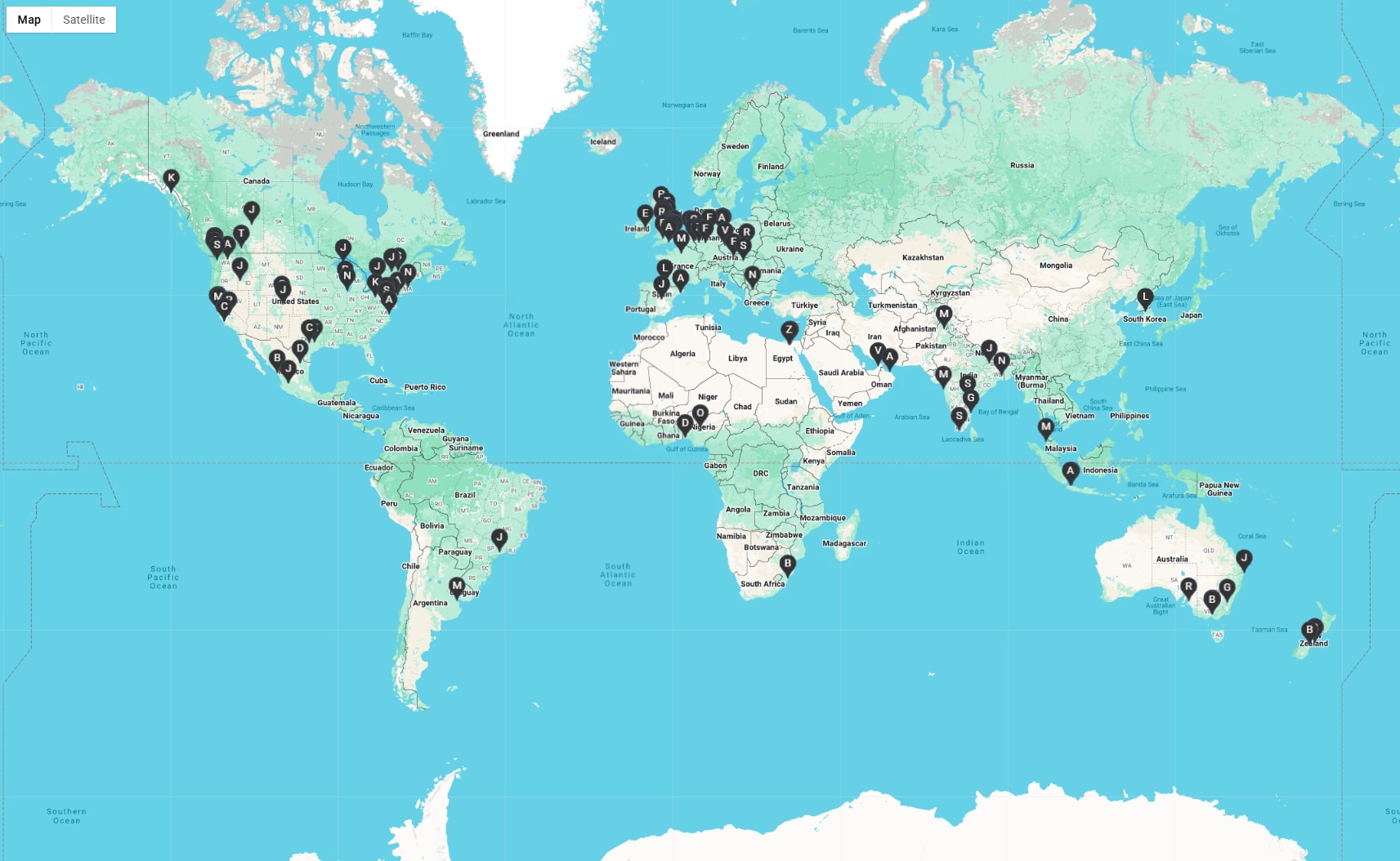
As of October 2026, our team currently spans nearly 30 countries around the world, and once again across all continents except Antarctica.
We are pleased to have welcomed Dr. Avianto Amri (senior research fellow of the Resilience Development Initiative and chairperson of the Indonesian Society for Disaster Management) and Dr. Catherine Rhodes (previously executive director of the Cambridge Centre for the Study of Existential Risk) as new Board of Advisors members.
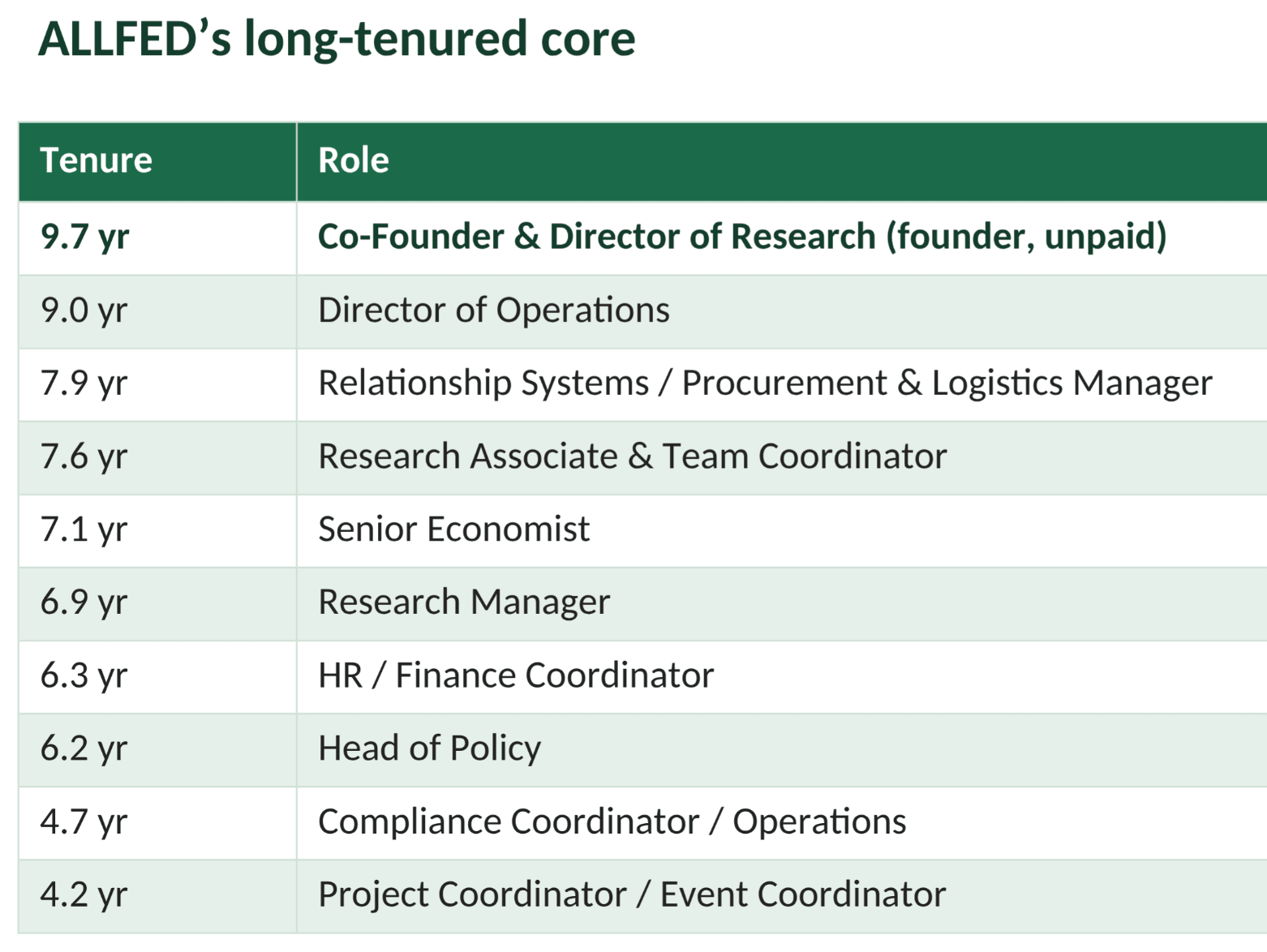
The past few years have tested ALLFED: like many organizations, we scaled back amid a volatile funding landscape, while retaining room for more funding. We have kept most of our experienced core team and preserved institutional knowledge. More than half of our founding team remain, around 40% of paid team members have been here for 5+ years, and our operational core has held together for nearly a decade.
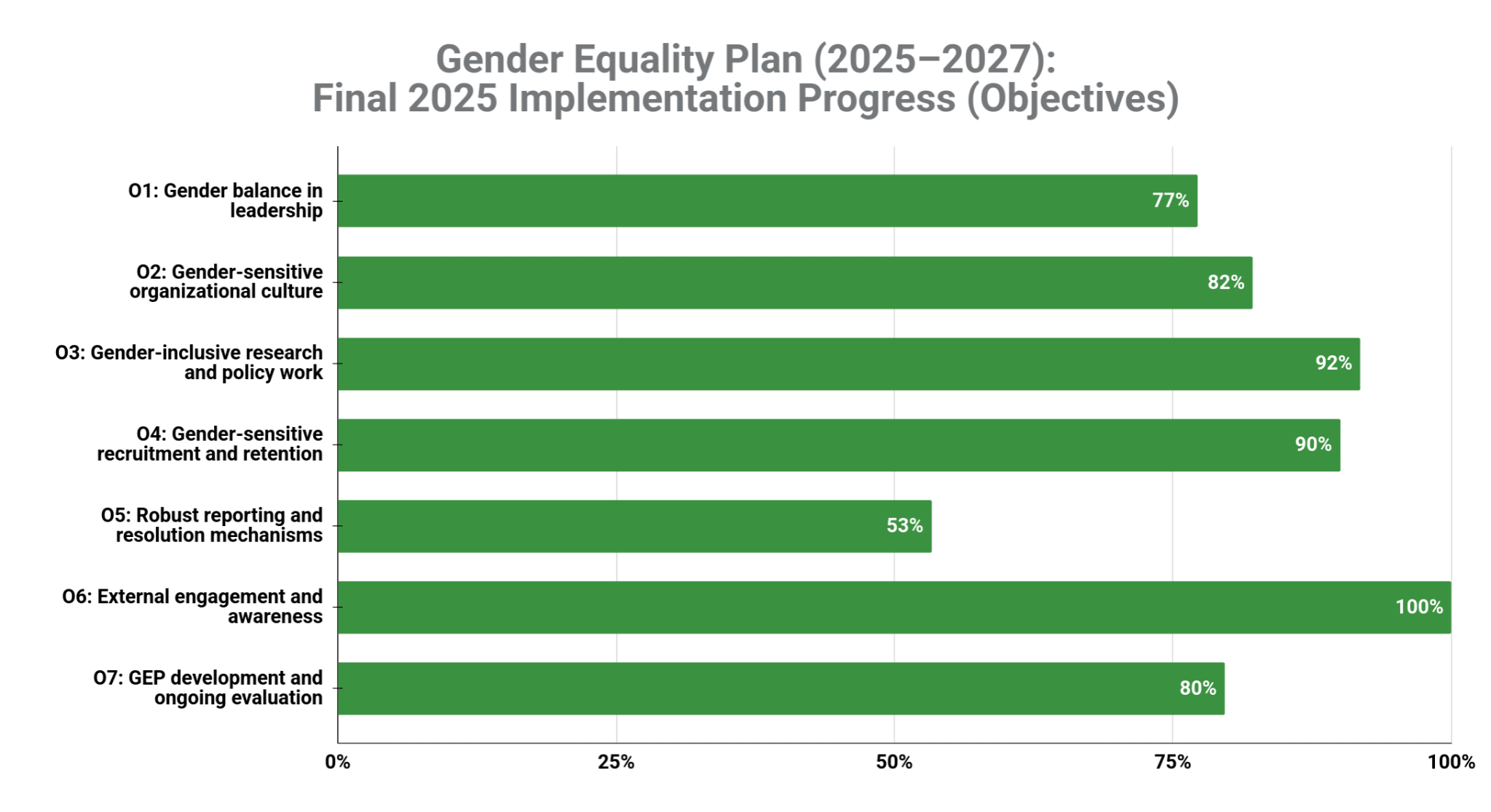
We also completed the first year of ALLFED’s two-year Gender Equality Plan (GEP) in April, an important step in improving diversity and strengthening the organization in order to better serve its mission.
Thank you
This year’s progress has been a collective effort, and we’re grateful to our team members, volunteers, partners, supporters, and donors who make it possible, and for the time, expertise, and commitment they’ve brought to this work. Thank you to everyone who contributed to ALLFED’s progress this year.
Your support helps us work with governments and other decision-makers to strengthen the resilience of global food systems to catastrophic risks. Through research, policy, and practical action, we help build preparedness before a catastrophe and safeguard food access if one occurs.
Support ALLFED here6